Sunday, 28 September 2014

El Salvador - Santa Ana

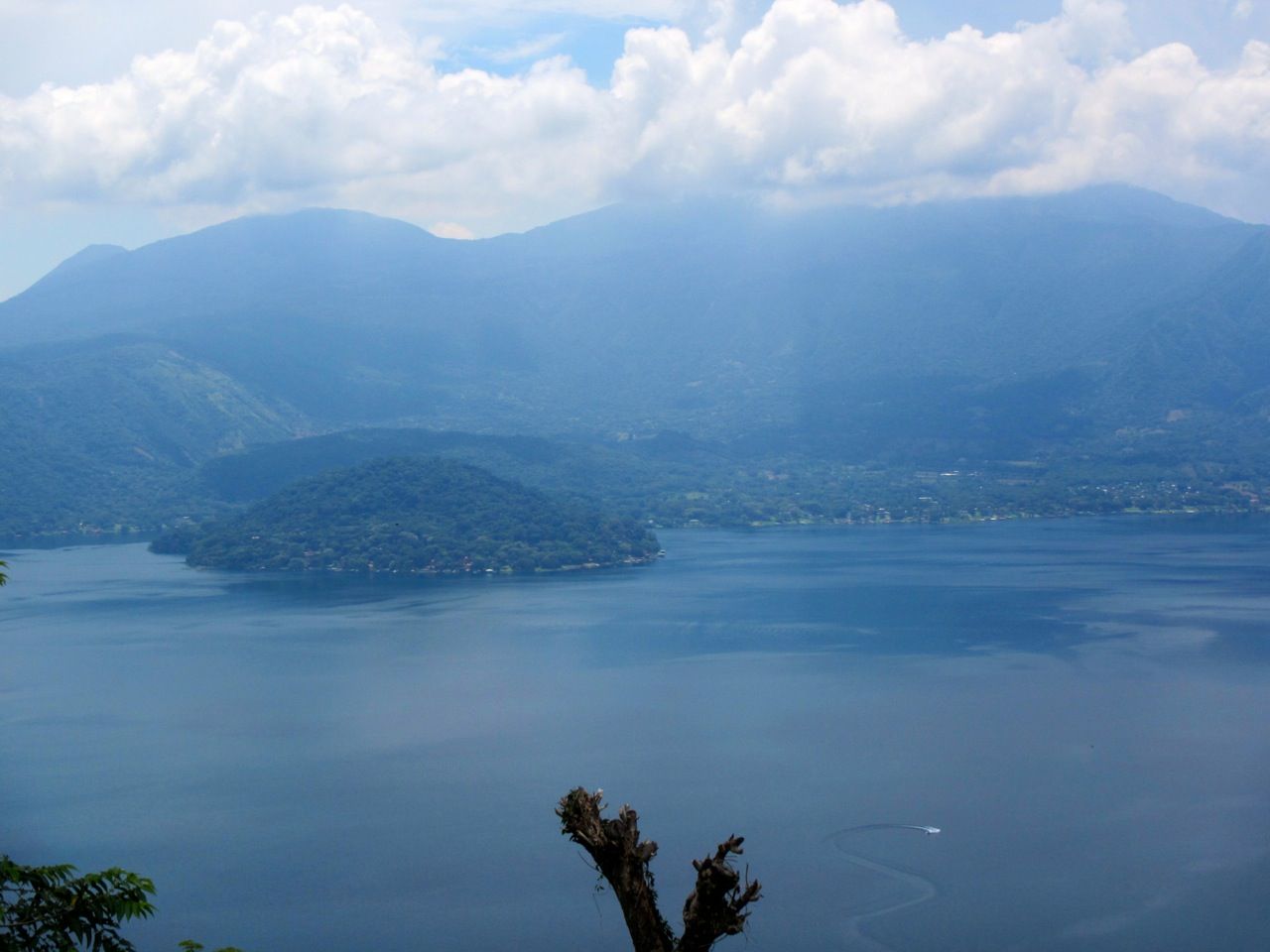
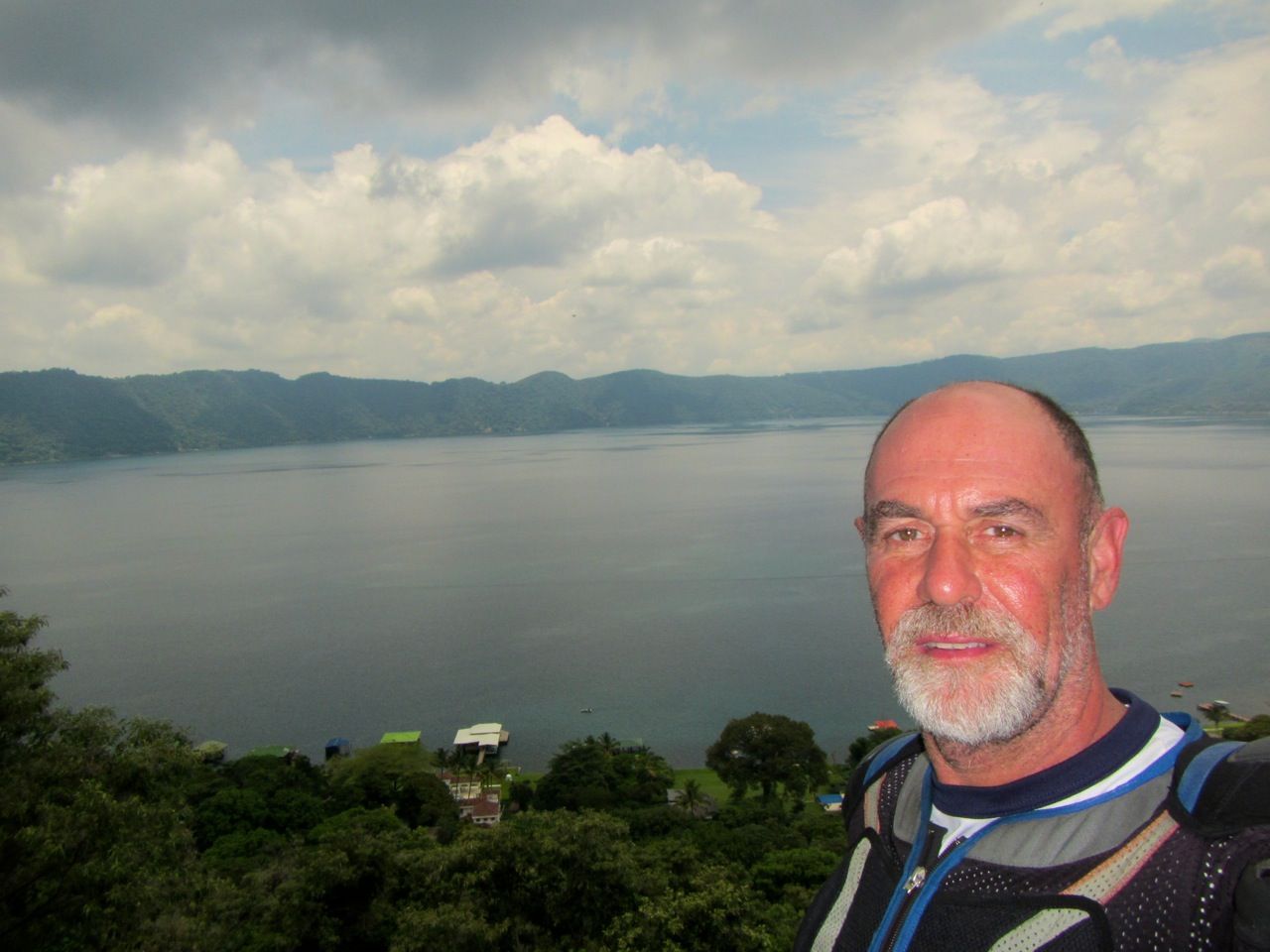
It was getting towards the end of the week and I wanted to meet up with some BMW riders from Santa Ana (El Salvador) who I had met in Guatemala. I rode away from the coast and headed into the mountains and back to the west. I took the opportunity to check out Lake Coatepeque, another stunning volcanic lake with volcanoes in the background. 
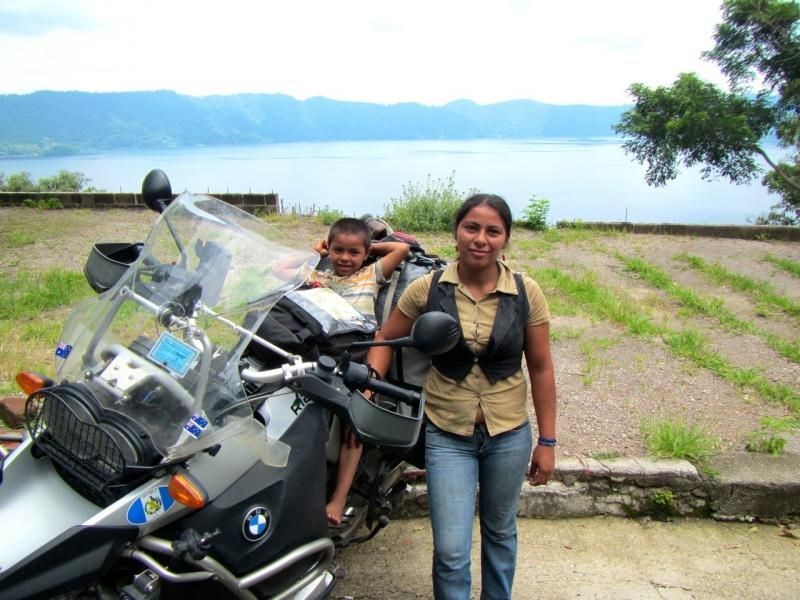
I went for a ride around the lake then up to the hills around it, meeting some locals along the way. 
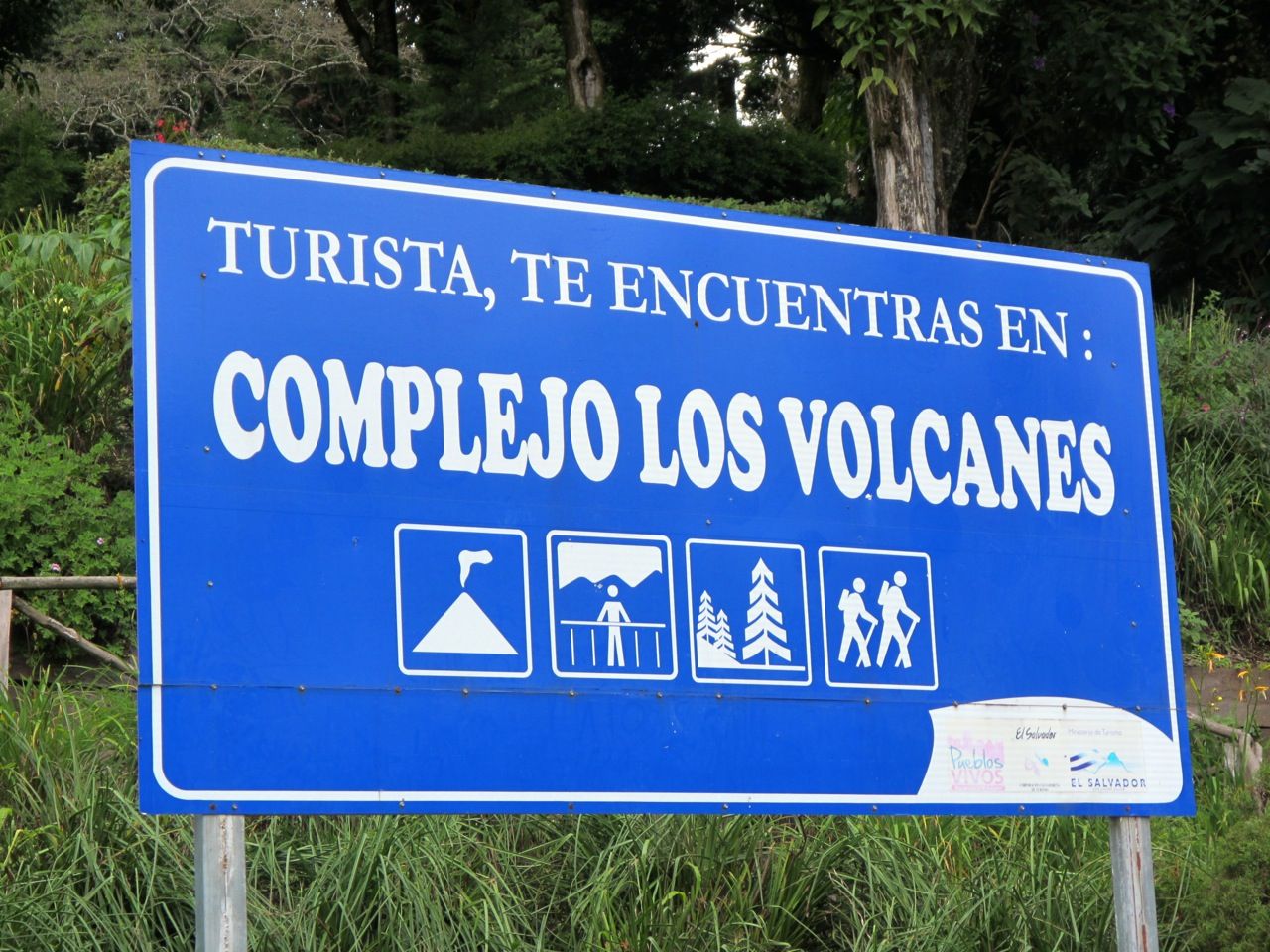
I took a turnoff to Cerre Verde, a national park up at the top of one of the volcanoes. It was a relatively clear day but as I climbed higher it became cloudier.
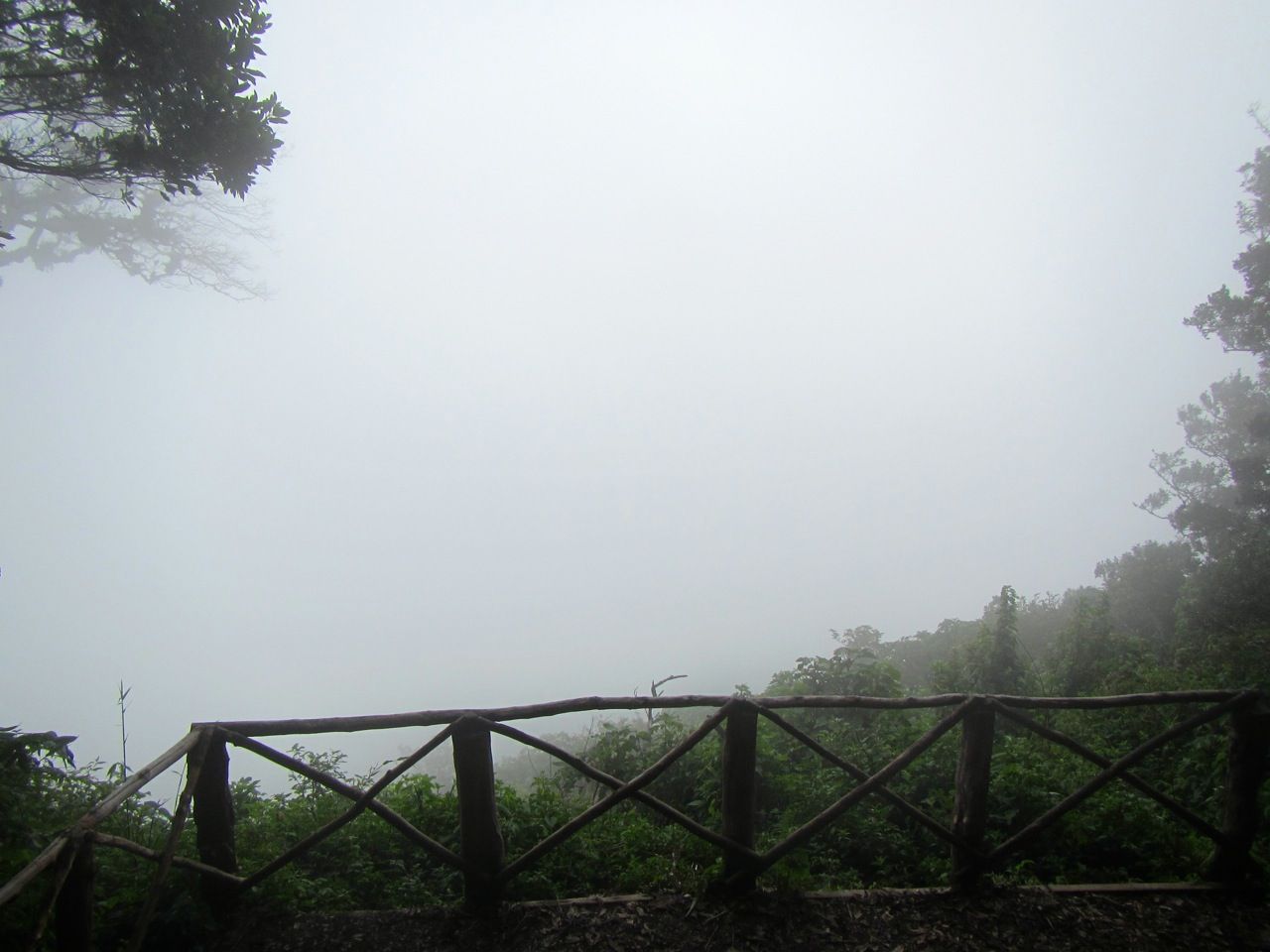
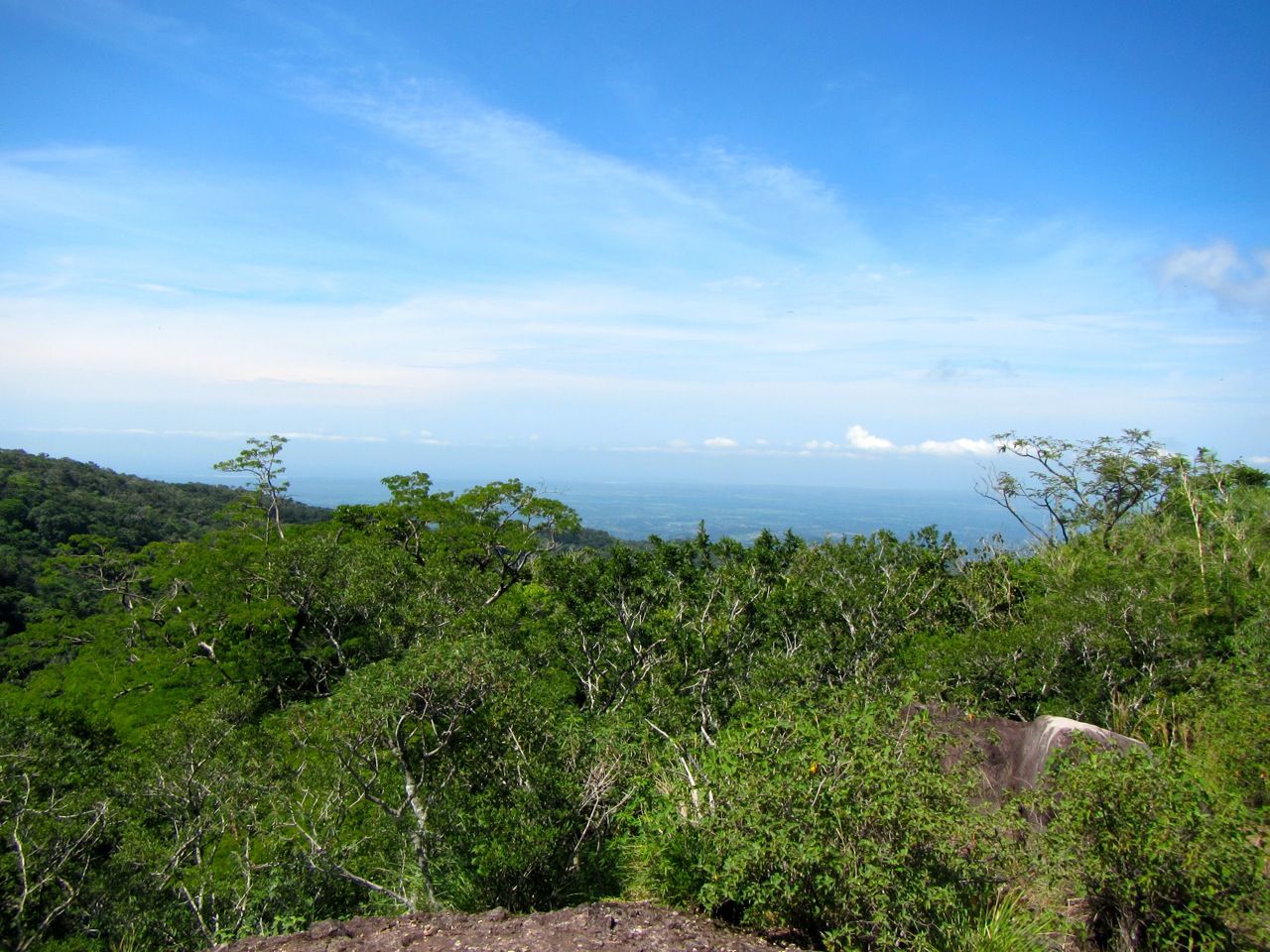
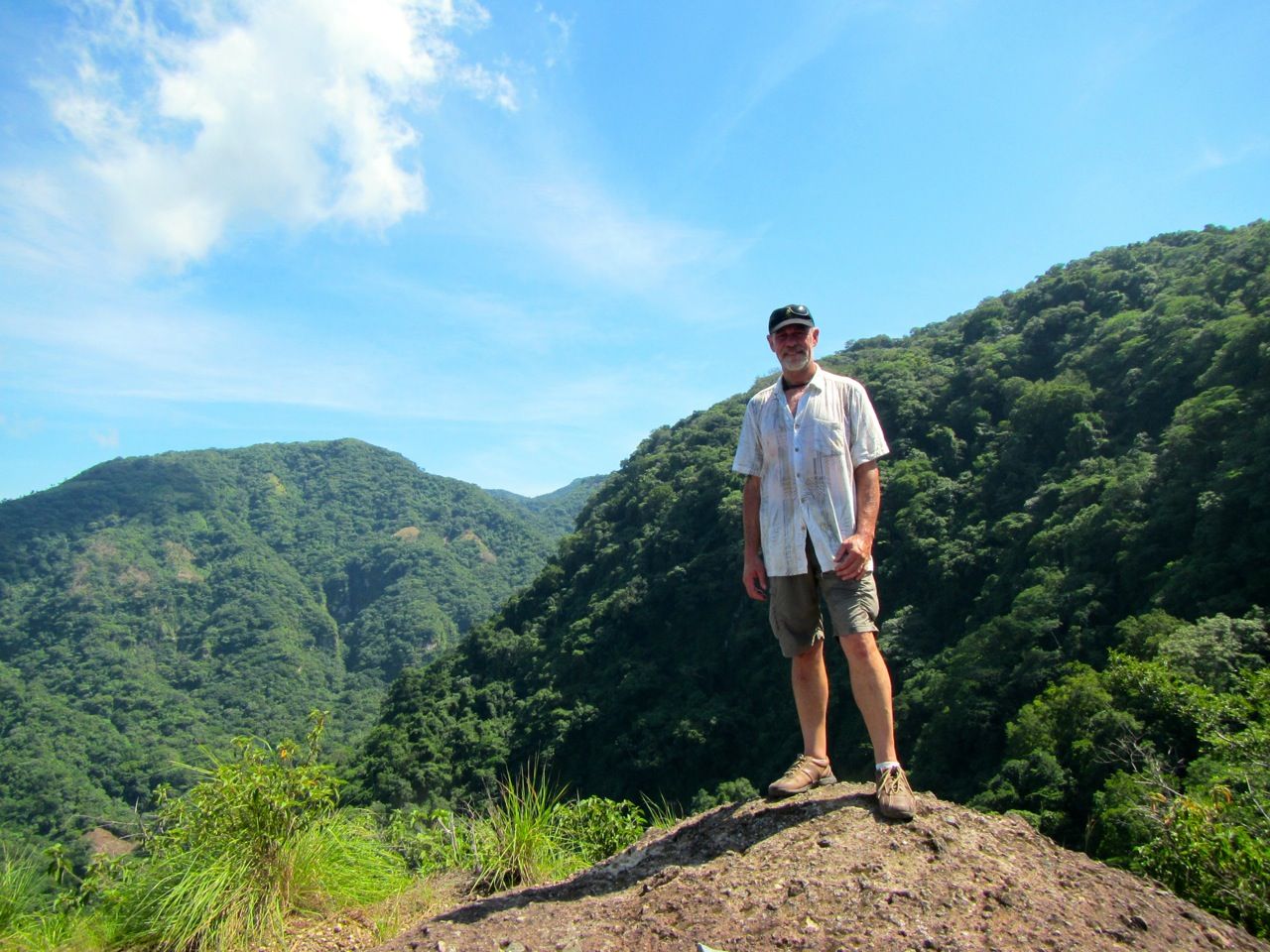
I arrived at the top and was taken on a guided walk to see a view of the lake and the adjoining mountain. 
As we started the walk a large cloud moved in to obscure the view. 
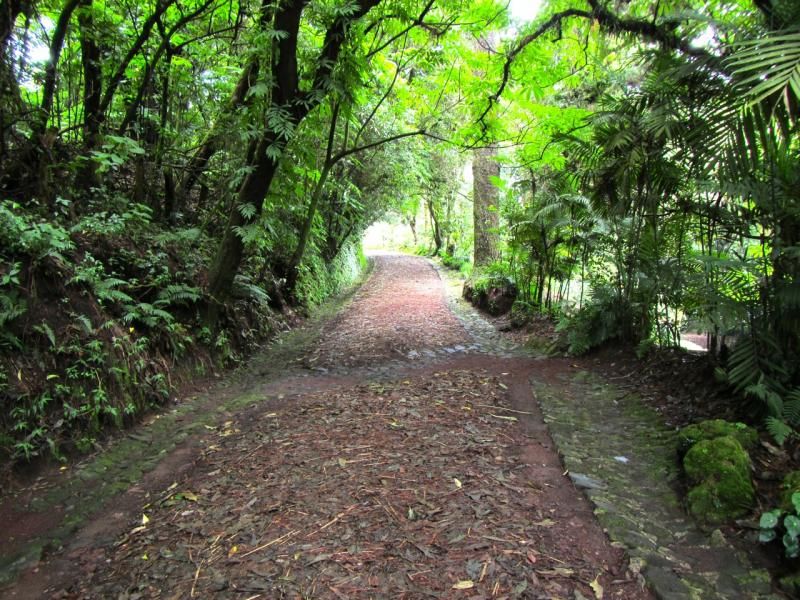
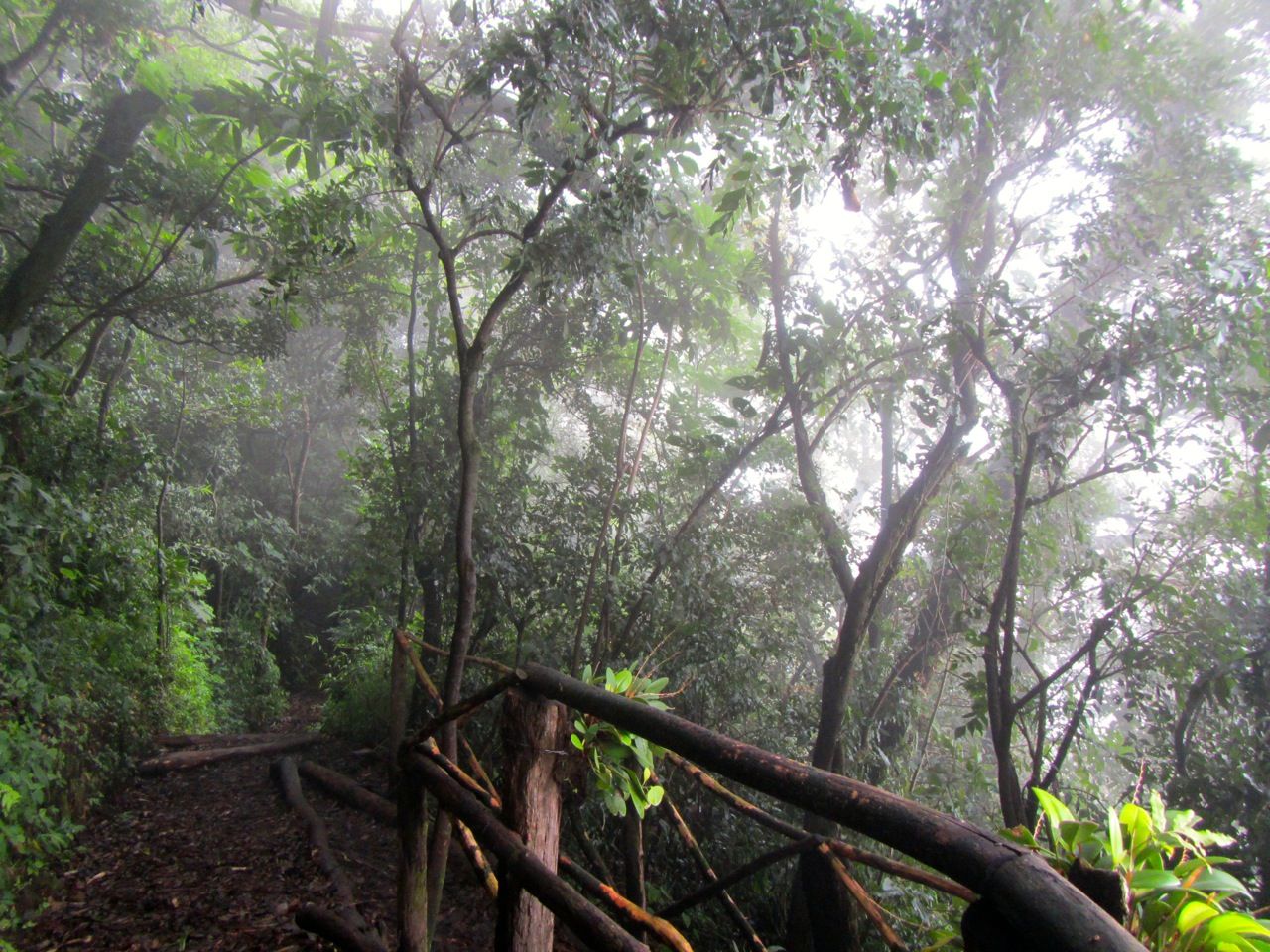
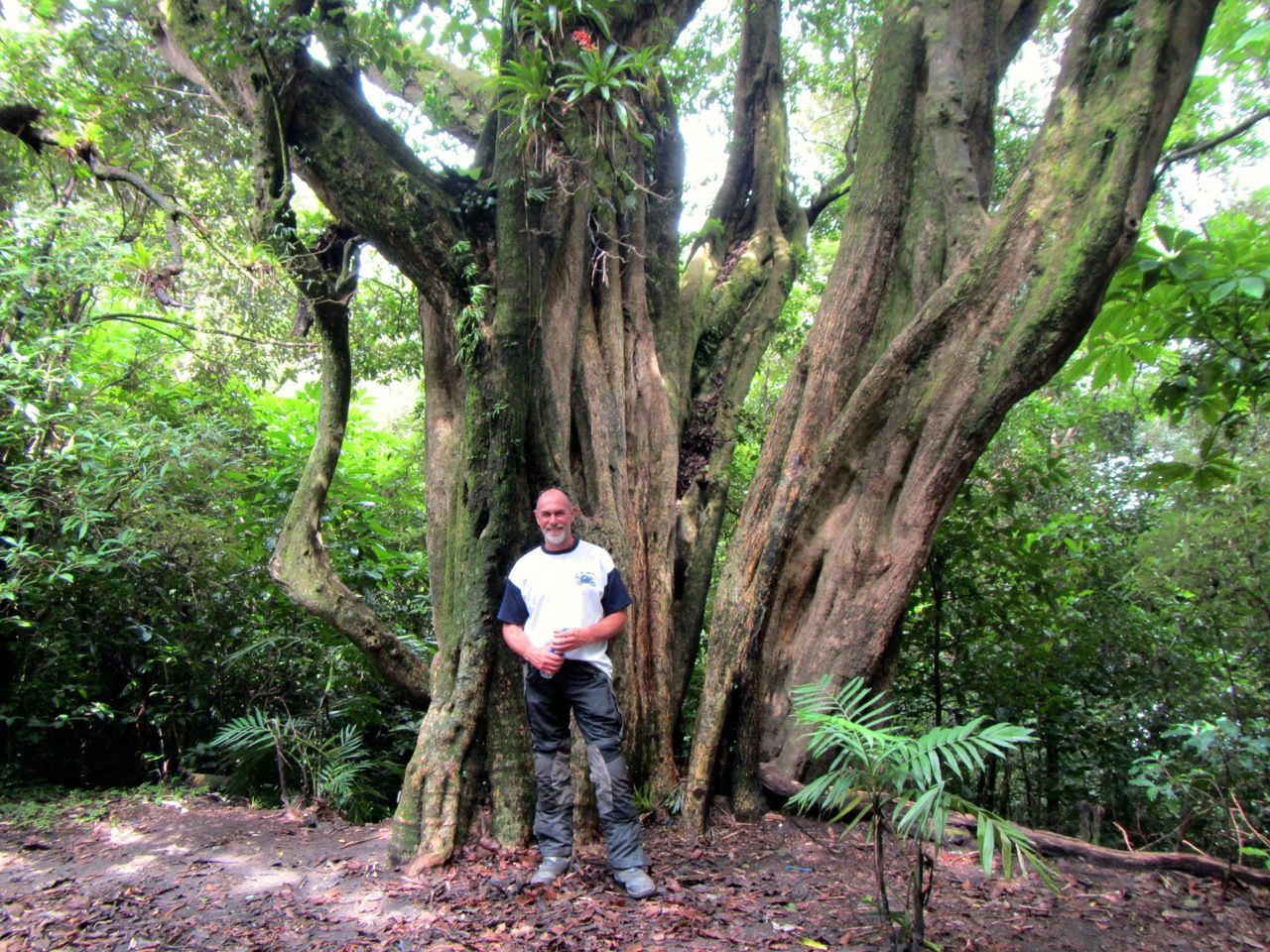
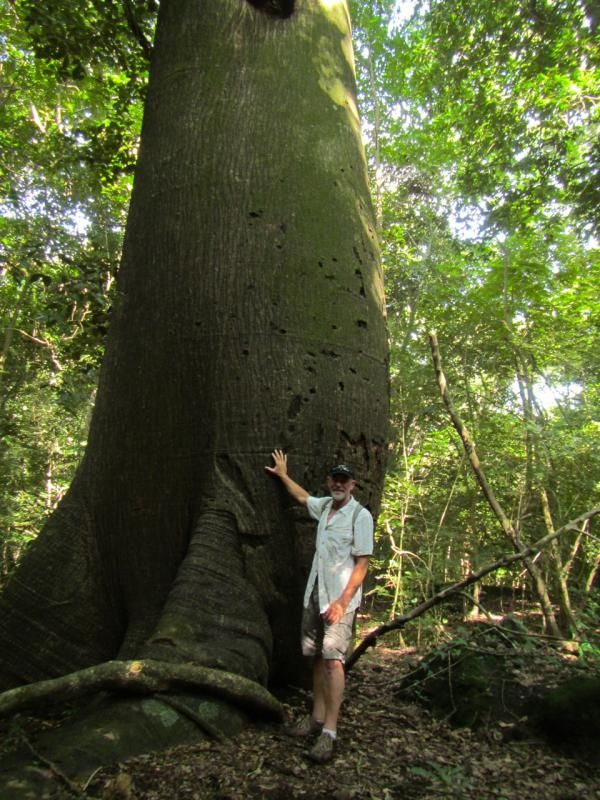
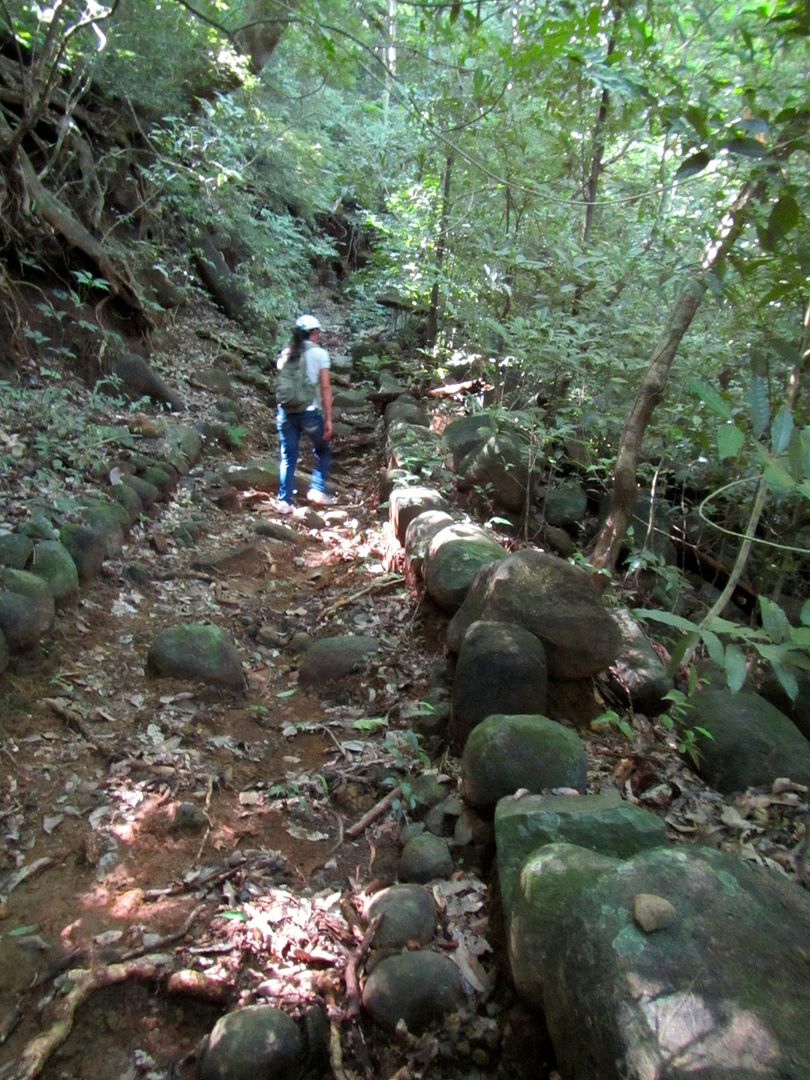
It was still a beautiful walk through the rainforest with old trees, 
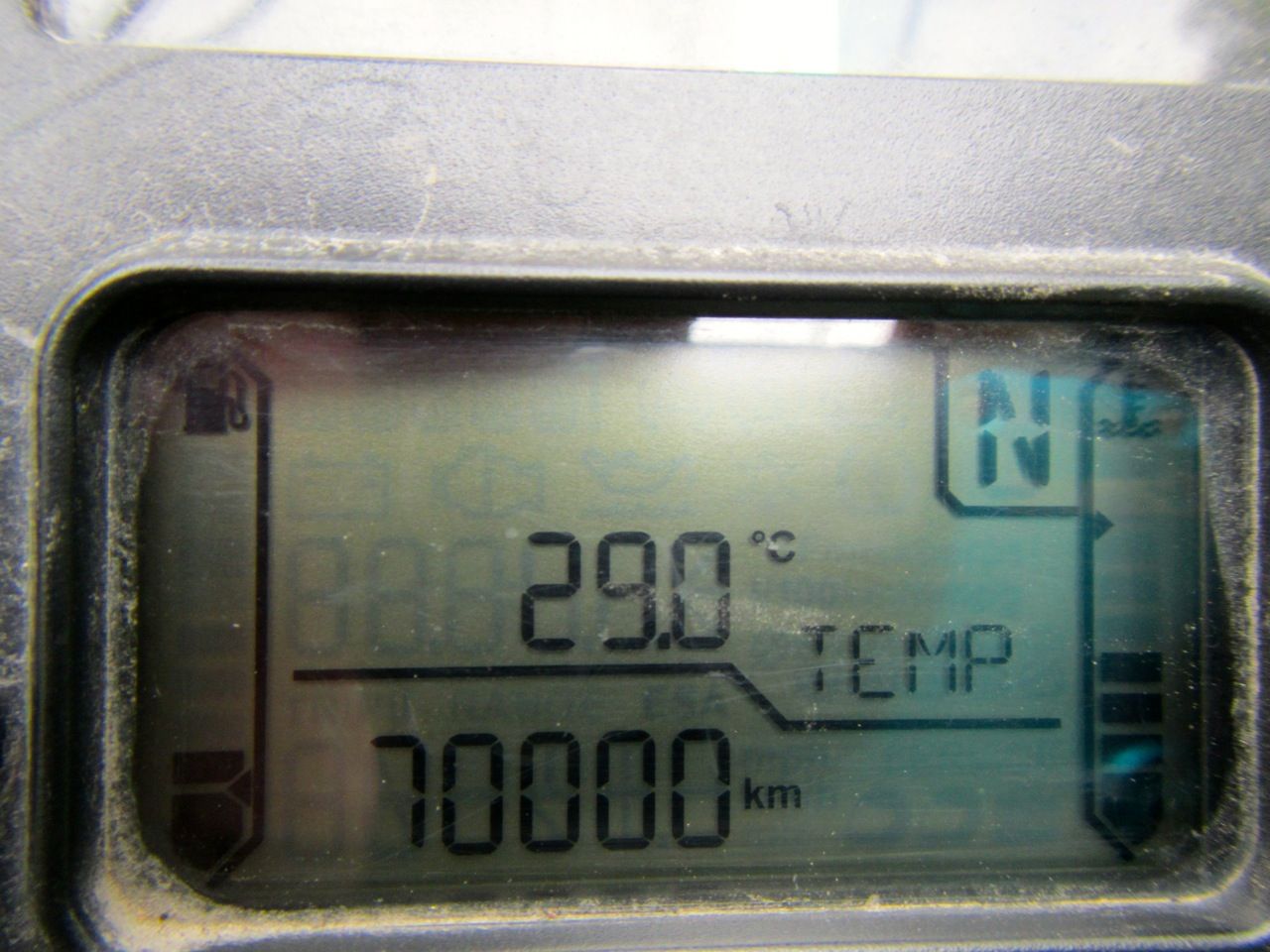
but eventually I walked back to the bike and headed downhill towards Santa Ana. On the way it rained a little, then I noticed that my trusty steed was finally run in.
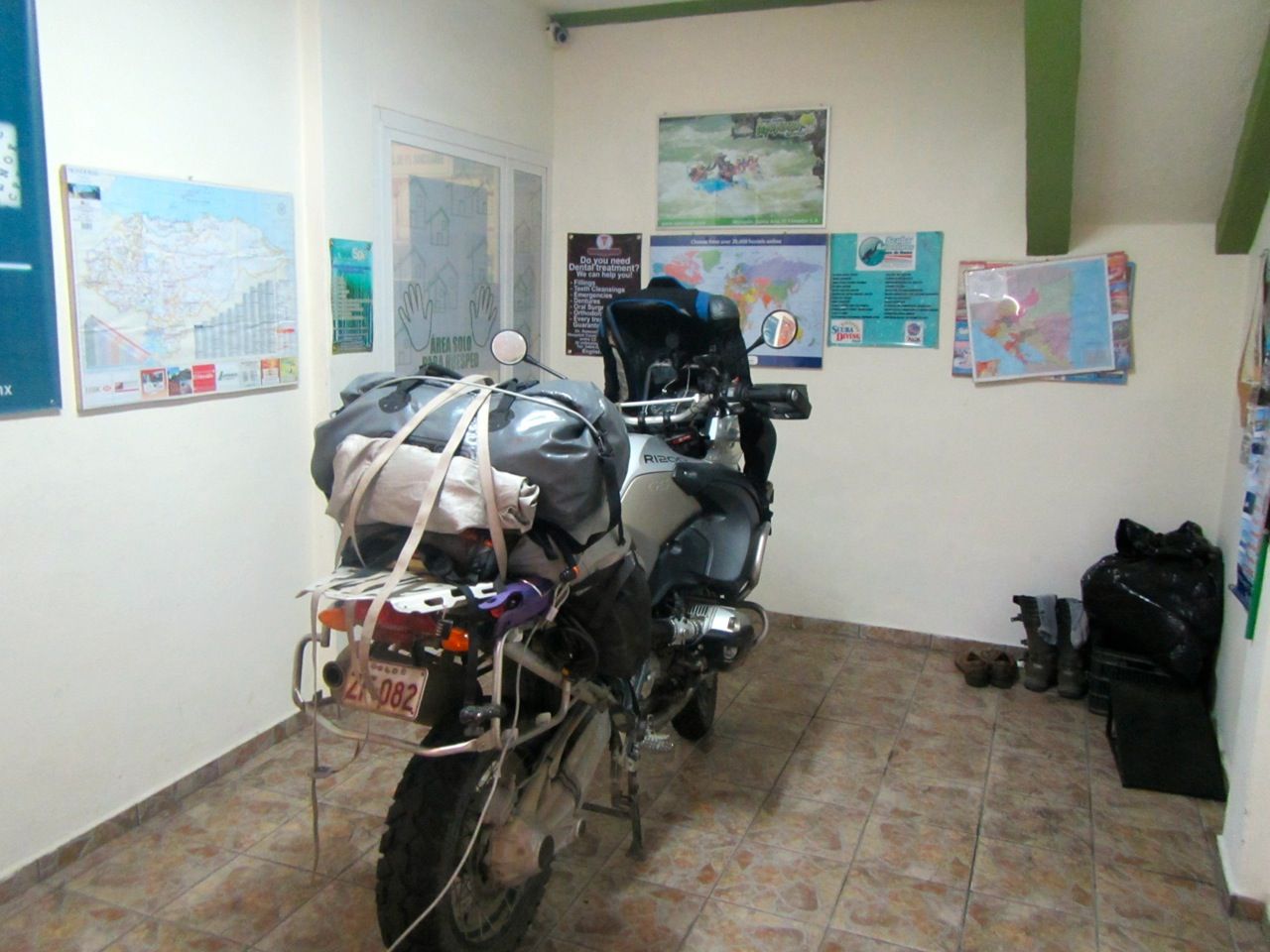
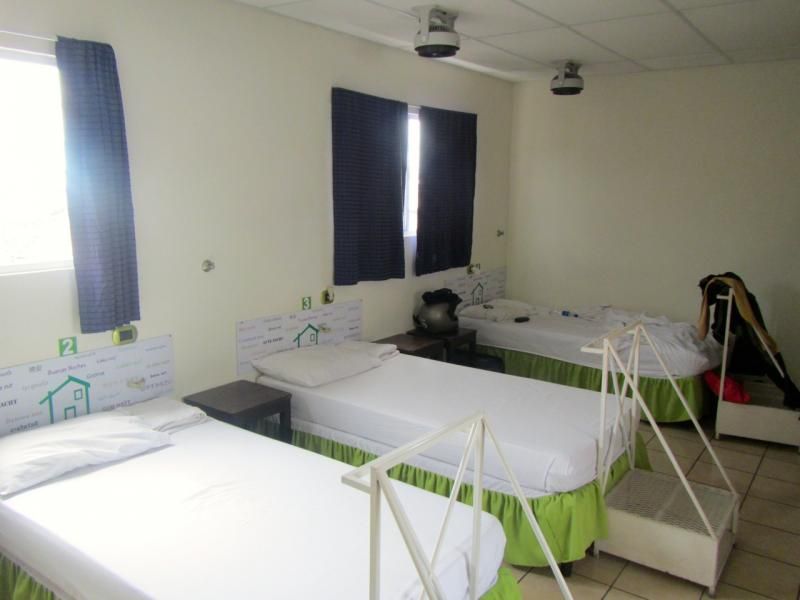
By the time I was down at lake level the rain had stopped and I found my way to La Casa Verde in Santa Ana. It was a top-class hostel, friendly, clean and cheap – with inside parking – so I booked in.
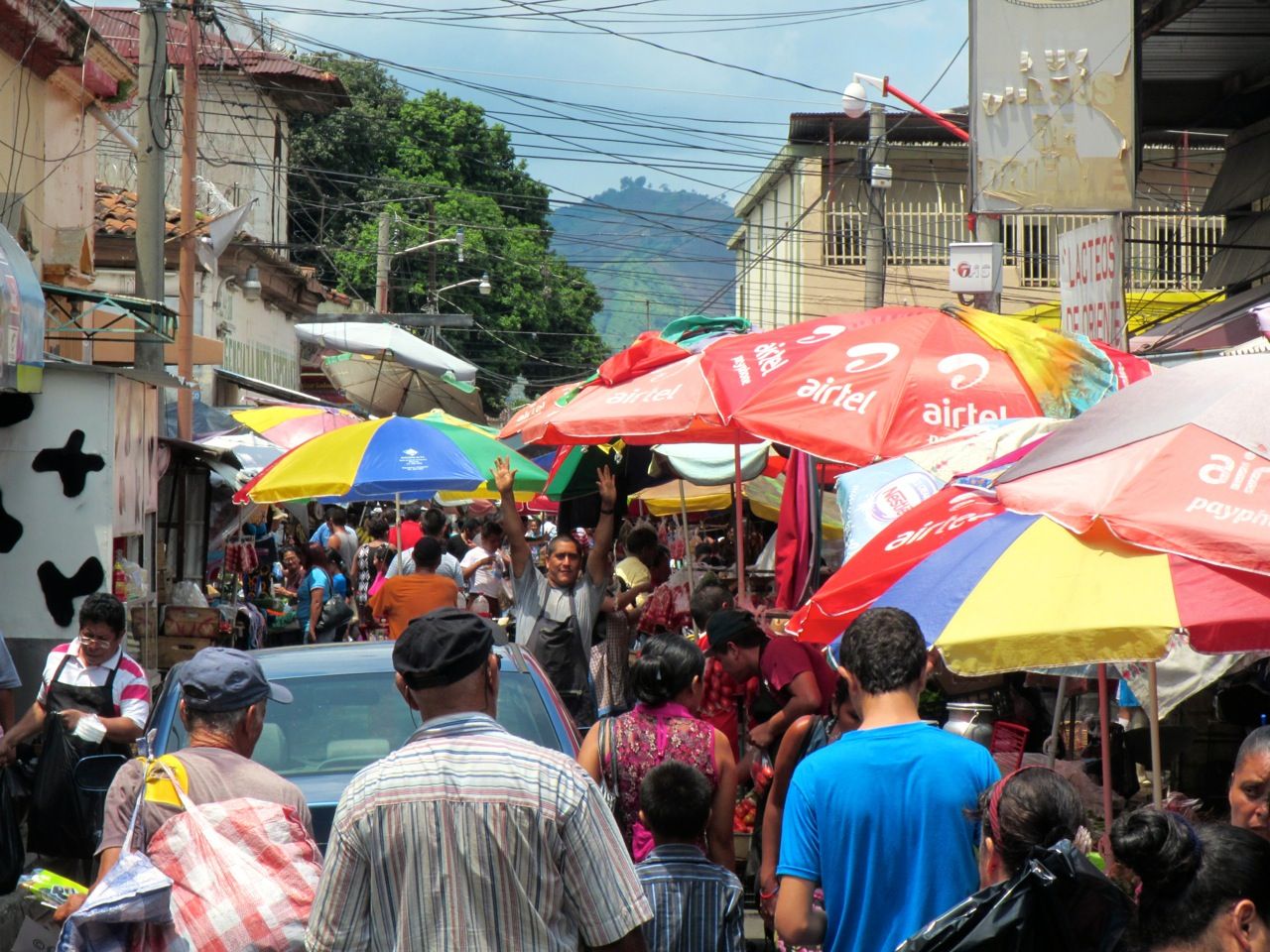
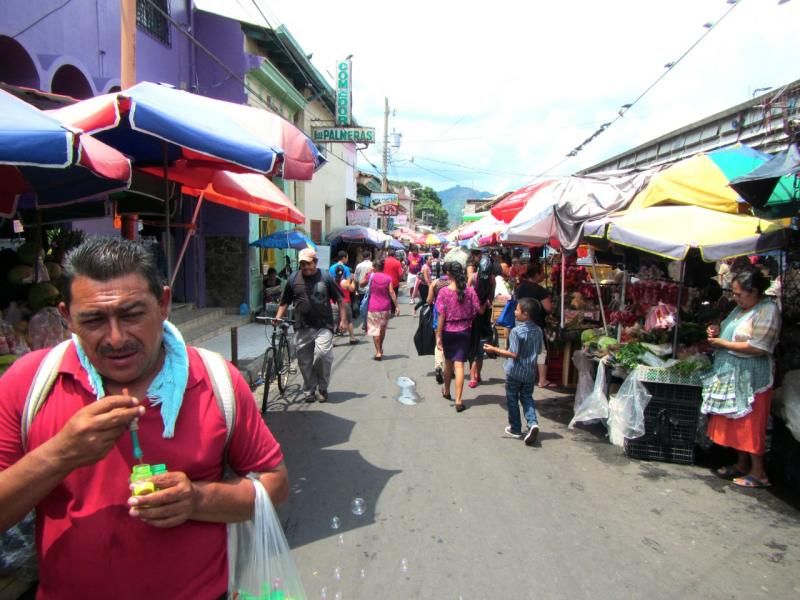
The next day went wandering through the lively little town.
I left the Green House and owner Carlos after two nights to meet up with David. After a couple of failed attempts at directions and finding his restaurant I gave up because I didn’t have phone connection, it was starting to rain and I was riding in circles. I headed towards the Ruta de Las Flores, one of many specified routes in El Salvador to explore unique features of the country. I eventually found my way to the smaller roads through the mountains.


Friday, 26 September 2014

El Salvador - The Coast

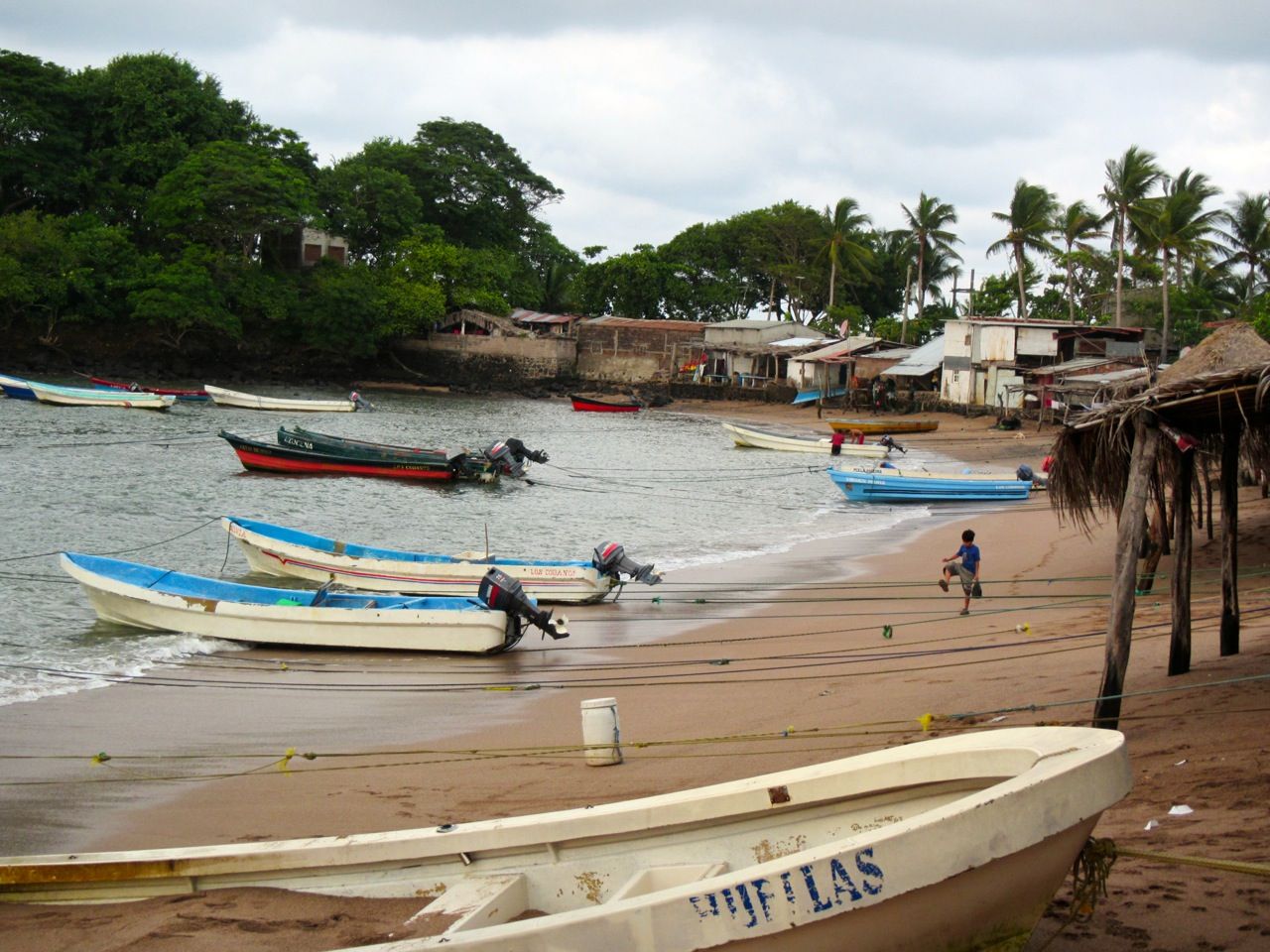
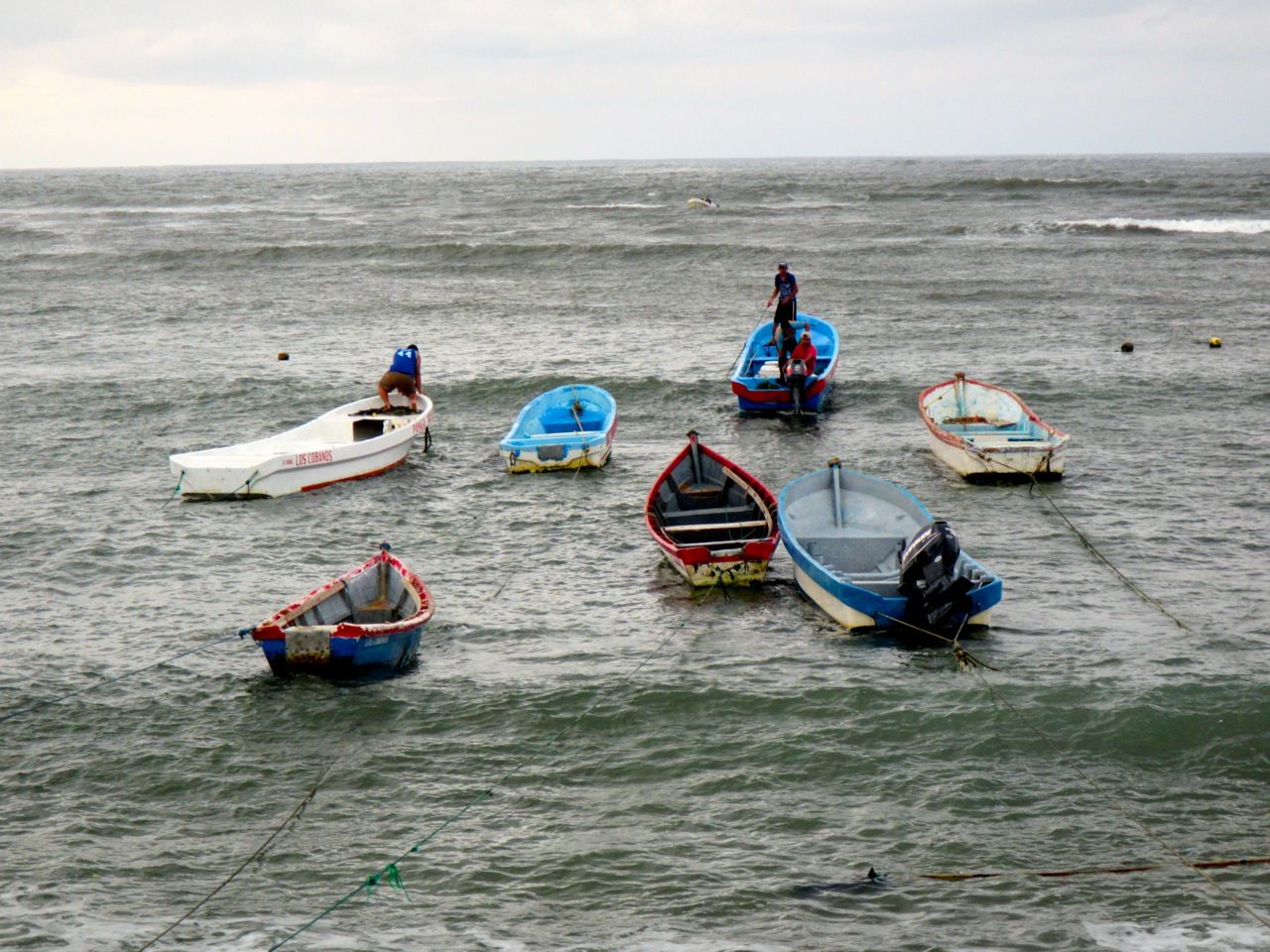
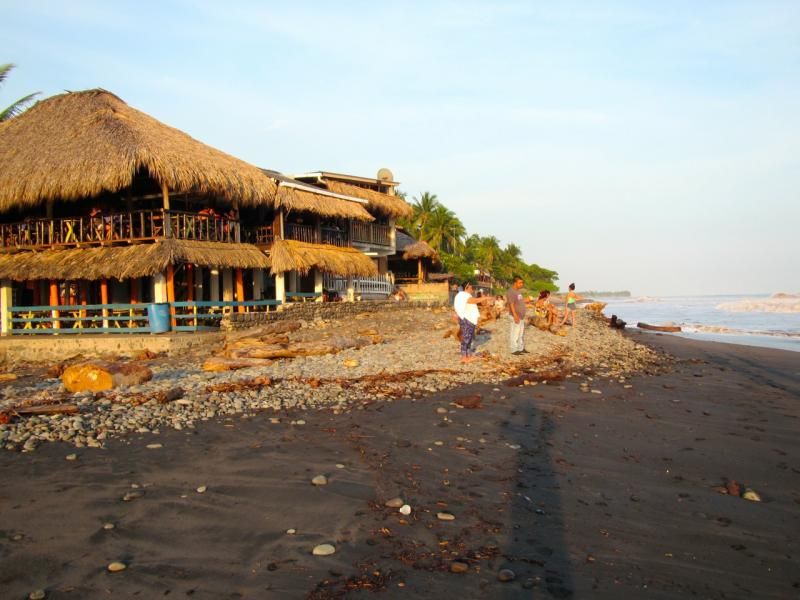
I didn’t travel far, only about 80 kilometres and stopped at a beach Playa Los Cobanos that I had marked to visit. It was a small fishing village right on the beach with a ramshackle series of thatched cabanas adjoining each other. The bike got lots of stares and I really just wanted a coffee but all that was on offer was instant and I have some of that with me. Eventually I asked about a hostel and I was directed to a nice place down the beach with parking behind a large fence and steel-sheet gate. It had a pool and was right on the beach. The rooms were $59 but they had a dorm for $10. I was the only one in the dorm.
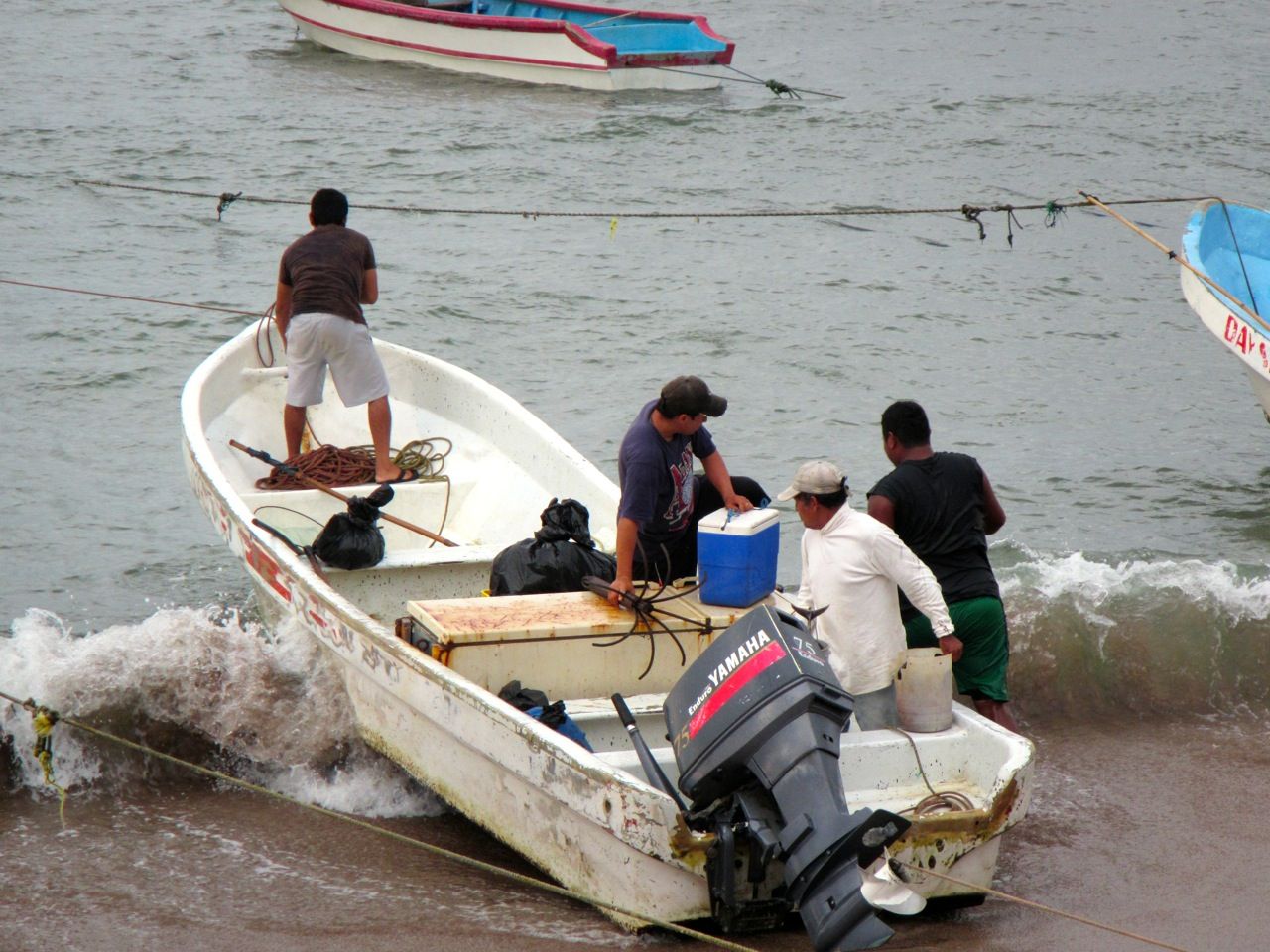
It was a busy beach with lots of fishing boats
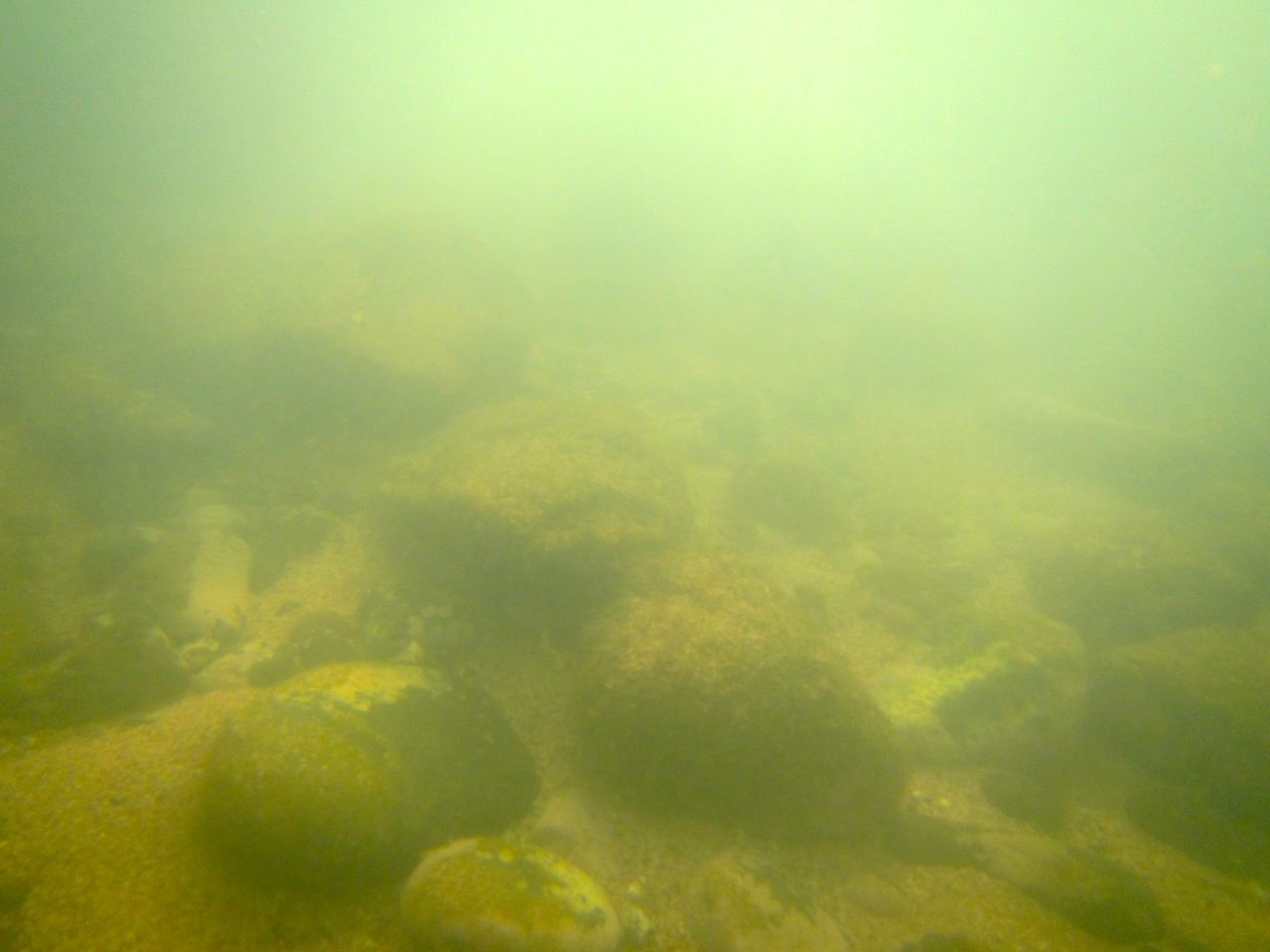
I hired some snorkling gear for a couple of hours to swim around the rocky reefs but it was low tide and looked like this most of the time.
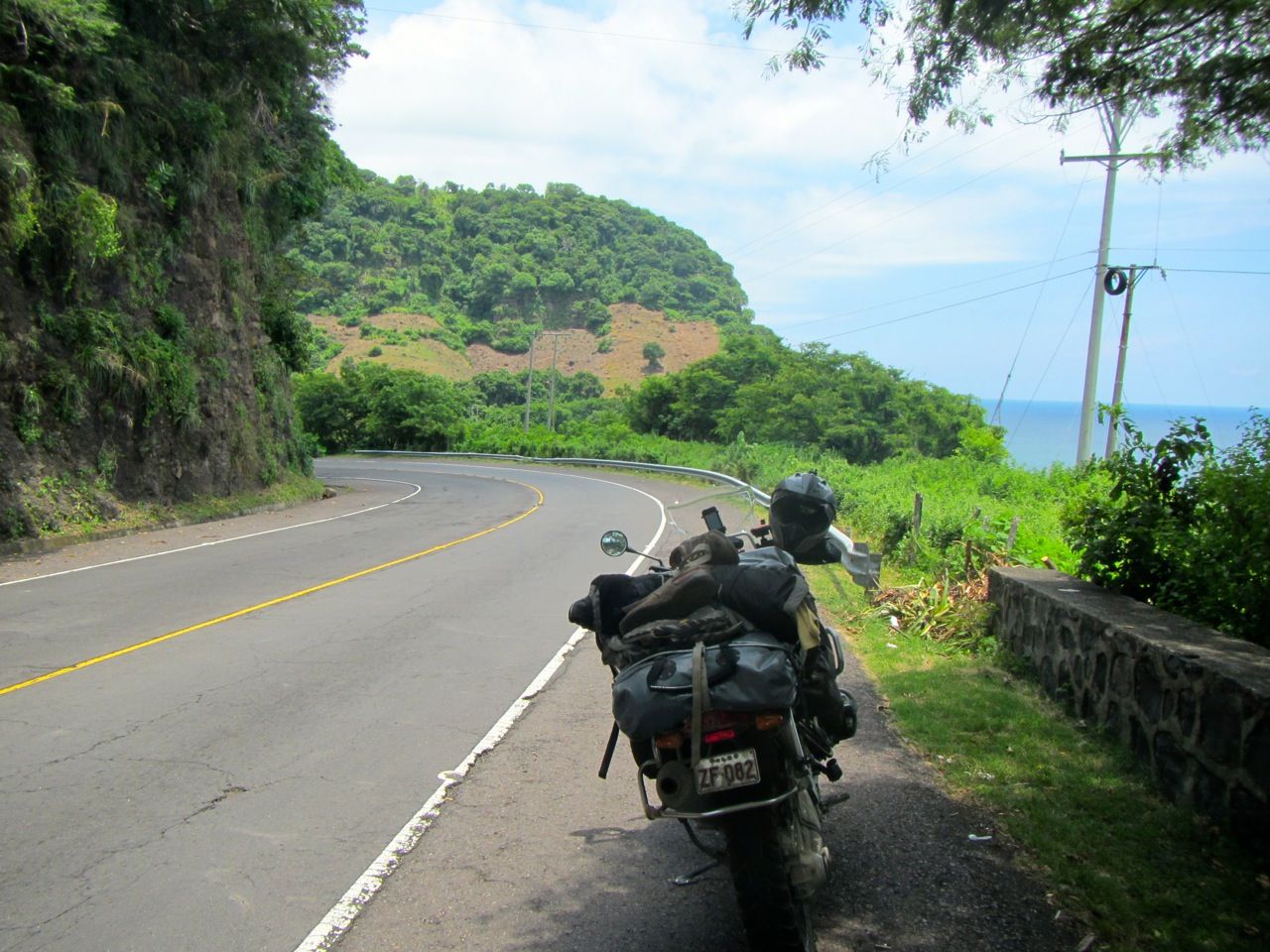
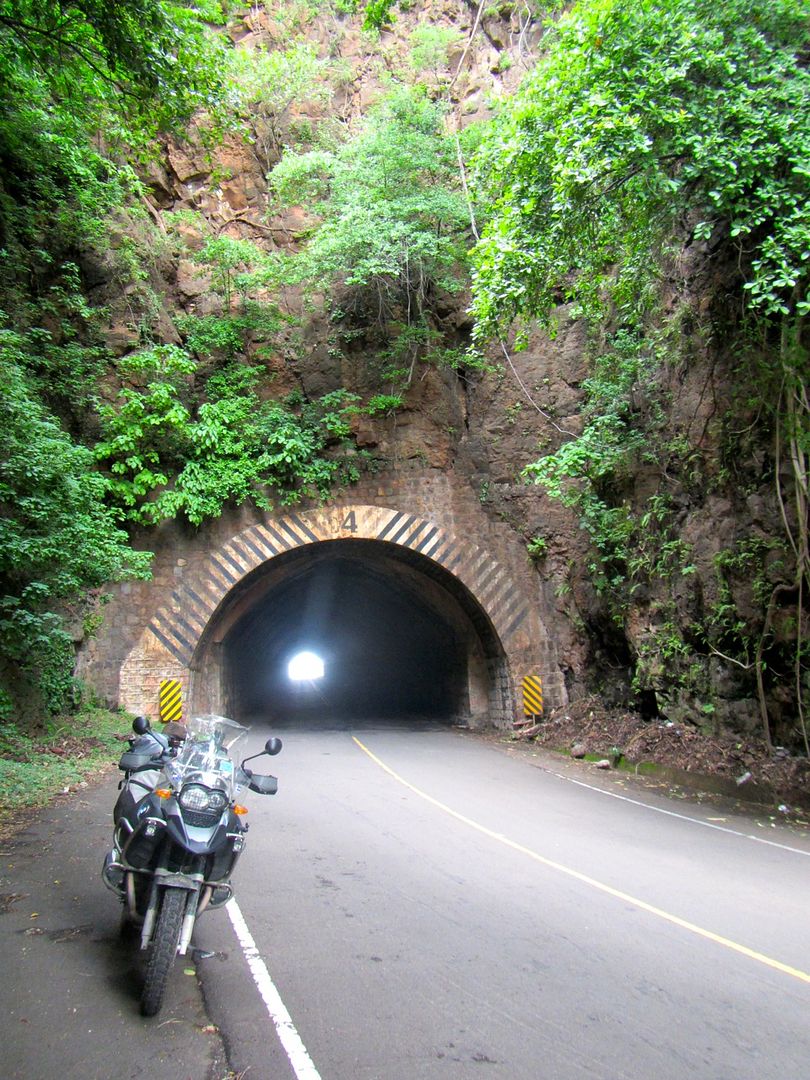
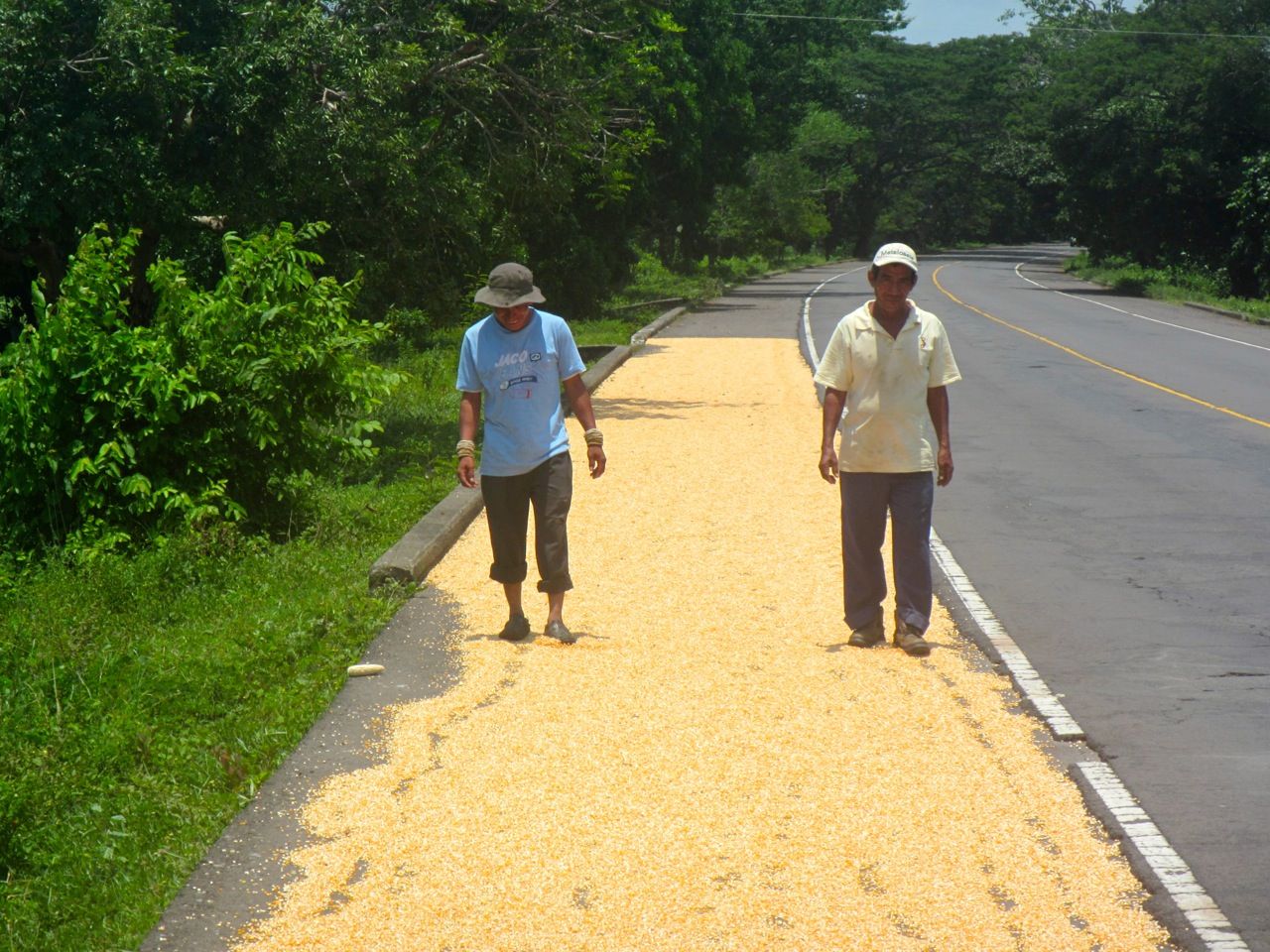
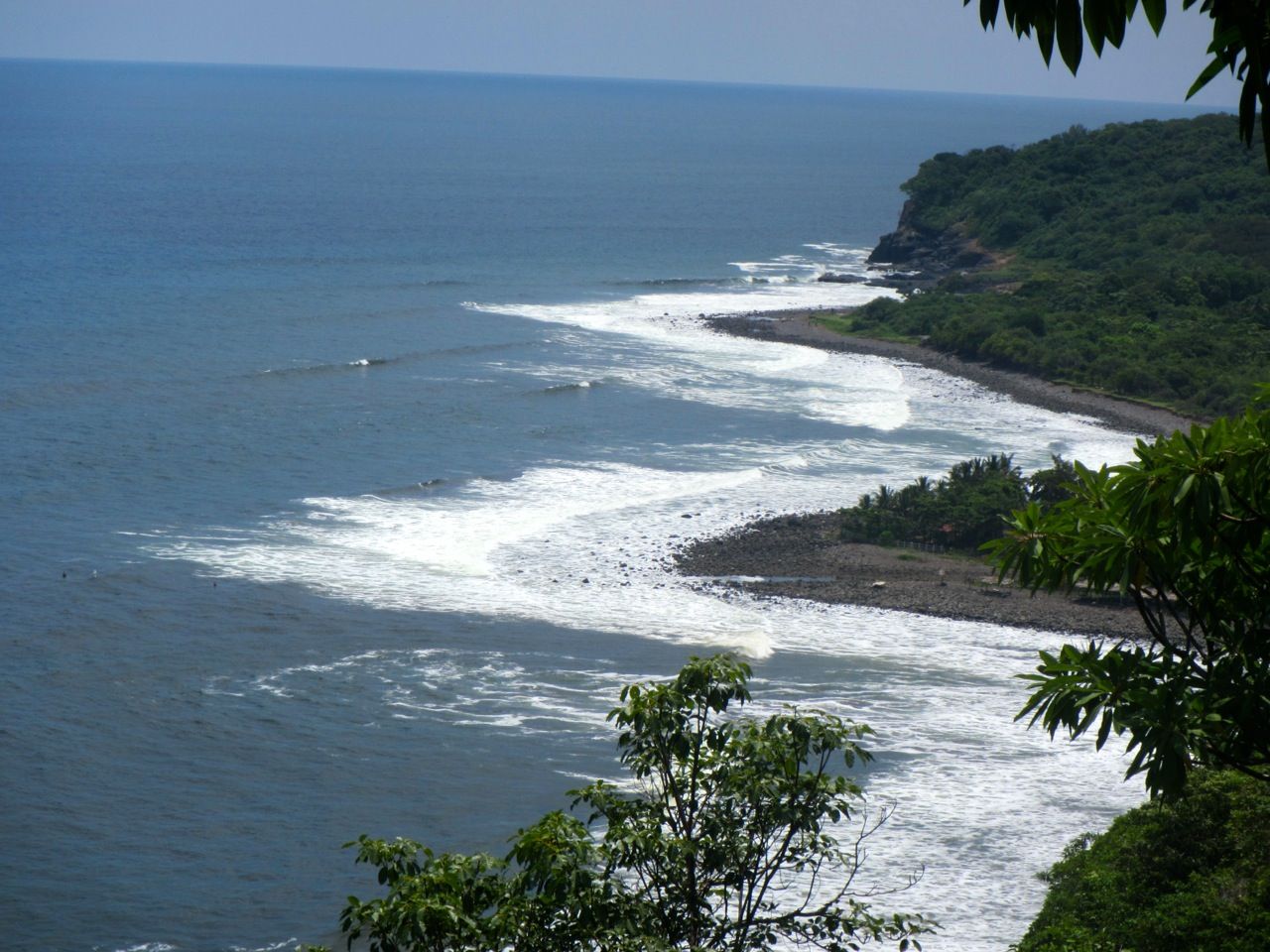
I followed the very interesting looking road along the coast with its bends and tunnels and local agriculture.
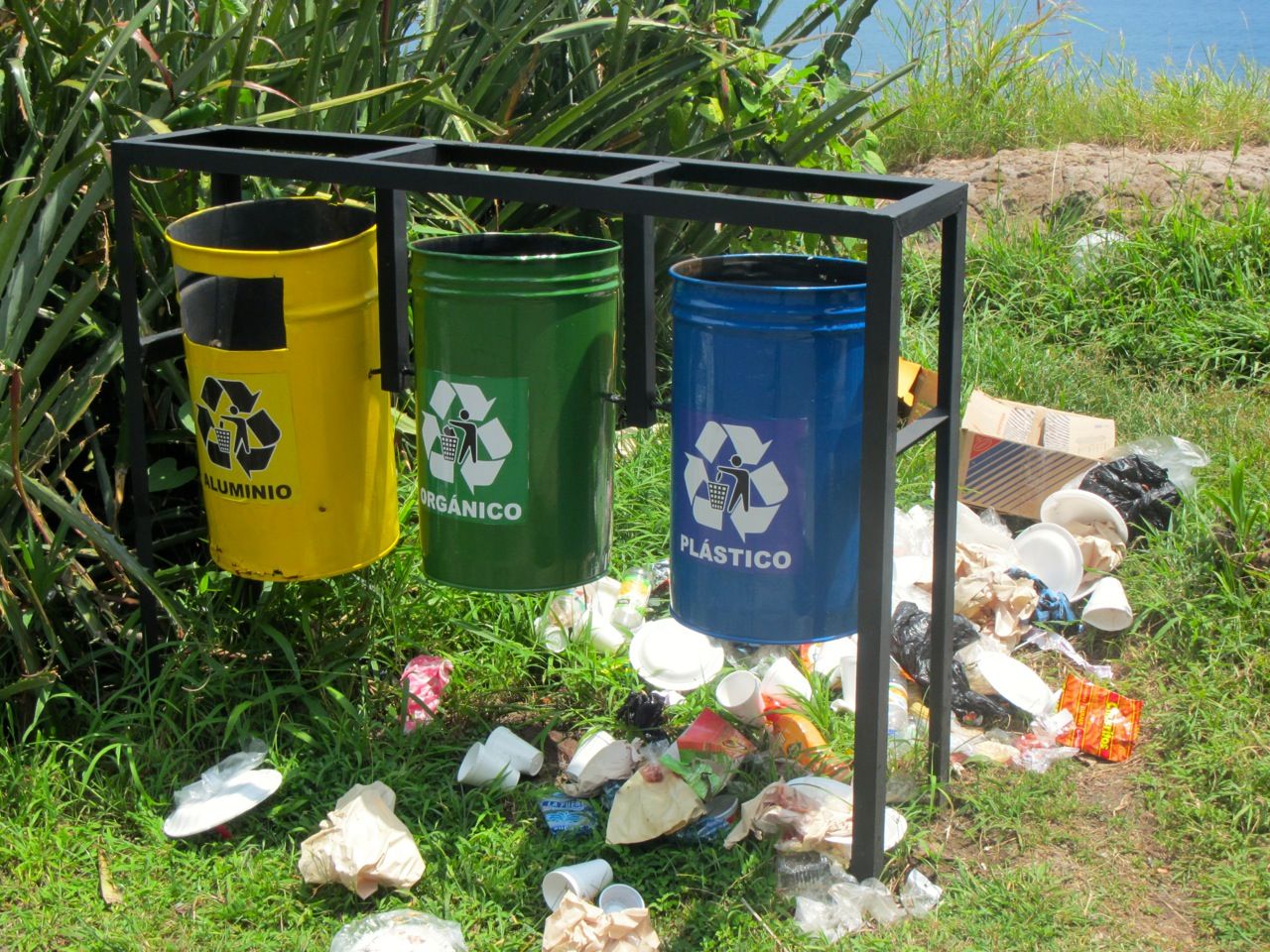
While there is a genuine attempt to educate the population on recycling there is still some way to go. 

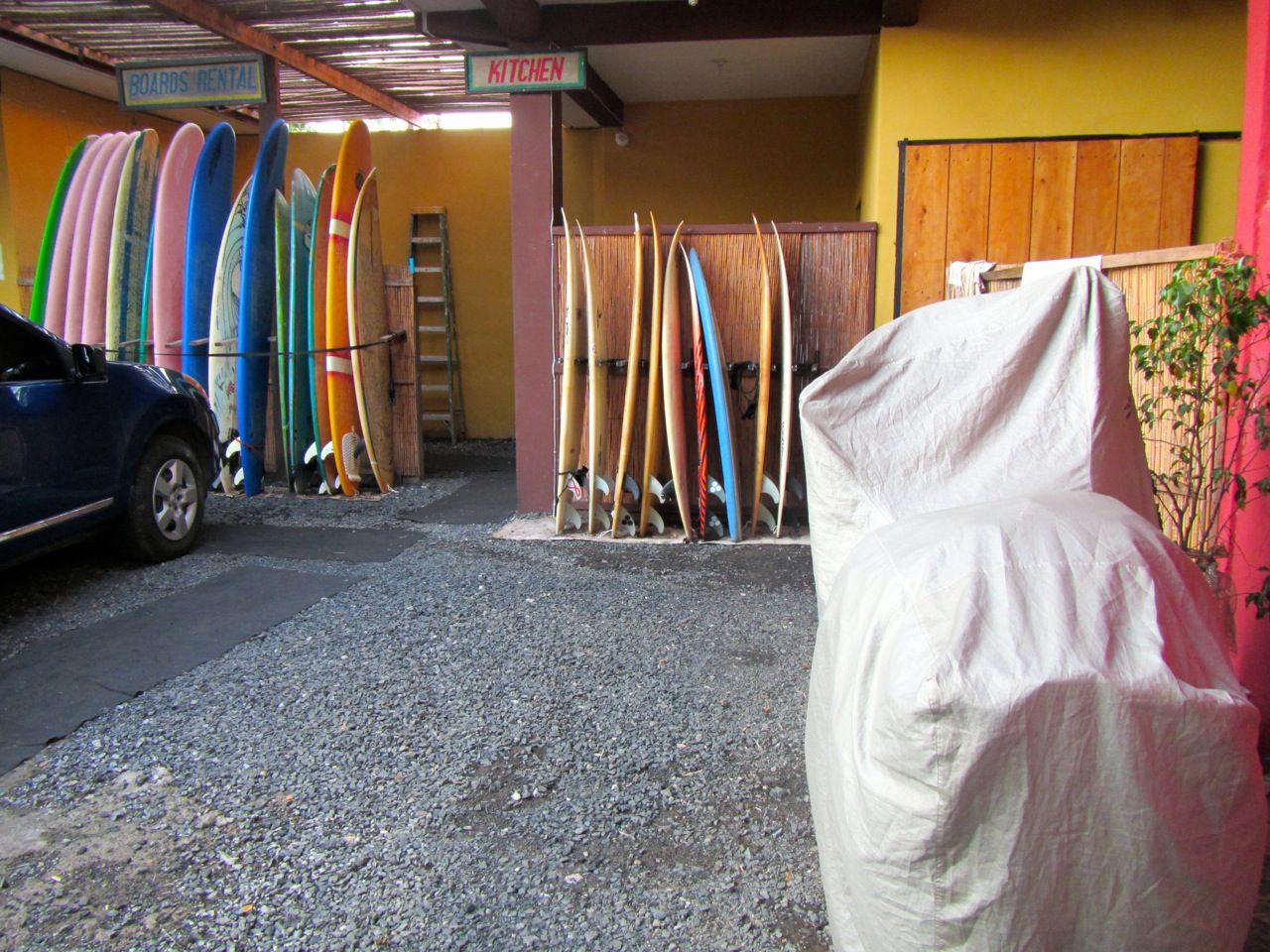
I stayed a couple of nights in El Tunco, a renowned surfing beach. While I was there a brown stain washed down the river from a recent thunderstorm and at the time it made it not very nice to swim in but over subsequent days there was a huge fish die-off due to lack of oxygen and I heard that for the following two weeks the place stank of rotting fish. Real shame for such a nice place.
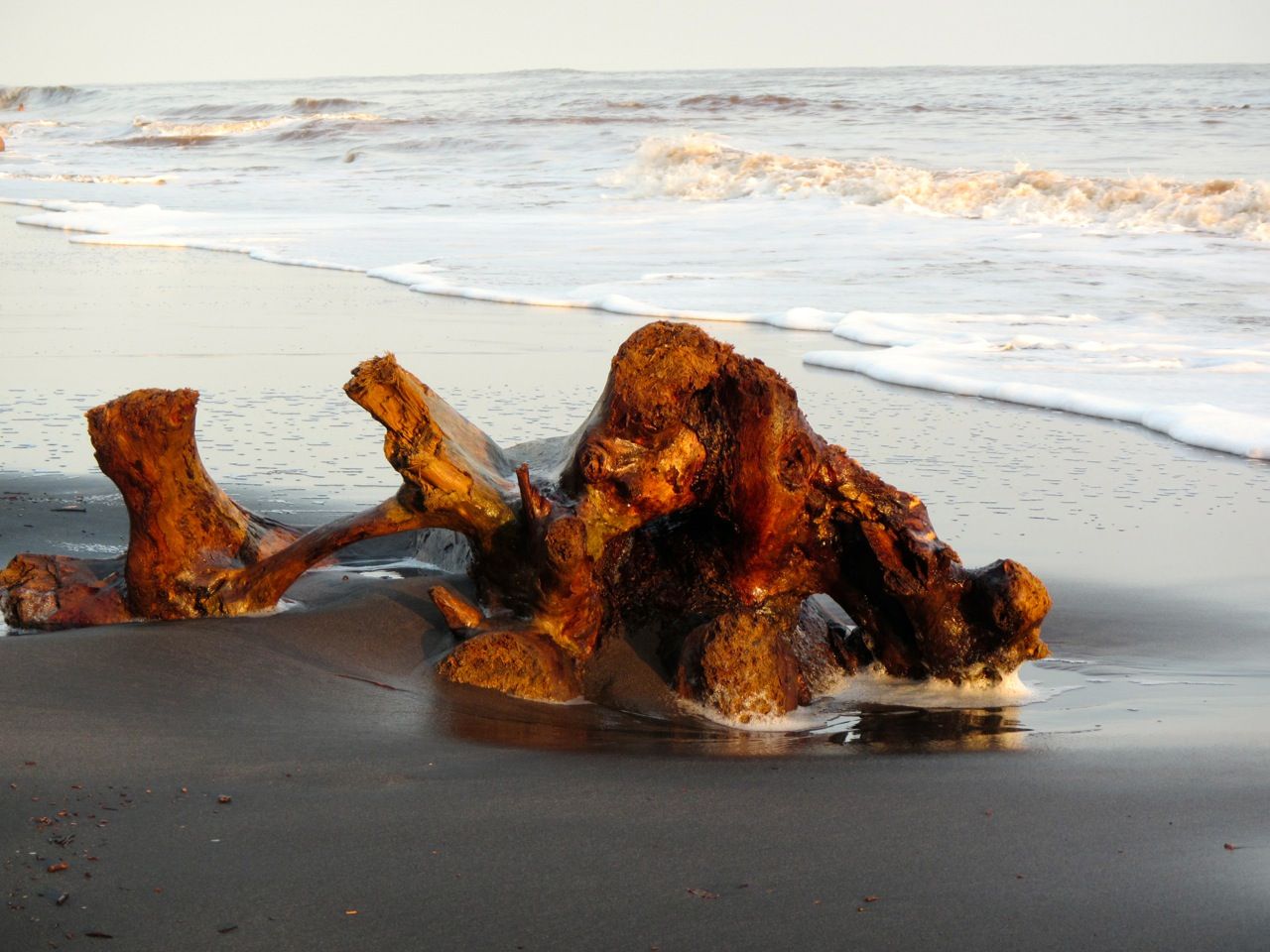
Black sand

El Salvador - Parque El Imposible

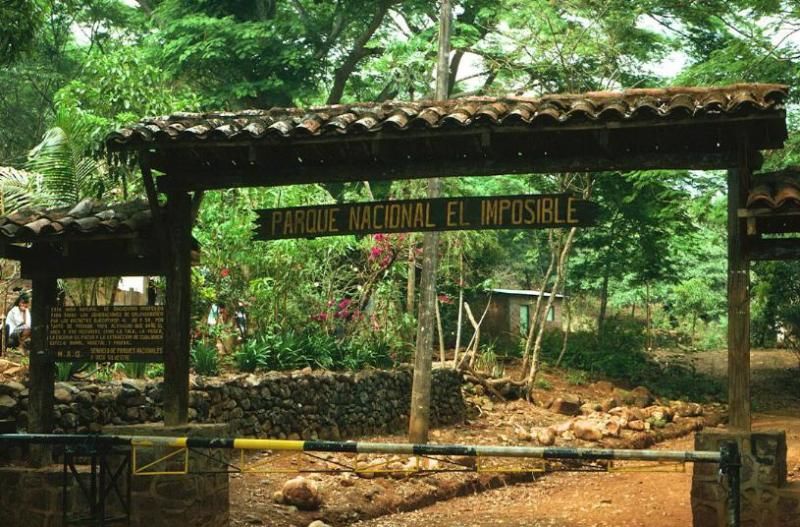
It was a short ride to the little town of San Francisco Menedez on the river of the same name and the entrance to the El Imposible National Park. I just liked the name. 
I walked to the office/house nearby and after negotiating the entry and deciding I would camp, I told them I wanted to go for a walk in the park in the morning. $6 to camp I thought was a bit expensive but not sure how it all works here yet. 
I was let in and rode fifty metres along some smooth river stones that lined the roadway and I set up camp amidst a group of guys playing soccer on a dirt and rock flattened pad just off the road. They stopped playing for a while as the main owner/caretaker came over and showed me the toilets, river nearby and the showers. 
I set up my tent to the inquisitive stares of some ten or twelve guys aged from around 16 to 40, and a couple of young kids. It was humid and I was hot after taking my riding gear off and erecting the tent, so I assembled my chair and their faces were gold. They had never seen anything like a fold up aluminium chair before and in fact it had amazed people who know about such things. These guys were simply amazed. 
I sat and watched them run fearlessly barefoot over the rocks and dirt kicking a very hard small soccer ball. The kicked it hard. These guys are tough. 
Didn't think to grab the camera unfortunately.

It is always received well when I say I’m from Australia and I can tell my story about where I’ve travelled well now. They had questions and we had some laughs. I told them that every time I meet local people they are working hard for their families, houses and food and family being their most important priorities. Belonging to a community is very important to them as well. It concerned them that I was away from my family and they were shocked when I told them I have no home or house and everything I own is with me on the bike.

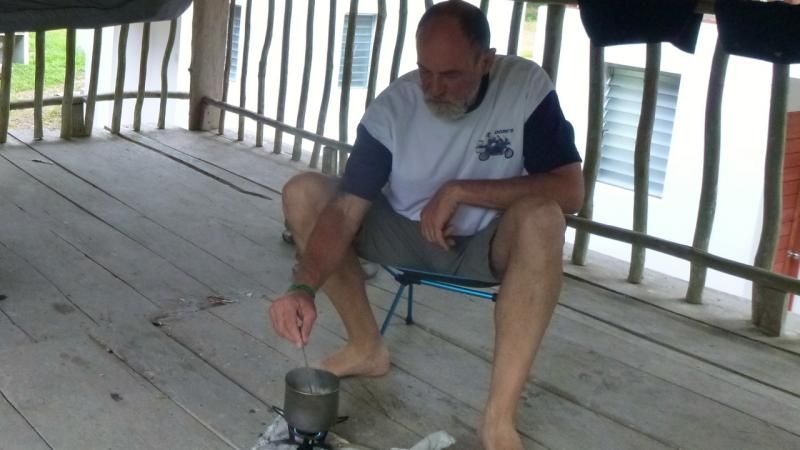
It was a great conversation and they eventually headed off as it was getting dark. I think we all had a mutual respect for each other and they didn’t see me as any sort of threat nor I them. A few guys stayed around as I pulled out my fuel stove, lit it and started warming some beans and tuna. They were captivated by my little modern firemaker. 
One guy asked if I had tortillas and once he realised I didn’t, he ran off to his house, returning a few minutes later with two piping hot, freshly made tortillas. They watched me eat for a few minutes and almost as if they suddenly realised that they were just standing and staring, they had a quick discussion between themselves and all bade farewell with big smiles and handshakes.

Half an hour later the young guy who had brought me tortillas returned and sat for a while. We chatted about his family and life and the community. A lot of people lived along the entranceway to the national park, many families. He lived with his parents still and he was 25 years old. He pointed to a house where his grandparents live and explained that all his uncles, aunties and cousins lived in the area. He wasn’t related to everyone there and he told me that there were plenty of girls to choose from in the area but he was single at the moment. He didn’t work because there wasn’t enough work for all the men.

The next gesture really surprised me. He was carrying a pair of shoes and he offered them to me. I didn’t fully understand the story with the shoes but he was concerned that I was walking in the park with my sandals and that these shoes were tougher and a lot more suitable. I tried them on and they were a perfect fit. He wanted no money for them and he wanted me to keep them. After a while he left and I didn’t see him again.

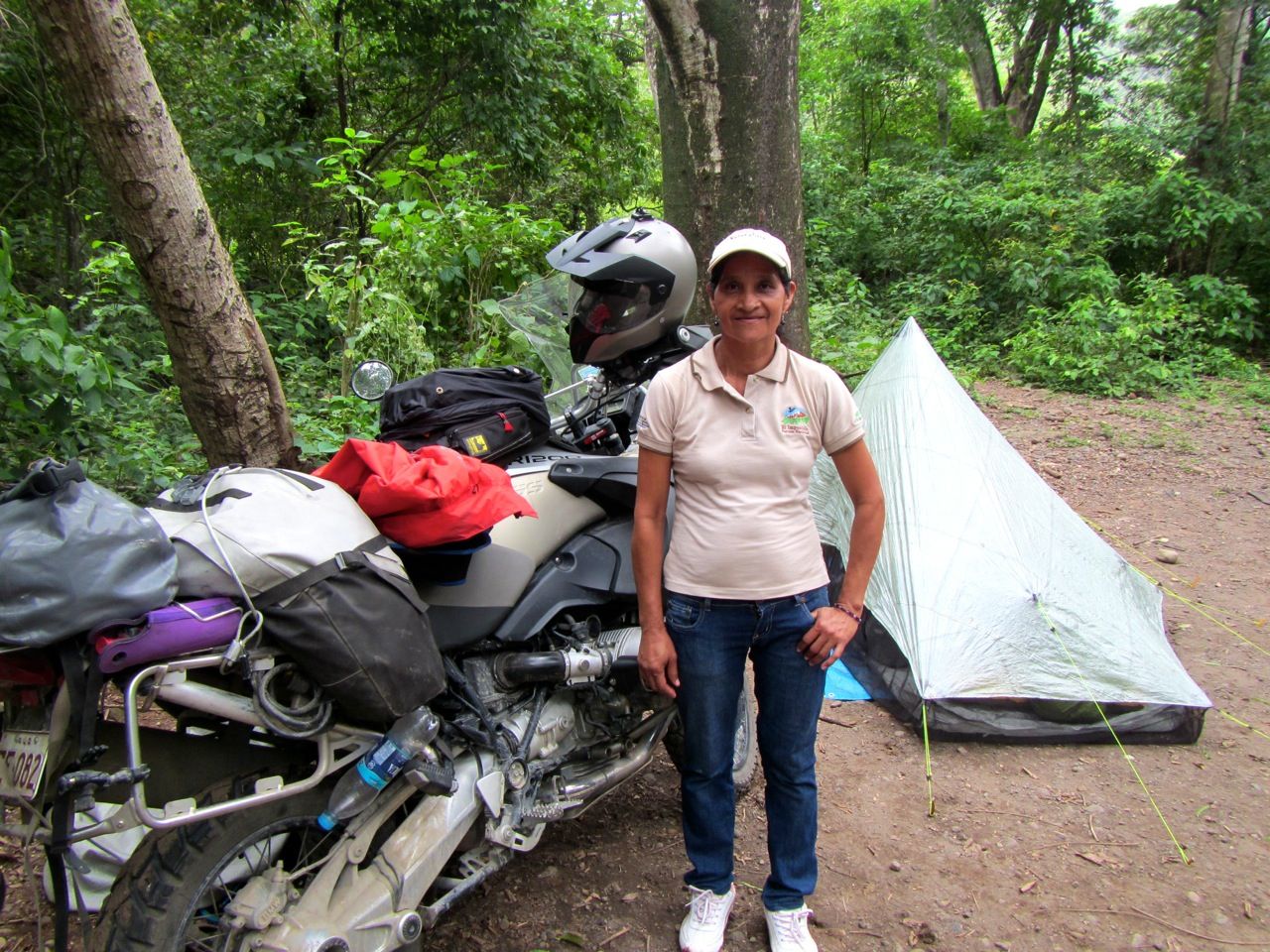
In the morning I made some breakfast and packed up a few things to go for the walk. I wasn’t sure how big the park was or how long it would take so I left my tent up. I was nearly ready when a woman came up to me with a National Parks shirt and cap and told me her name is Ana and she will be my guide. My guide? Why not I thought. 
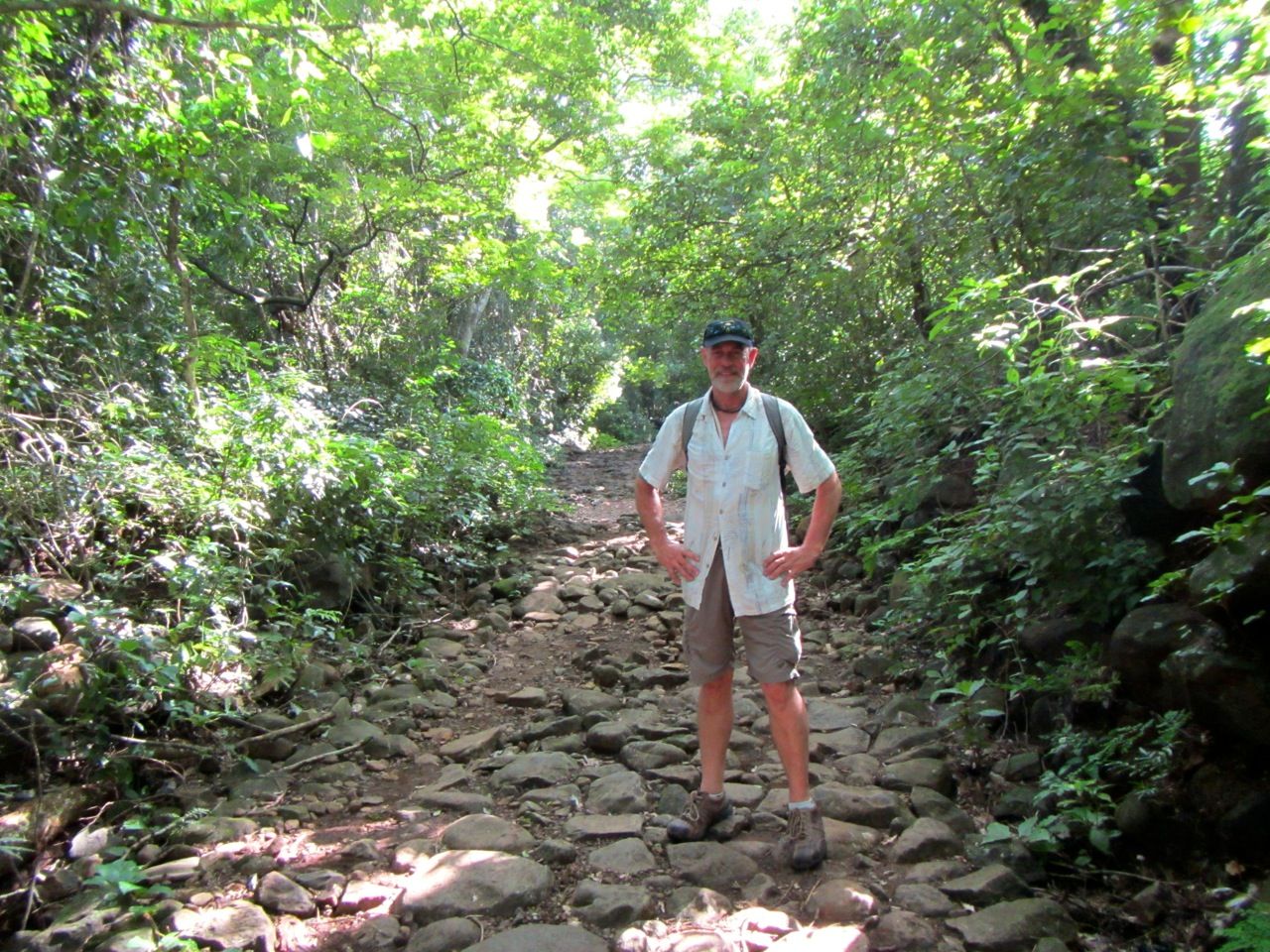
I was ready in another five minutes and we started up a rocky path that became steeper as we went. 
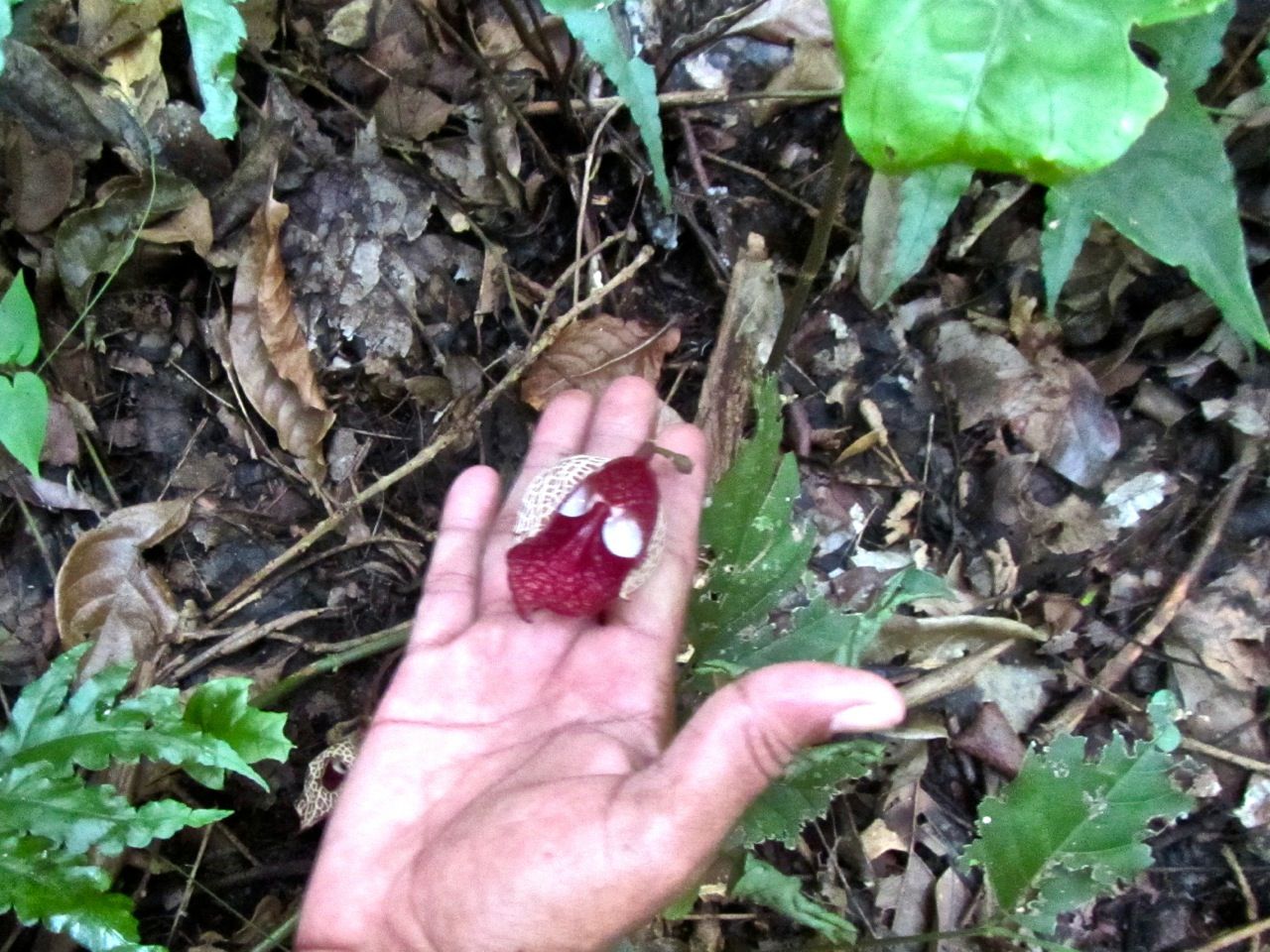
We passed a small village of houses but soon were in the park boundaries where no-one else lived. Ana spoke no English but I was able to understand a lot of what she was saying. She described many of the trees and bushes with their local and scientific names and explained what they were used for. The jungle is a complete pharmacy and she knew all about them. It was fascinating hearing her impart her knowledge.
After 5kms including a river crossing across rocks and changing trails several times, we reached a small track leading to a lookout with great views to the ocean. 

She described the boundaries of the park and what we were looking at in different directions. There was no possible way I could have found this alone. We made our way back and she explained that there was a donation involved for the guide, normally $10. I gave her $15 because I enjoyed the tour and she was very knowledgeable. The jungle here is in beautiful condition with large numbers of species of animals and plants but apparently that is a rarity in El Salvador due to land clearing.
El Salvador - Border crossing from Guatemala


El Salvador has long been of interest to me partly because it has a history of violence and civil war that it is healing from and partly because there are not so many people I meet that have come here. People often tend to go through Honduras and Nicaragua and pass by here because I think the name conjures up some fear with the reputation of the notorious M13 gang and the violent history. The more I read about the country the more interested I became. Once again my attitude is to be a friendly smiling face who will talk to anyone and show respect for them and their culture. So far that approach has created nothing but positive interactions with people along the way. I don’t expect El Salvador to be any different.

I approached the town of Pedro de Alvarado looking for the Aduana. It was easy to find due to a long line of trucks that I rode past to the front of the line. I was waved on to a security guard who checked my papers and sent me to the immigration office in the same building. I made a new ‘friend’ who wanted to help me and was explaining how many copies I needed of what and where to go. I found that my Spanish has improved enough to move through the process quite easily and the friend soon realised I was capable of sorting out myself. He still hung around like a seagull for chips but in twenty minutes I had my passport and temporary import permit stamped for exit, photocopies of everything and smiles from the helpful officials. No costs, no approaches for bribes.

I rode the one kilometre to the border and was directed to the immigration building in La Hachadura. A man with a little English met me and explained that I needed photocopies of my documents. He was the photocopier owner. He was correct and the copies were a couple of dollars as El Salvador uses US dollars as it’s official currency. I went into the Aduana office to a window where they took my copies, checked the originals and started the entry paperwork. In about 45 minutes all was finished and the last process was to stop and give a very attractive female attendant $5 for entry into the country. Every vehicle is charged this. Less than two hours and I was riding through El Salvador. Easy, friendly, painless and honest.

Monday, 22 September 2014

Ziggy's problems explained/Last days in Guatemala

Having conquered the road to Semuc Champey and avoided a journey ending injury on the river I turned my mind to a growing concern about Ziggy. The oil problem had to be looked at. Usually the only three reasons an engine will use oil is an external leak, leaking past the piston rings or leaking past the valve seals. There was no external leak and both other options had dollar signs attached. I couldn’t believe these things would be worn at the mileage I had done but I had no other explanation.
 I made my way back to Guatemala City and stayed again at Quetzalroo. I booked Ziggy into Bavaria Motors the next day after explaining the issues with one of the non-mechanic guys. I didn’t have a lot of confidence in passing the information on second hand to the mechanic and the guy’s English was ok but not really good enough for what I needed. The next day they had the bike for the full day and I was told by text message at 5pm that the rattling sound was due to low oil and they wanted to top up the oil.

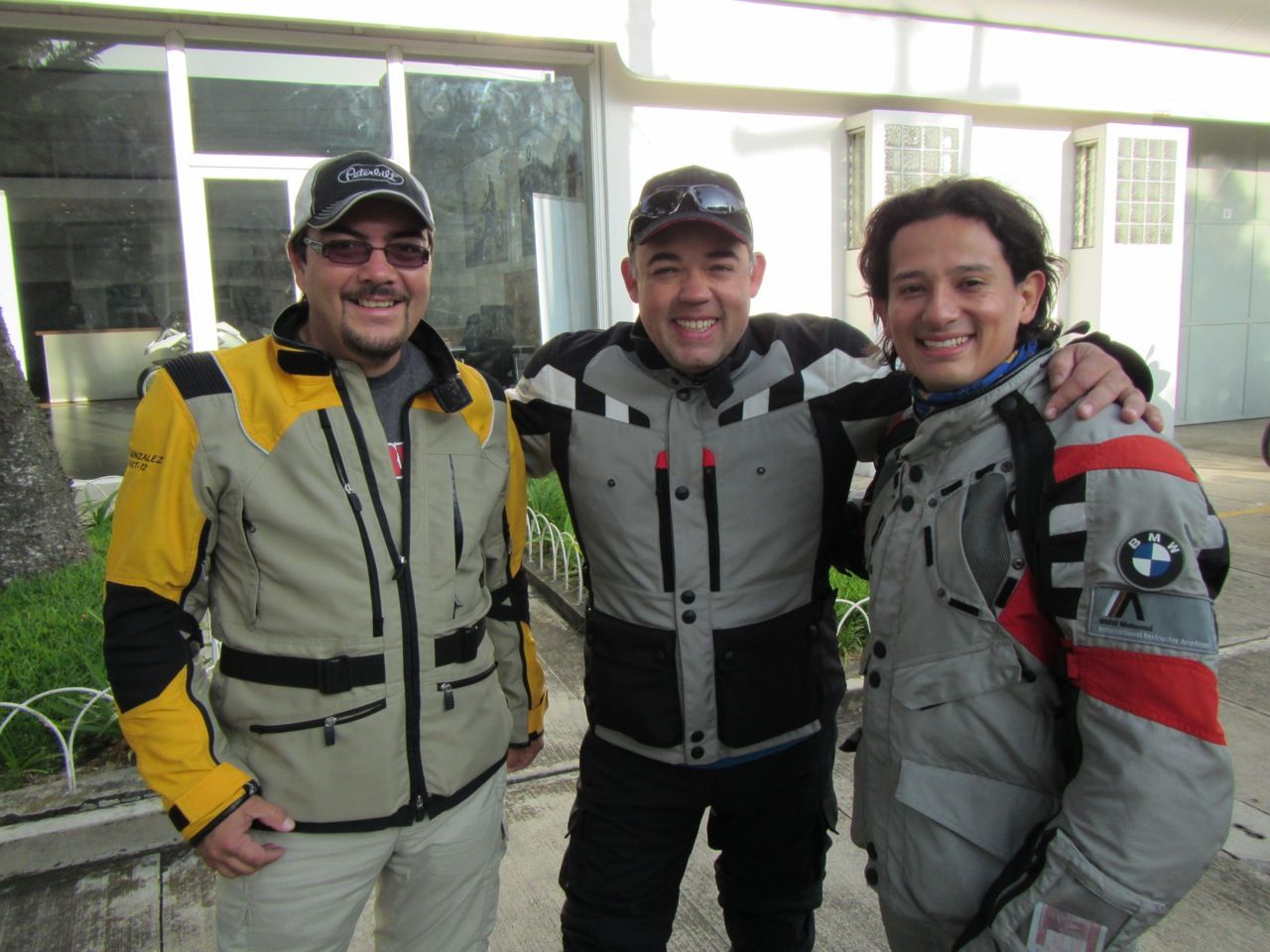
I had a bit of a text dummy-spit with the poor guy, saying that it was unacceptable because the low oil was a symptom not a cause. I was conerned they would put mineral oil in again etc. So I told them to do nothing and I would come down in the morning. Fortunately I had previously met the rider trainer Jose, and he spoke perfect English. Jose helped me out the next day and surprisingly I had a discussion with the head mechanic and the technician for almost an hour and they allayed my fears.
 The story goes something like this. I have been using synthetic oil in the motor for 40,000kms and it builds up a coating over the moving parts to form a buffer that stops wear and tear. When I was in Mexico I had an oil change at Guadalajara through the BMW dealer. It is normal in this part of the world to use mineral oil (the natural stuff) not synthetic so he didn’t think to ask. I only realised after he had changed it and I had some concerns at the time.
 Now mineral oil is made up of molecules that are different sizes, some small and some large. It is a little more abrasive than synthetic oil that has exactly uniform-sized molecules. It seems that using mineral oil after long term use of synthetic oil can scratch the coating created by the synthetic oil. When I changed back to synthetic oil, the smaller molecules travelled through the scratches created by the larger molecules, accessing the combustion chamber and burning. Hence a higher consumption of oil.
 Now this was explained to me by the mechanics so I ran the explanation by my Australian mechanic who I use as my BMW guru. He agreed that it was a plausible and likely explanation. All agreed that a few thousand kms using synthetic oil will seal up the ‘scratches’ and the oil consumption will reduce, hopefully back to where it was, which was nil.
 At the same time I had been having a periodic loud noise from the front of the engine when I start it. It has happened five times. To my surprise and relief the mechanics found a faulty timing chain tensioner that was replaced and now is running normally.
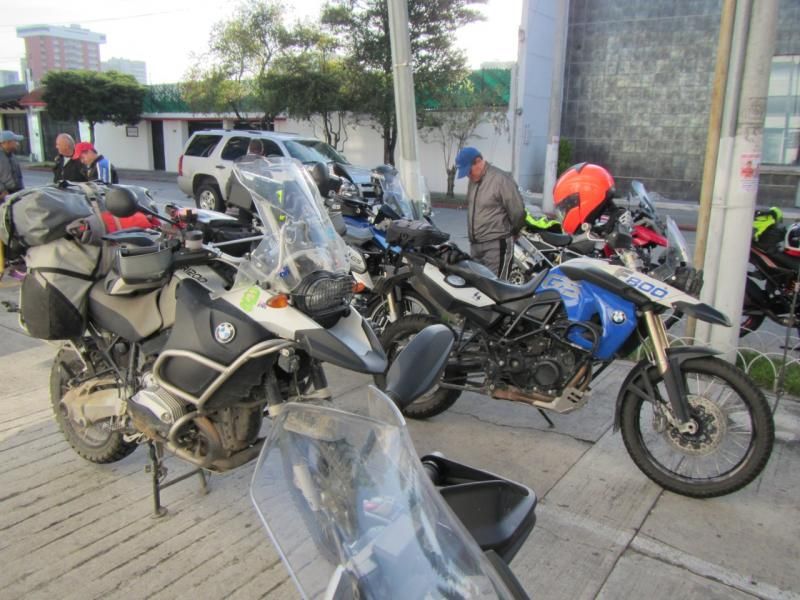
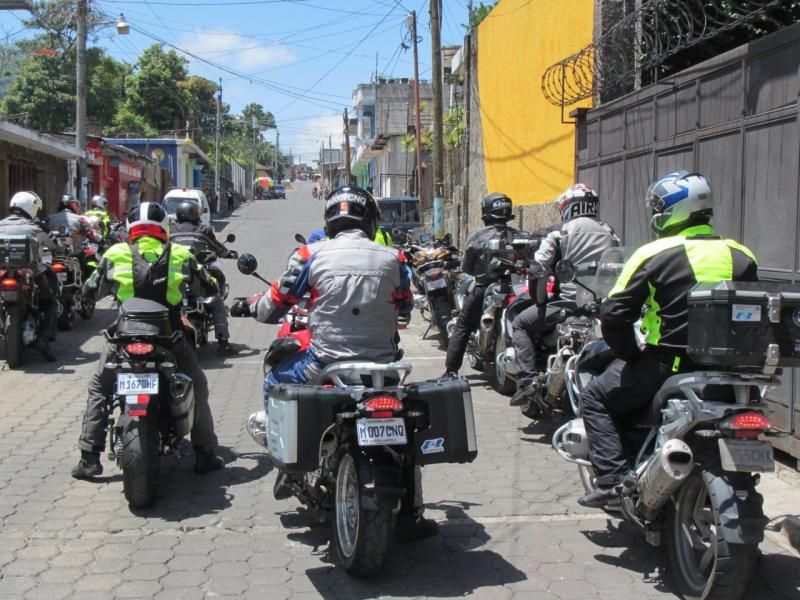
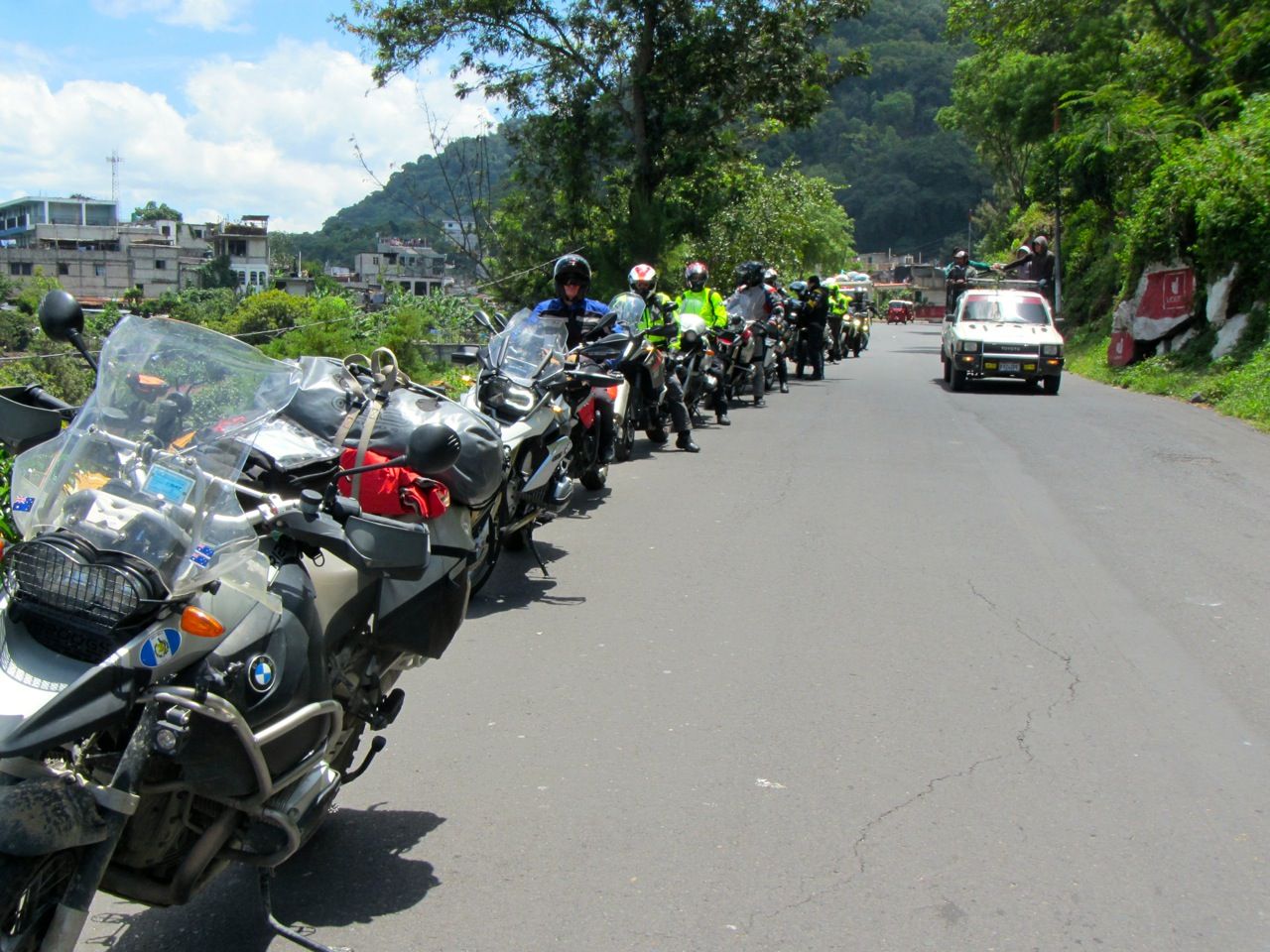
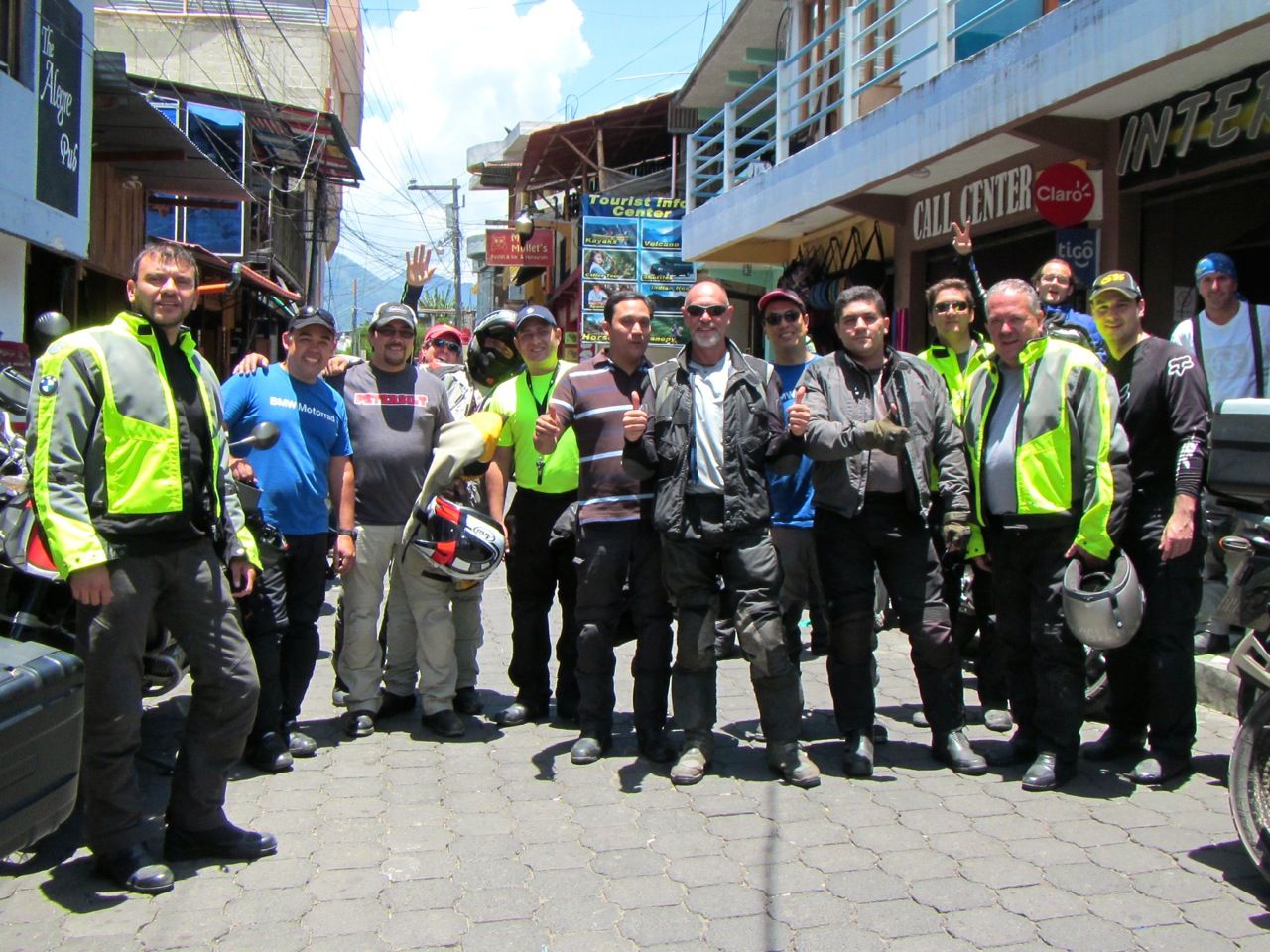
 So with luck these were causing all the problems and so far Ziggy is feeling back to normal and hasn’t used any oil yet. Once the work was done, I went for a Saturday morning ride with Jose (the instructor from Bavaria Motors) and twenty other riders, from the city to Lake Atitlan. 
It is awesome riding with a large group and it made a big impact on the little towns that we visited on the way. 
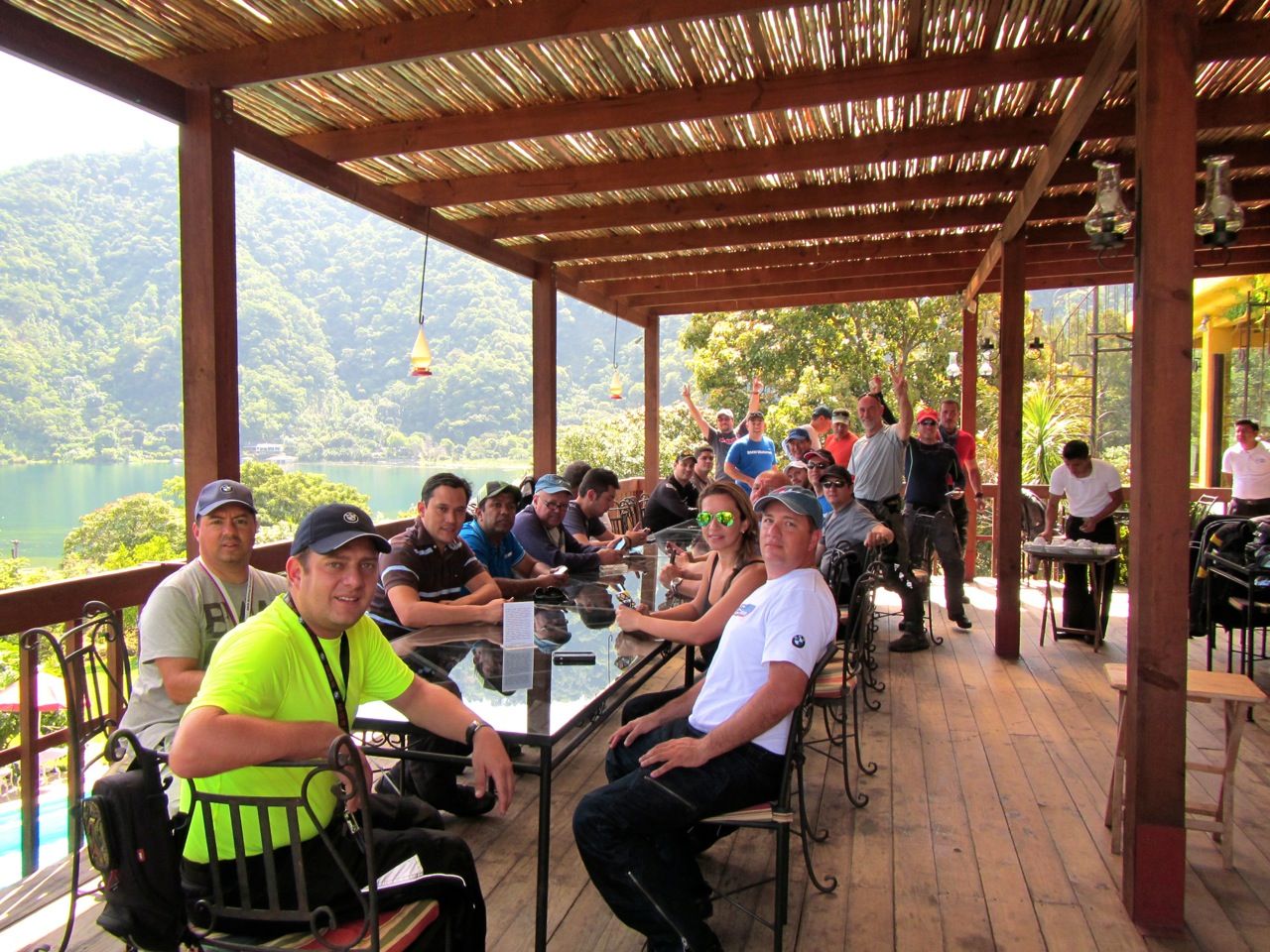
We stopped for a nice breakfast along the way.
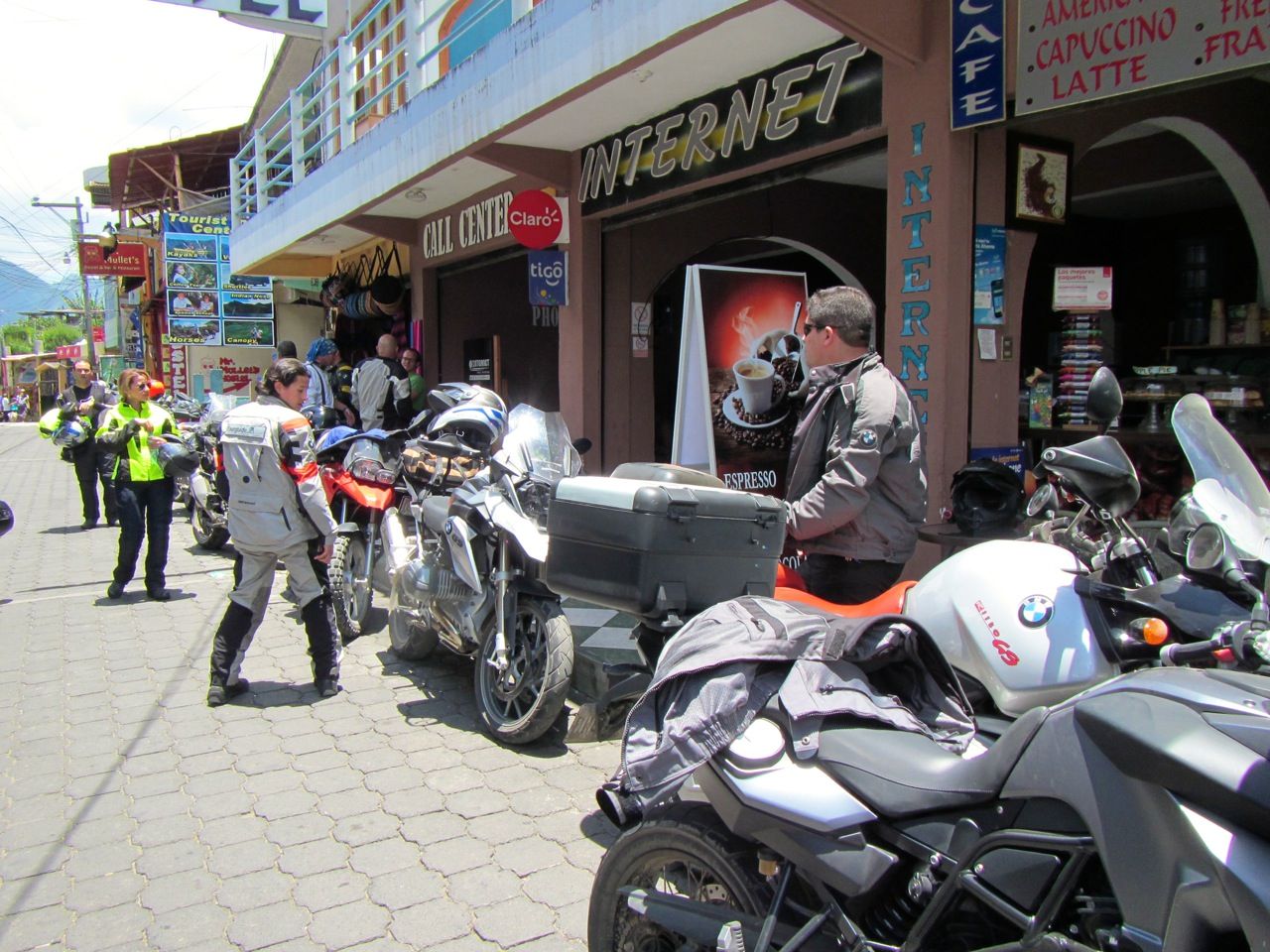
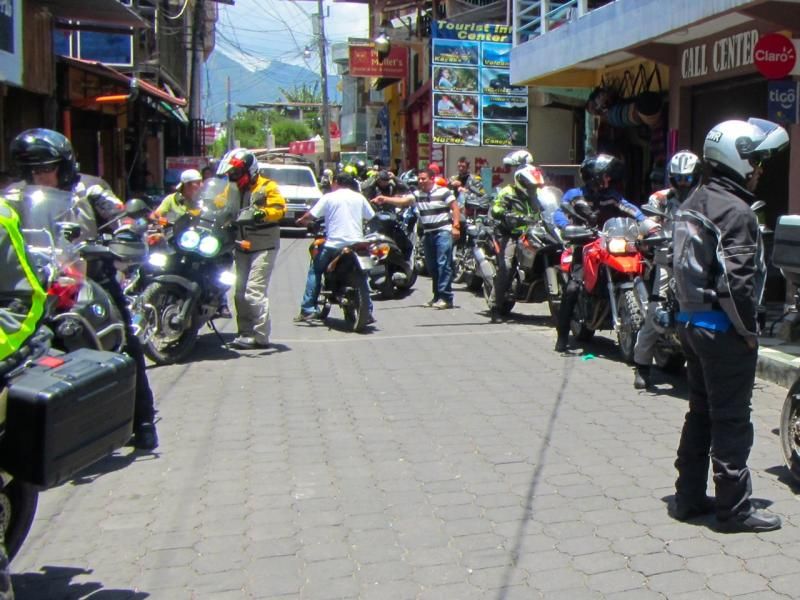
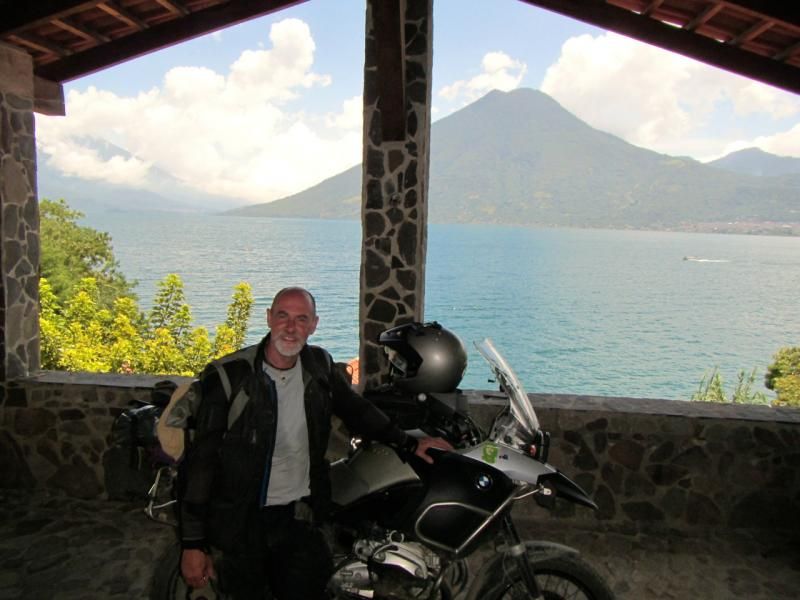
Then stopped in at San Marcos at Lake Atitlan.
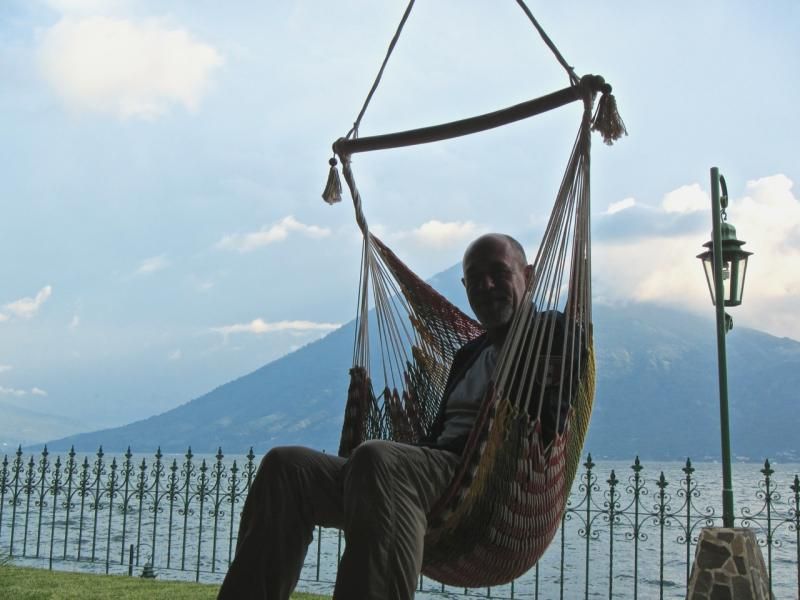
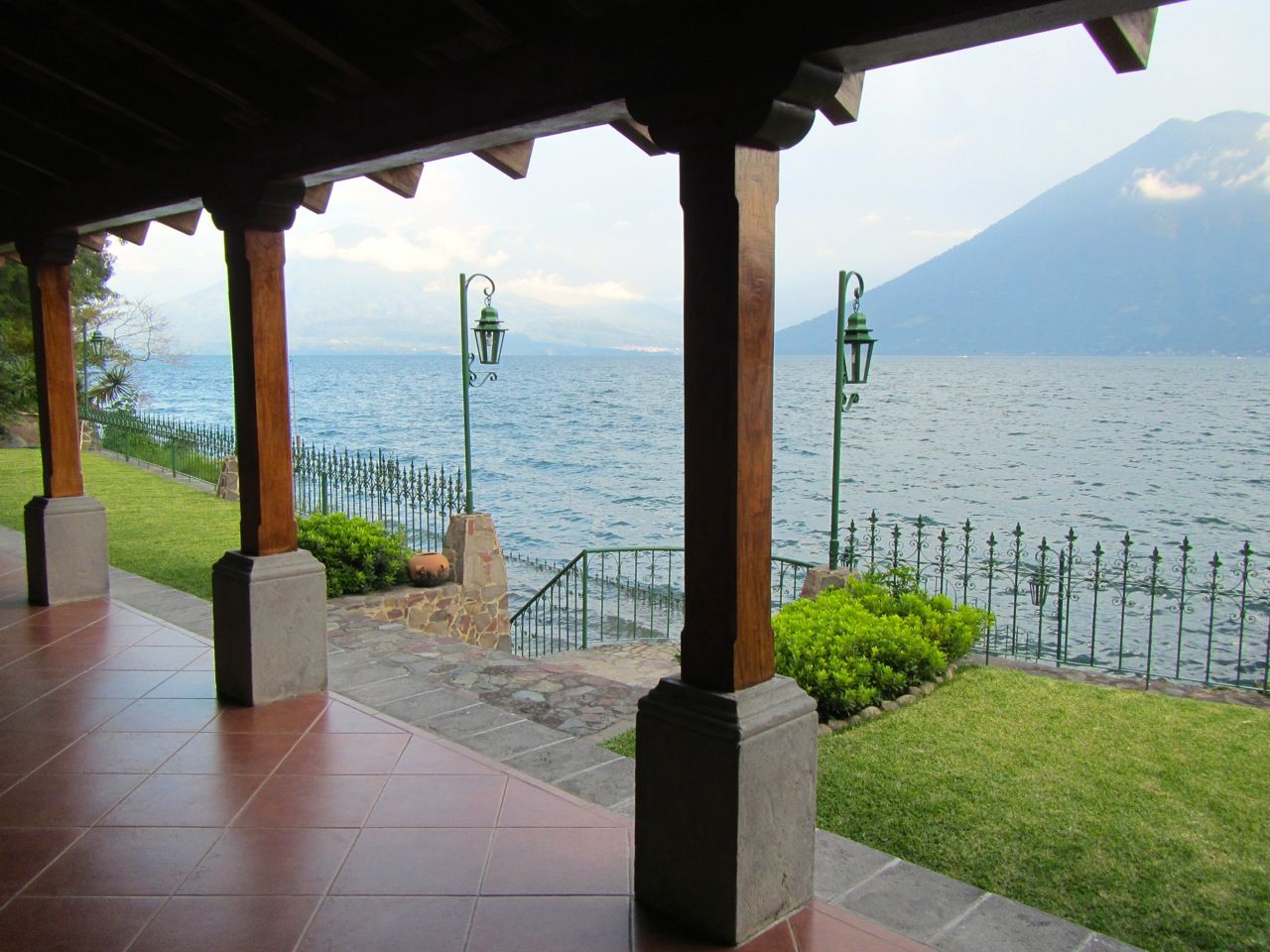
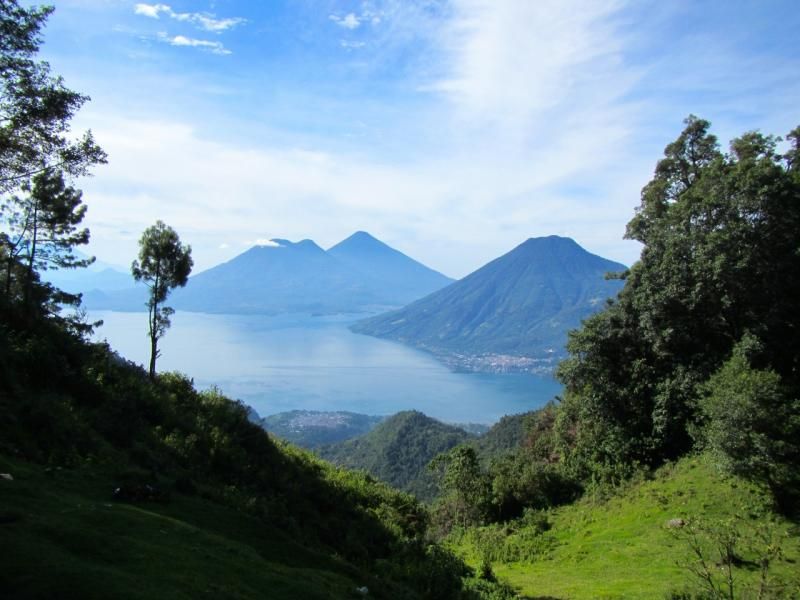
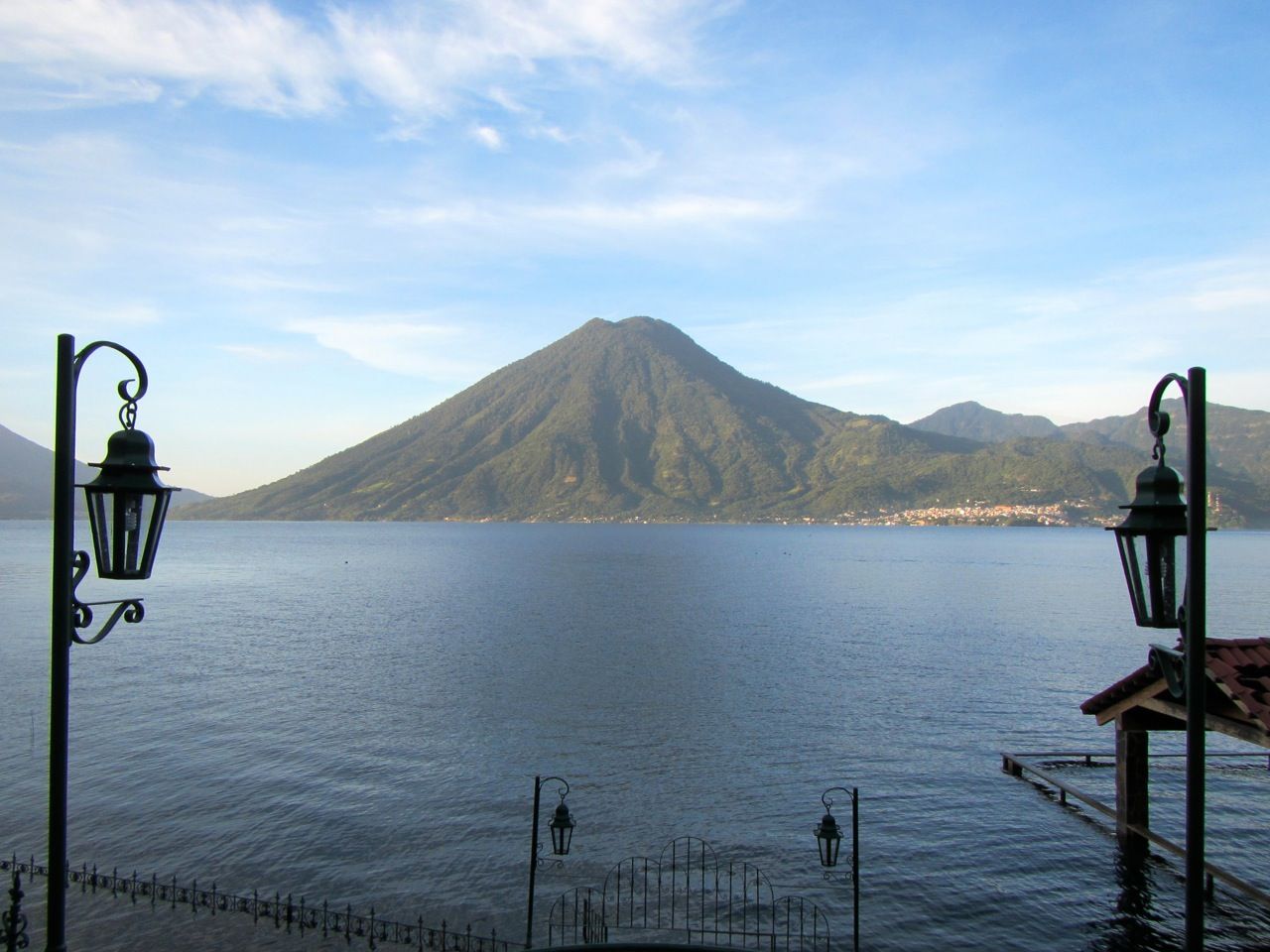
I stayed in San Marcos with my now good friend Cisco at his waterside house. It was a nice relaxing weekend sitting and staring at the volcanoes across the lake. 
A very tranquil place near where I started my journey in Guatemala but now I was in my last weekend, getting ready to ride to El Salvador. But Guatemala had one more challenge for me. First the driveway,
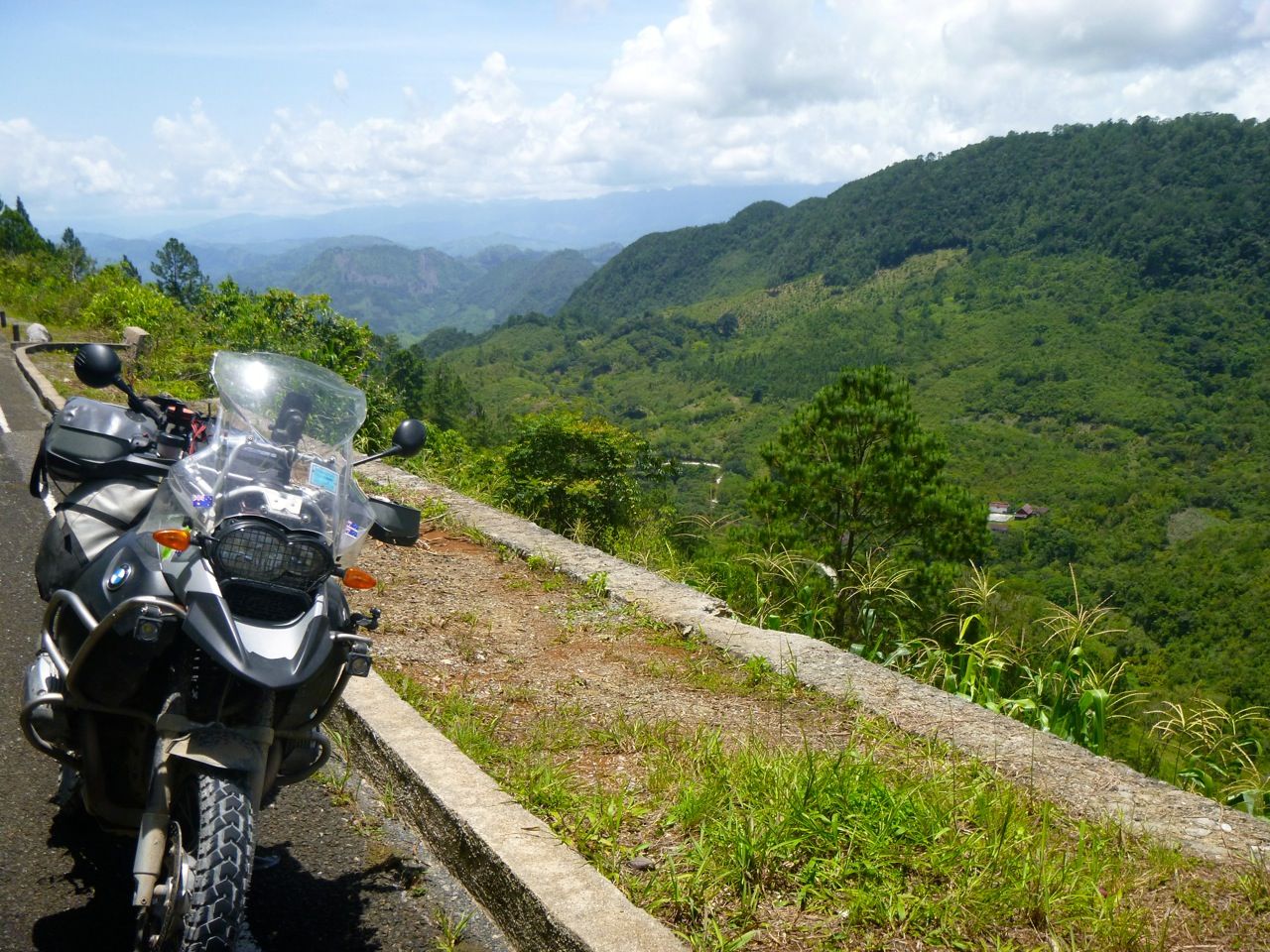
which I negotiated without a hitch, but the steep twisty road to this view
saw me fall for the fifth time in Guatemala, this time on the tar. El Salvador beckons.
The tough road from Semuc Champey

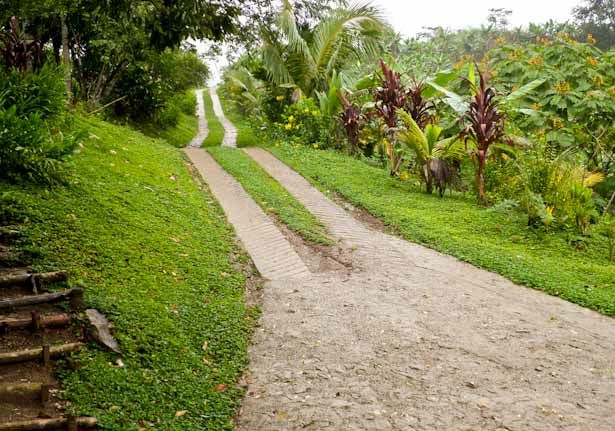
In the morning I was still very sore but the injury was in a position that shouldn’t affect my riding too much. The driveway into Utopia was a bit understated earlier. It was extremely steep with two parallel concrete strips with grass in the centre and either side. It had rained quite a bit over the three nights I was here and the grass was wet, but the sky and concrete were dry.
On the way here I had gradually tackled more and more difficult roads and as you progress during a ride you adapt to the changes. After three days of relaxing off the bike, it can take a bit of time to get your ‘groove’ back. I was not too far from the top of the driveway when my balance shifted a little and I felt the rear tyre slip off the concrete strip onto the slippery wet grass between the strips. The rear wheel spun and the bike suddenly flipped around 90 degrees, throwing me off up hill. I jumped up and cut the engine and assessed the situation.
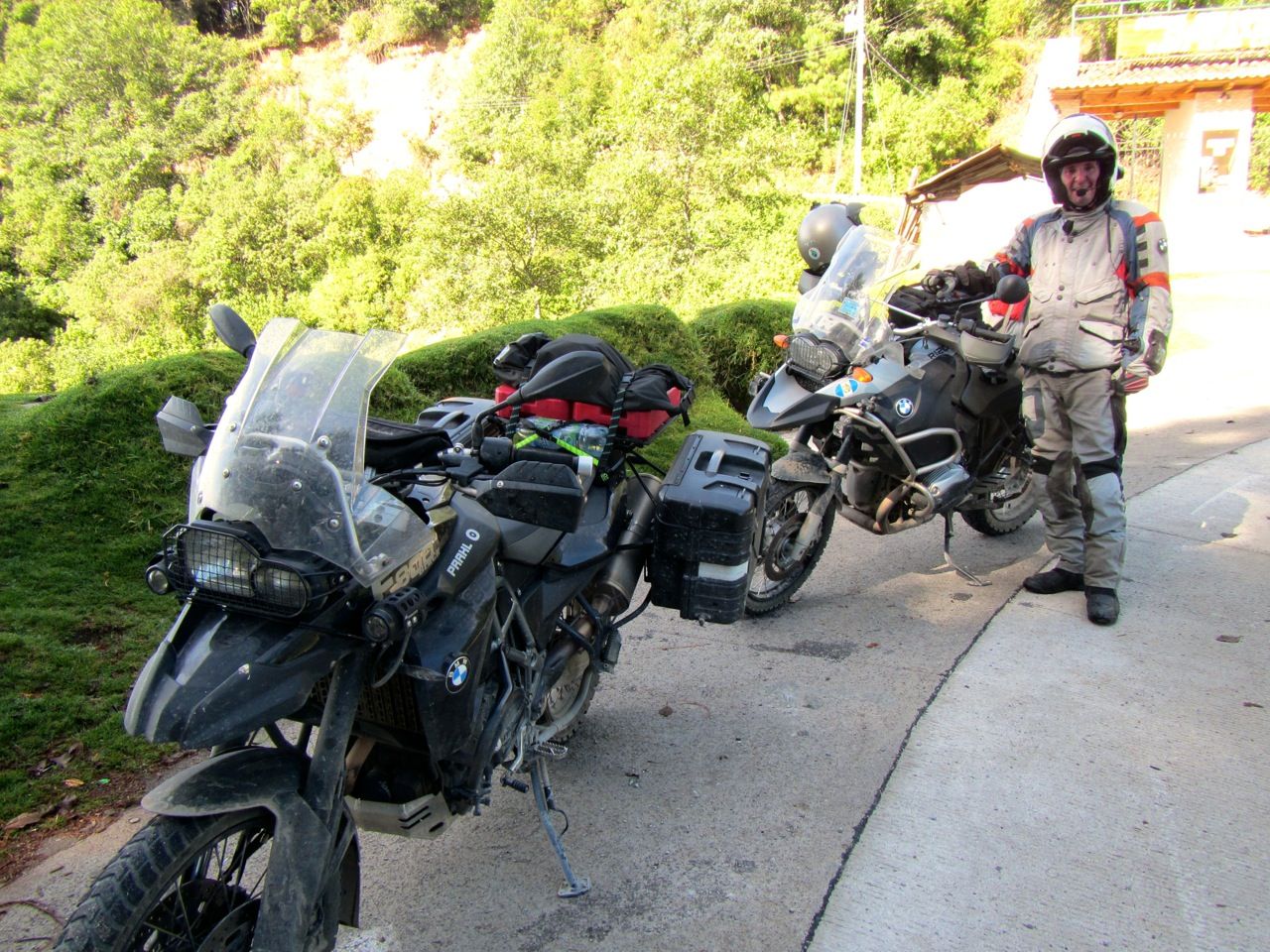
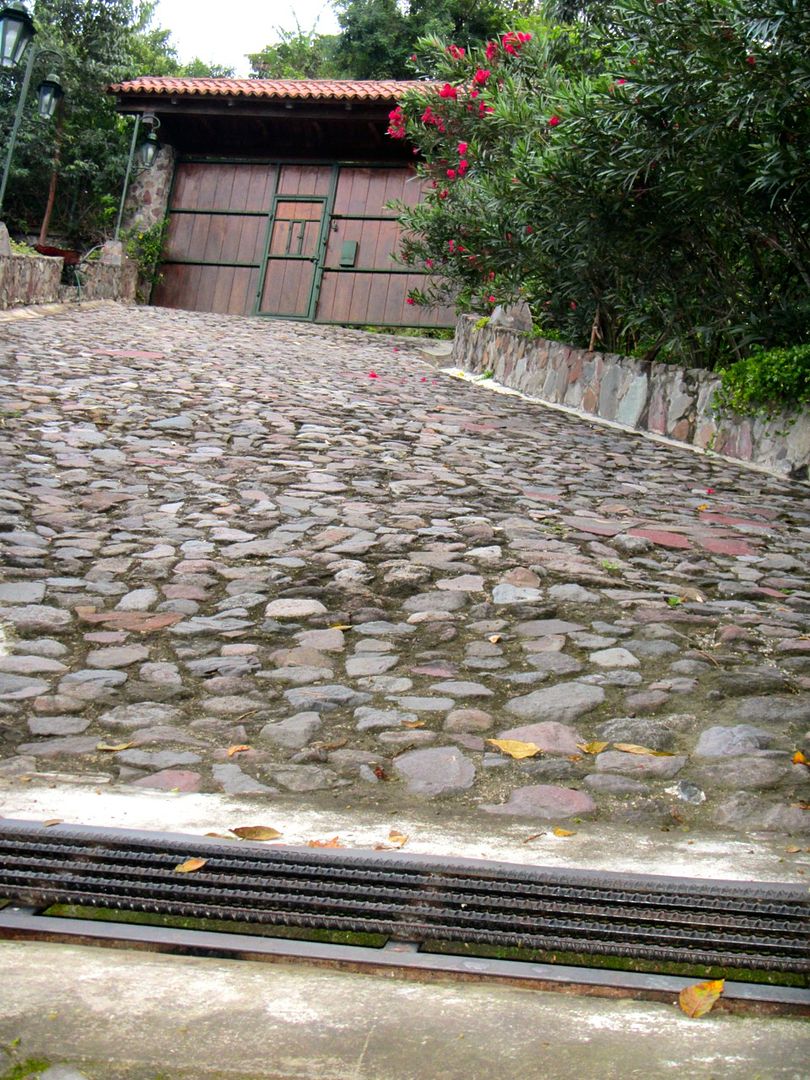
 I was unhurt and Ziggy will be fine, but now I was on a steep slope having to stand the 300kg machine up. Two of the staff raced up after hearing the revving of the engine and assuming the worst. We lifted the bike to get the rear wheel back on the concrete and walked the bike up rather than trying to get on again here. Thanks a lot guys, couldn’t have done it by myself. Another of the moments I should have had my camera out but didn't!
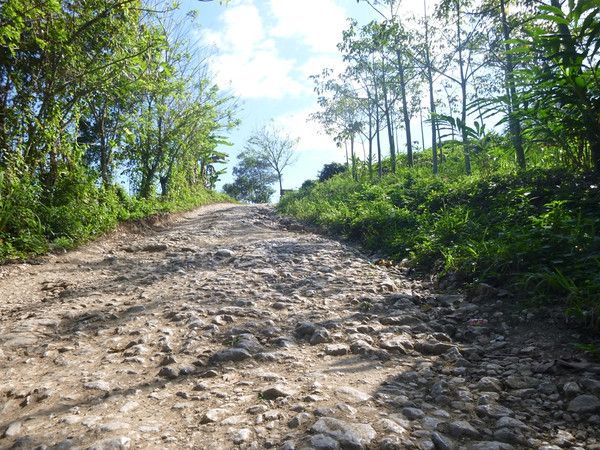
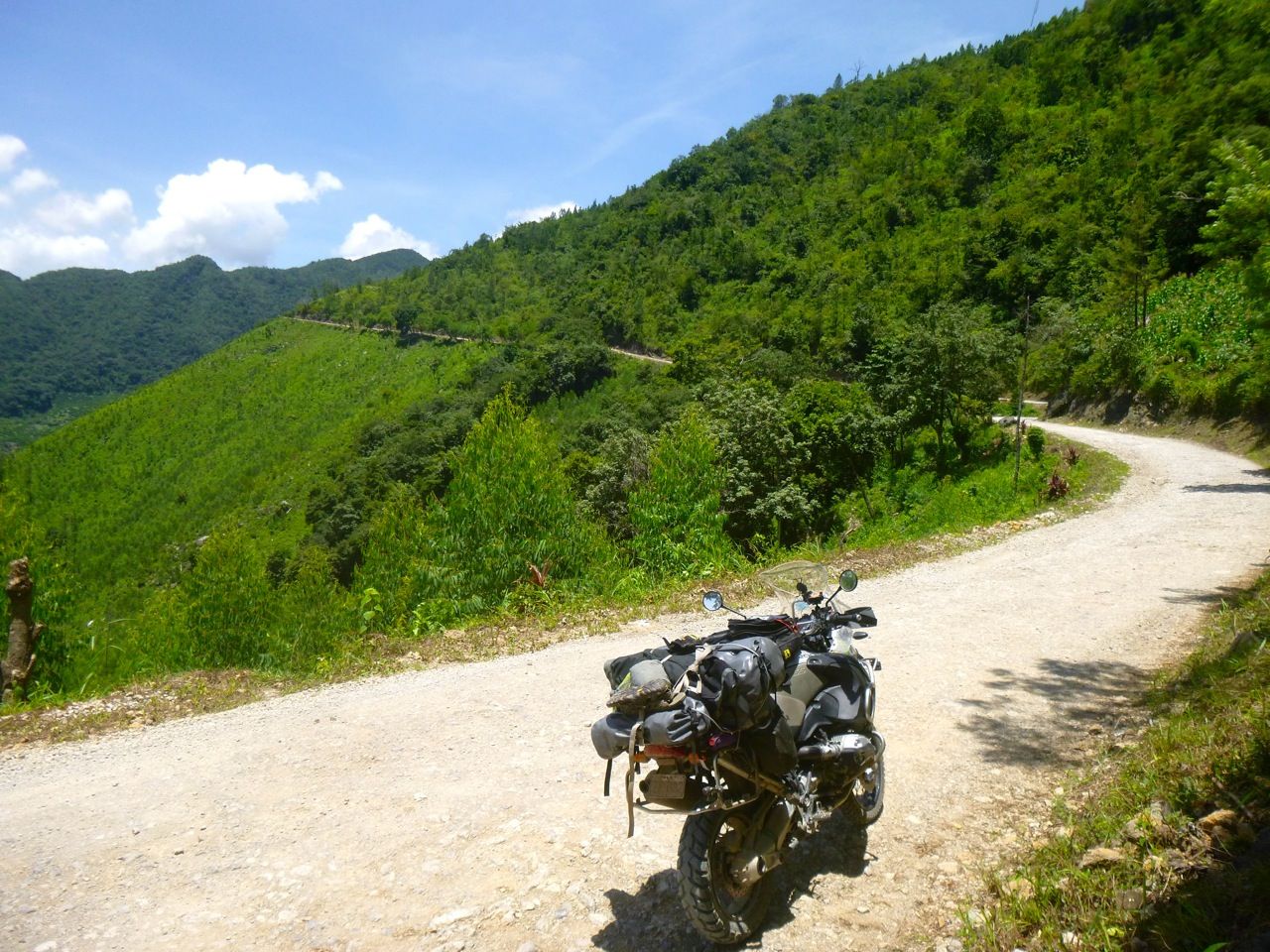
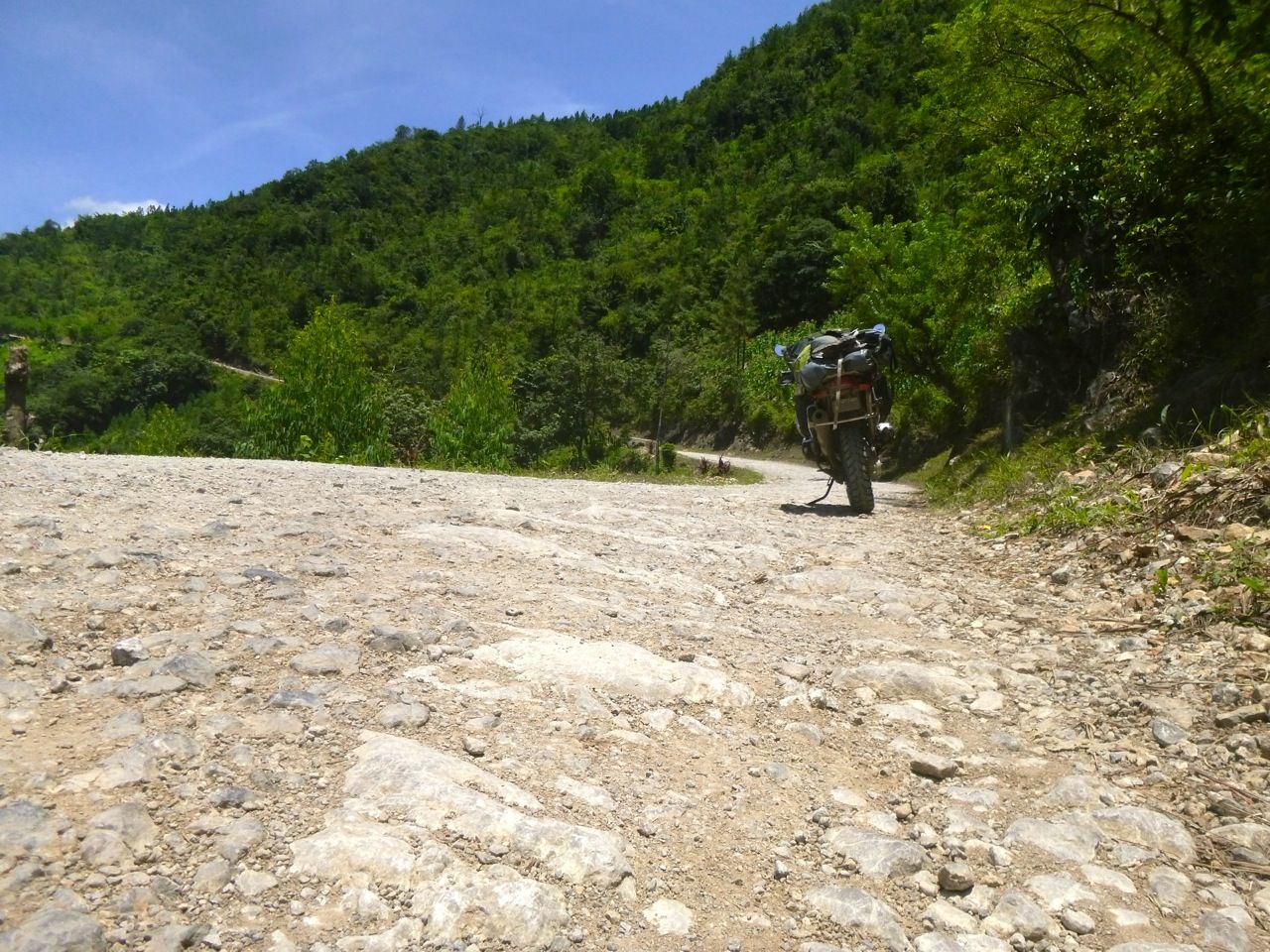
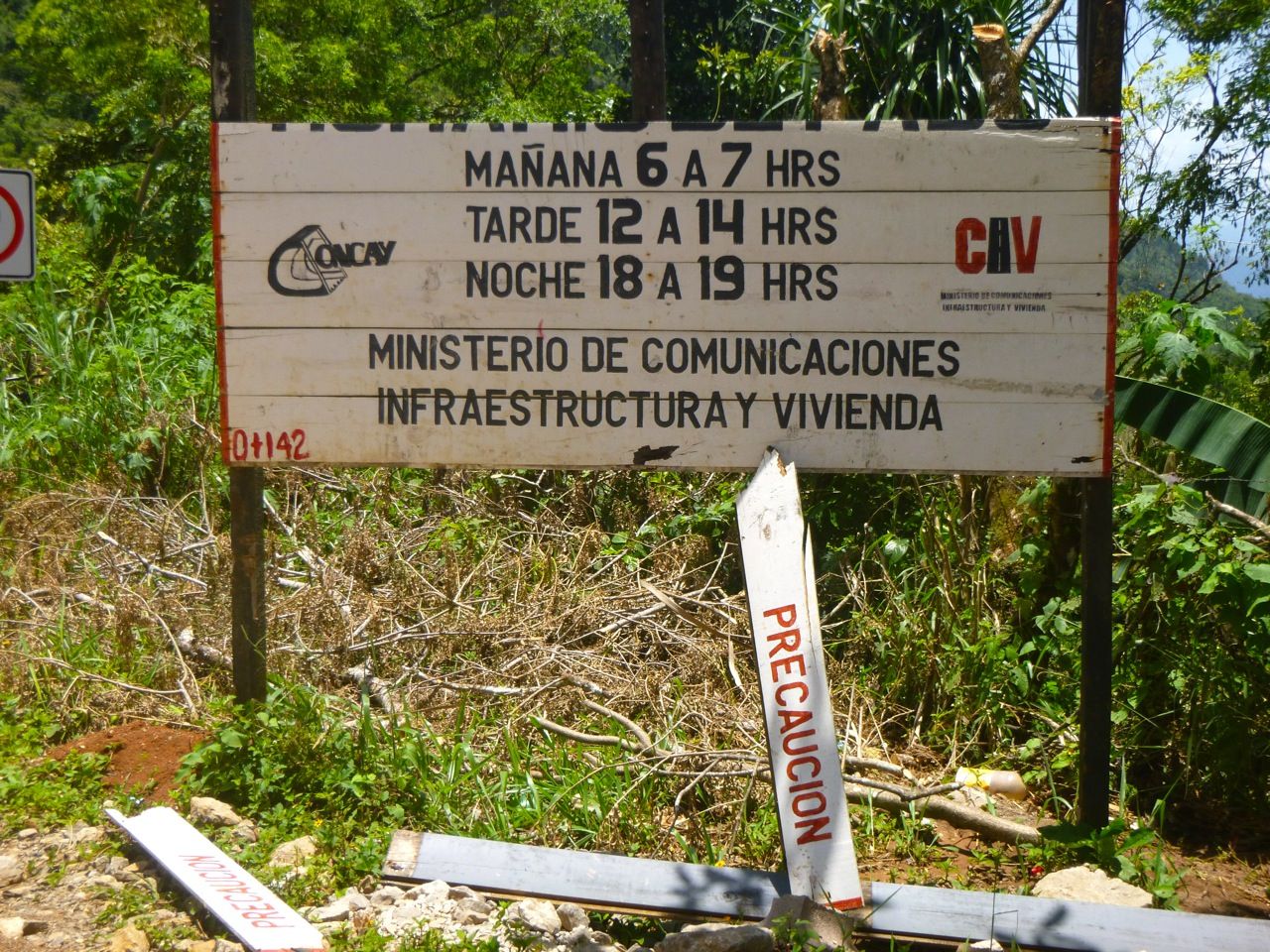
 It always shakes you getting thrown off a bike and these slopes are treacherous. Gravity is not your friend going downhill especially, but anytime on steep slopes I personally find it challenging and pretty scary on the dirt. The adrenalin was pumping and I could feel my chest heaving. I thought about the 20 kilometres ahead, without a doubt the most difficult roads of the trip. I didn't stop to photograph the worst parts of the road. These are the better parts I could find a place to stop.
I settled my breathing and decided it was time for some good positive self talk. It was time to put my faith in the abilities of Ziggy, this magnificent machine that has taken me on this six-month, 20,000km adventure without as much as a hesitation with anything I’ve put her through. I know Ziggy is completely capable of negotiating these roads and the only thing that can stop us is what I’m telling myself in my head.
It was almost two hours to get back to the tar road and by that time I was feeling good, Ziggy never had a slip or problem with any of the roads and I was happy with my mental game. I know I trust Ziggy’s capabilities and over time my skills have improved. These roads can be quite terrifying and takes a lot of experience to feel really comfortable, more so on a big loaded travel bike. My experience is mounting and this was a good test for me. I think I can take on much harder challenges than I could when I first entered Mexico and backed away from the tough off-road sections of Copper Canyon. The road to Semuc Champey is in the same ball park of difficulty so I was really proud of myself for taking it on and conquering my own fears.