Friday, 17 April 2015

Venezuela Mt Roraima Part 1


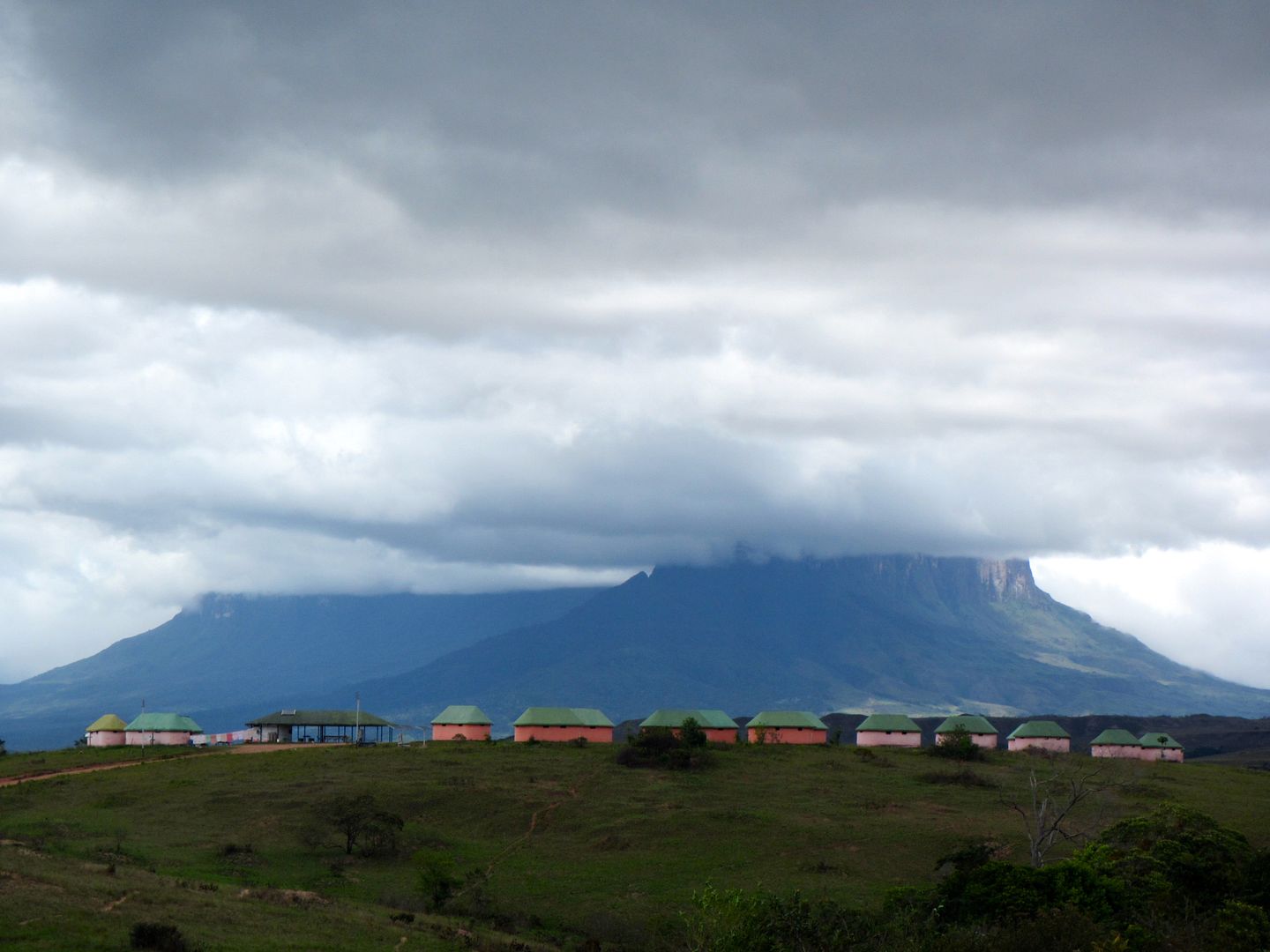
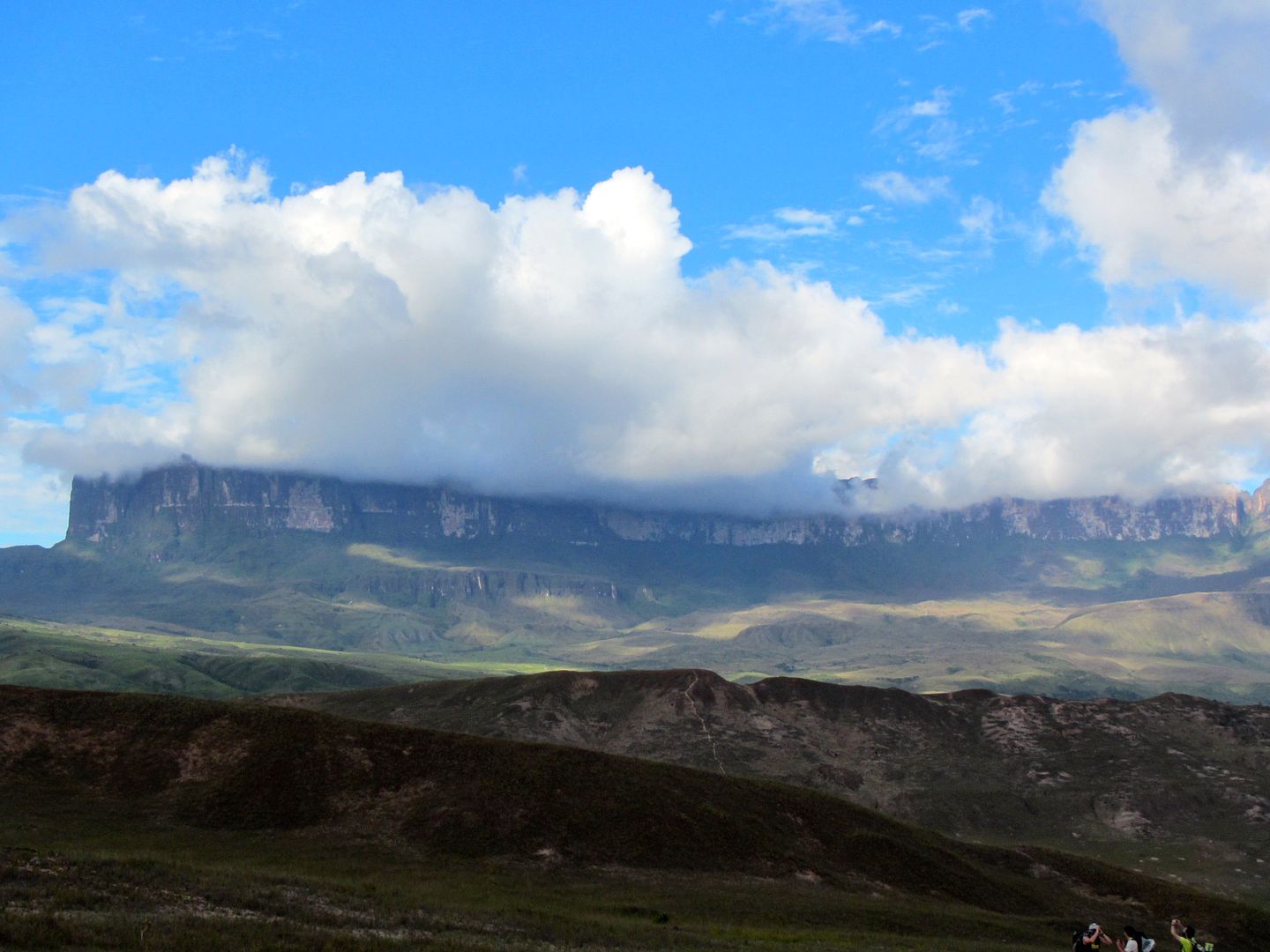
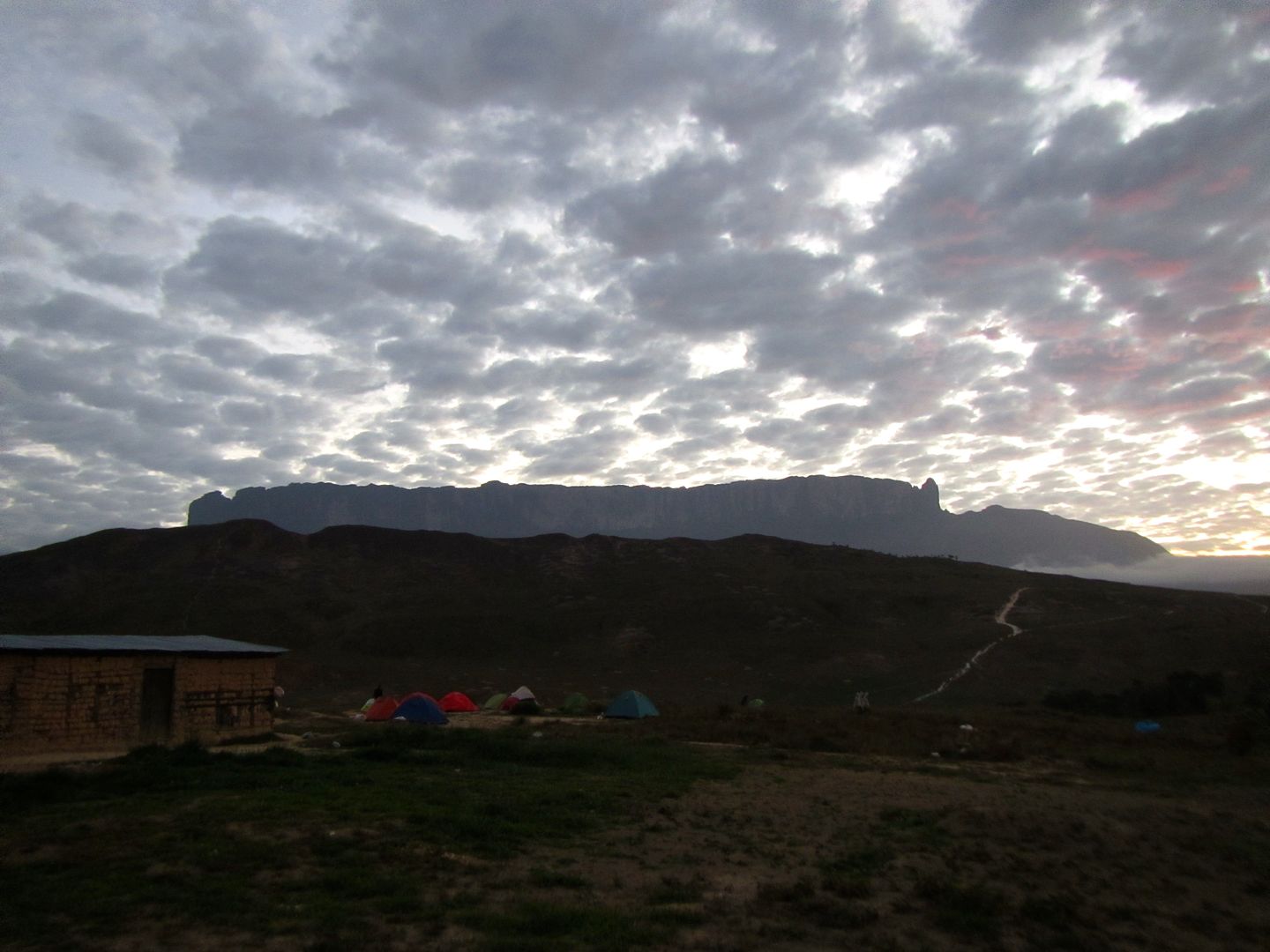
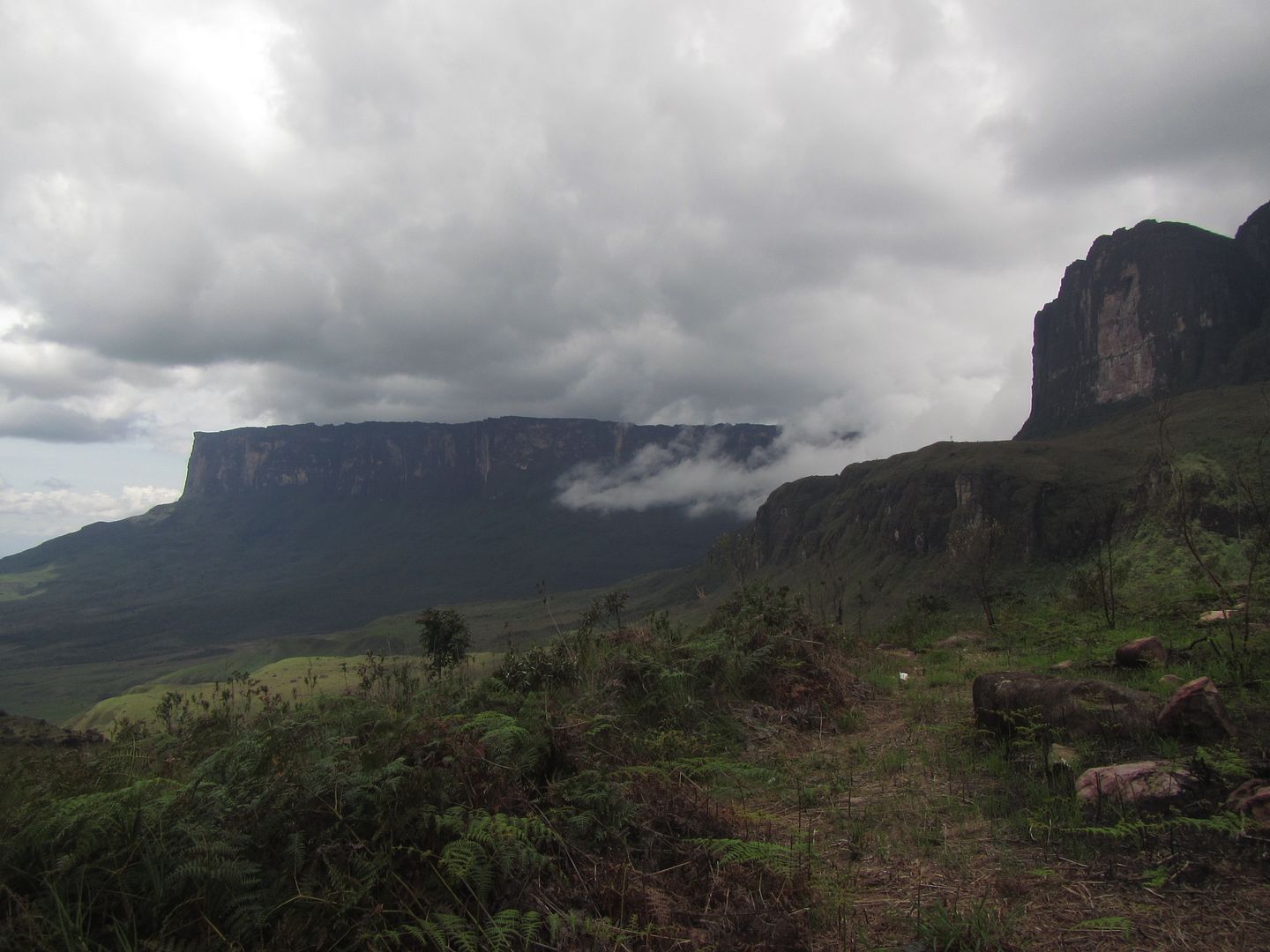
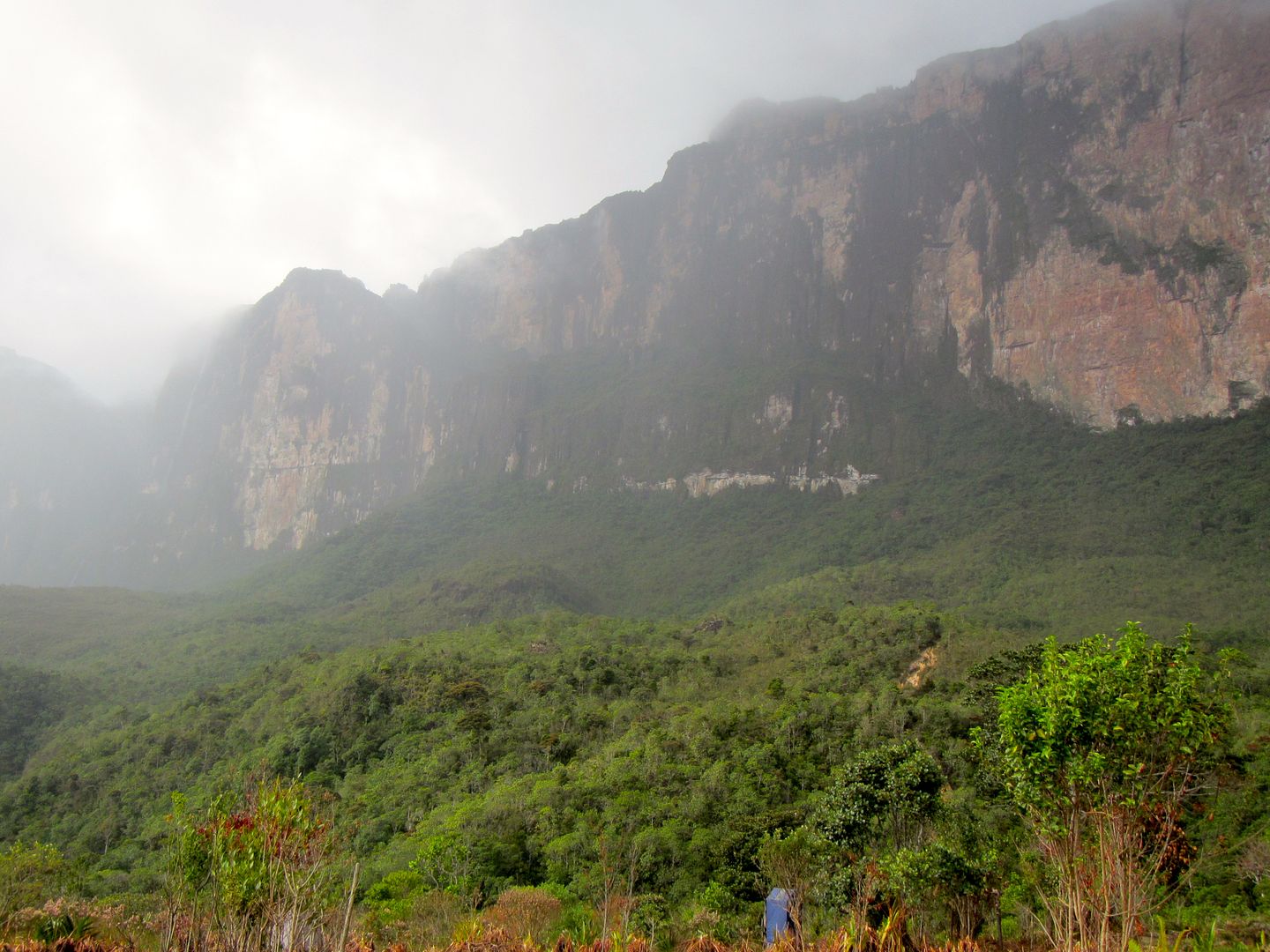
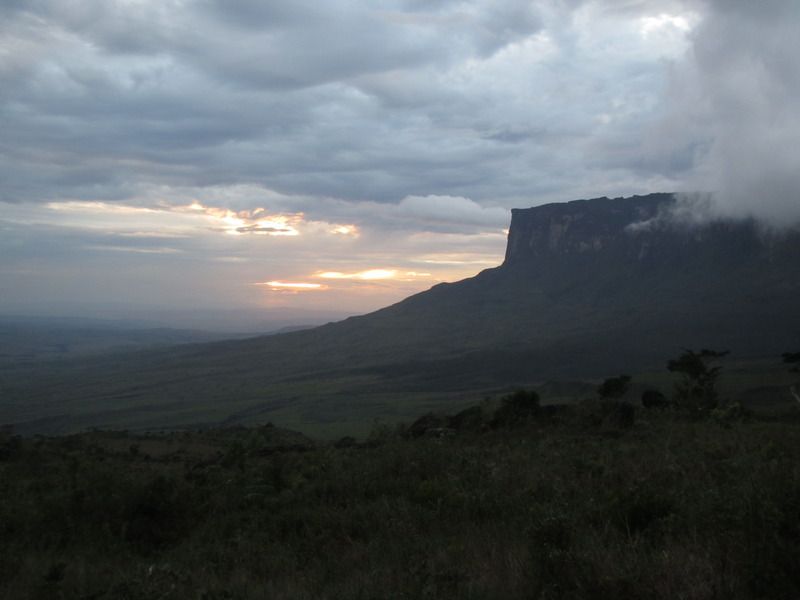
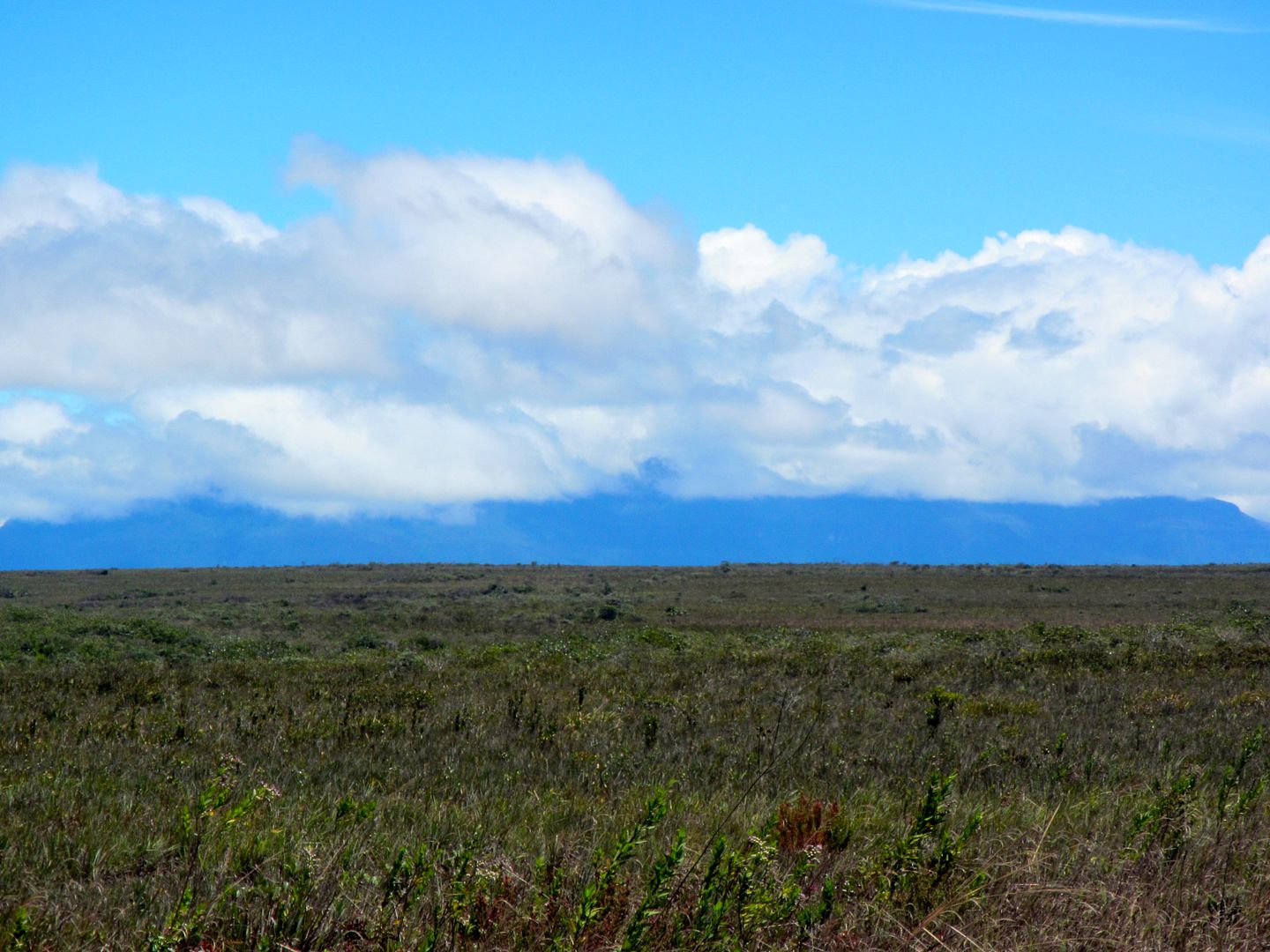
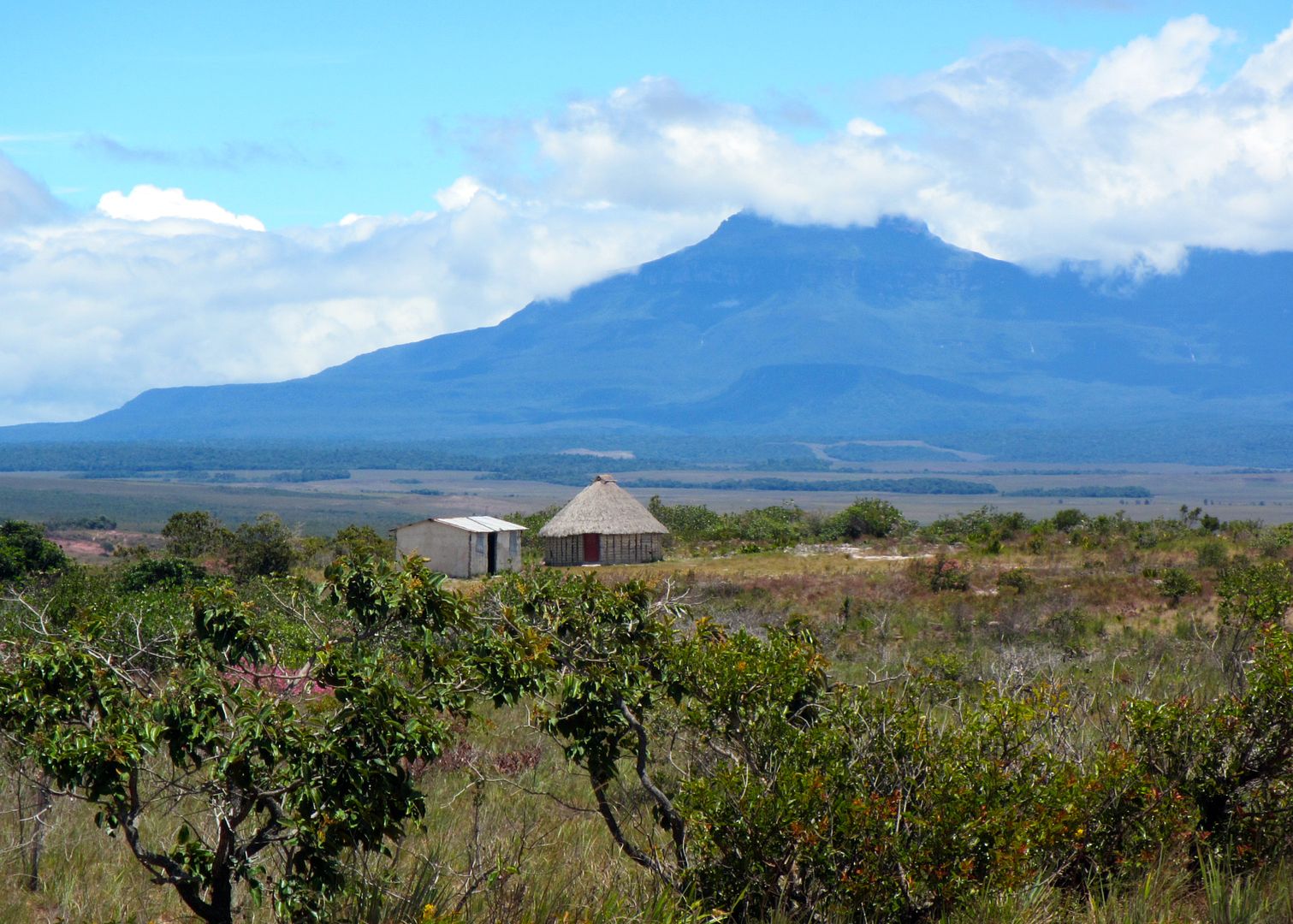
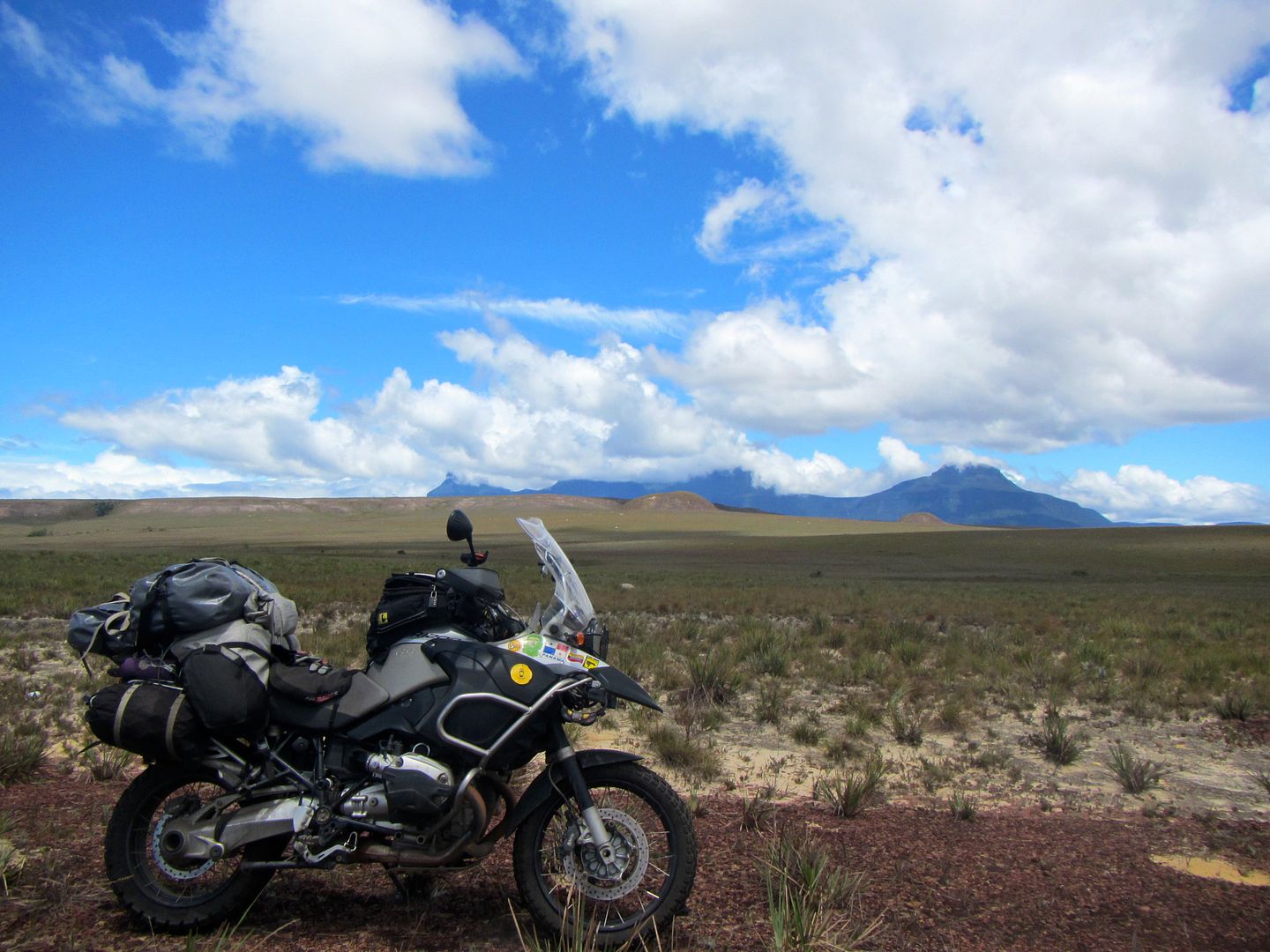
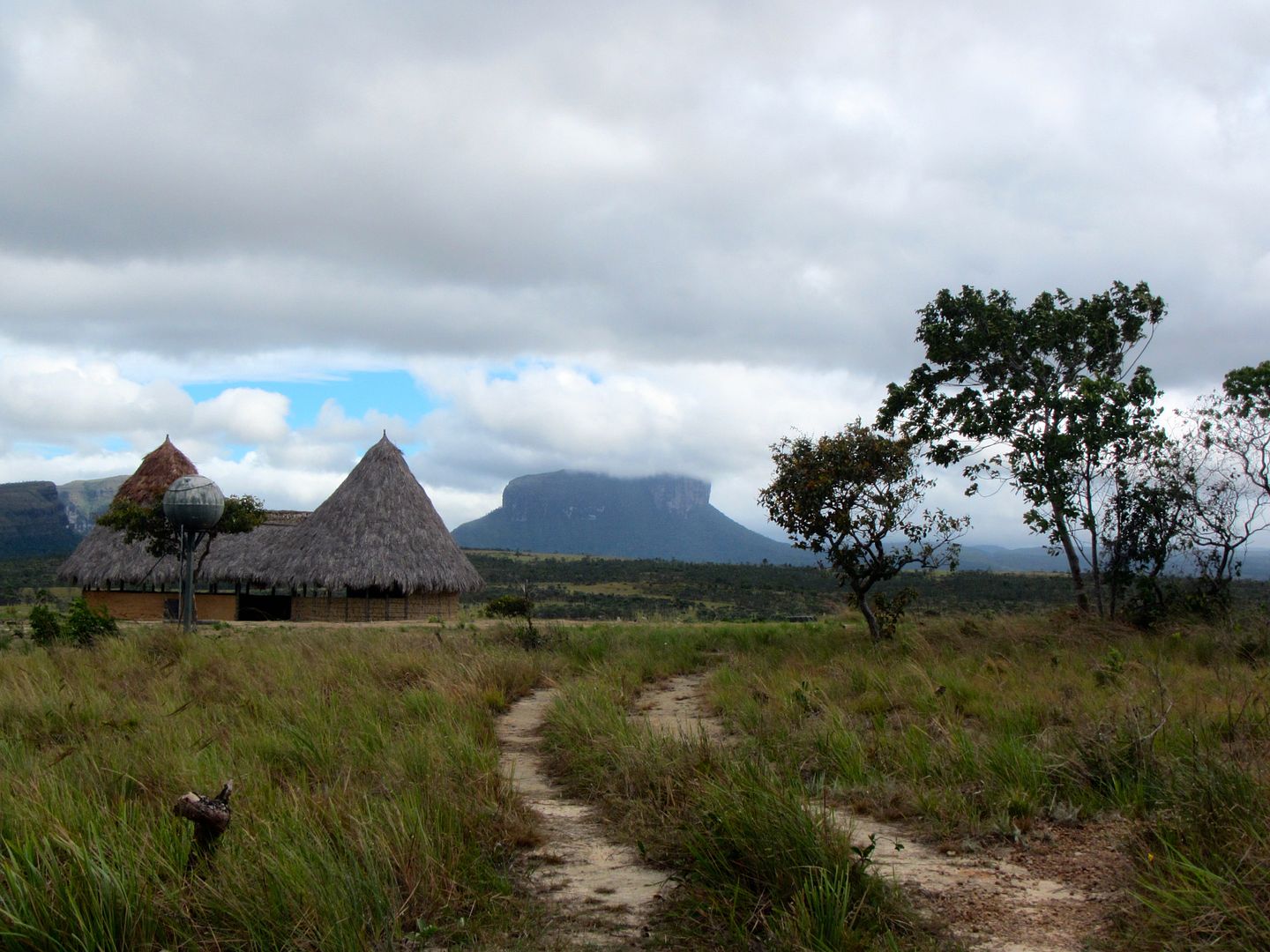
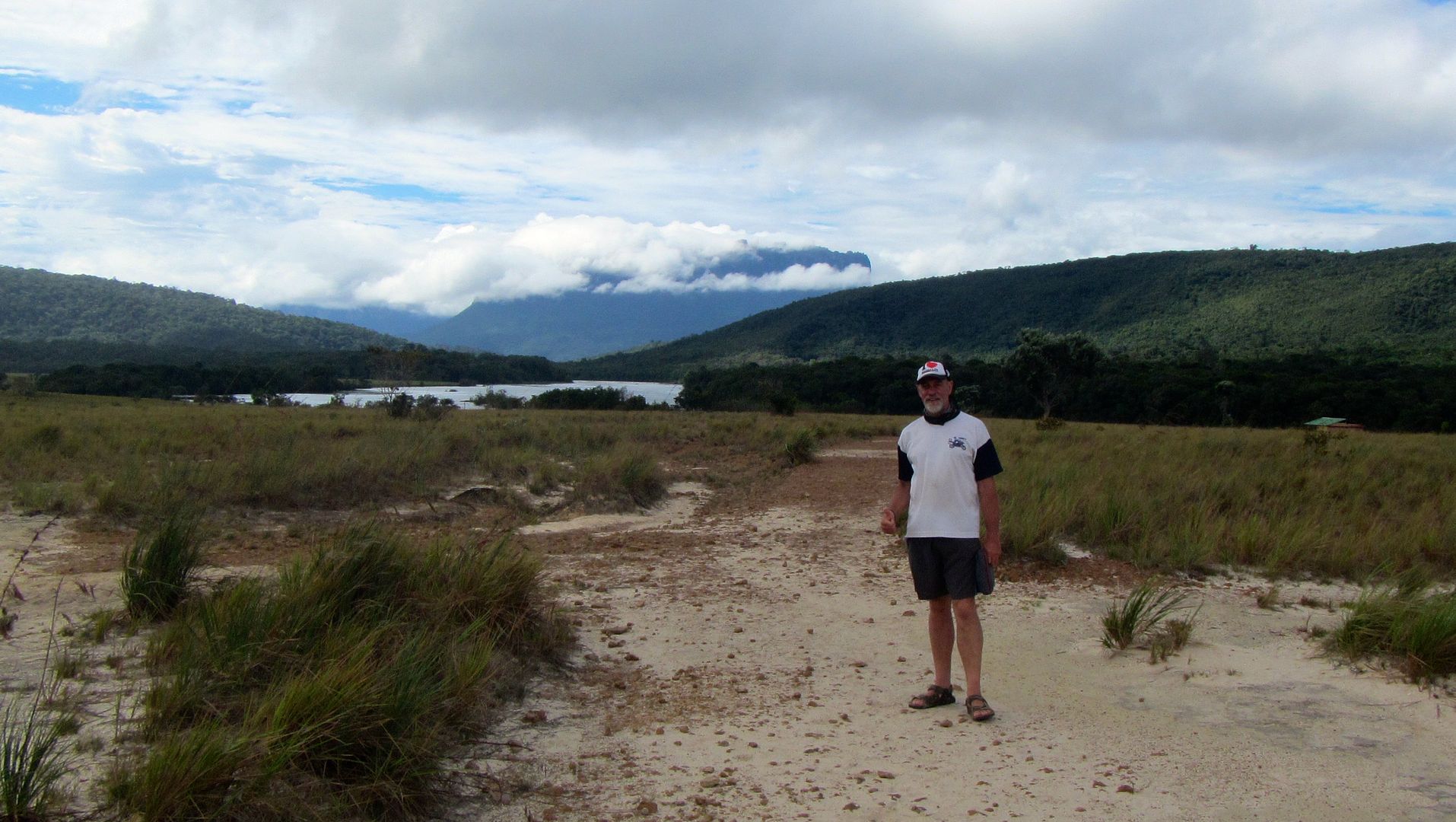
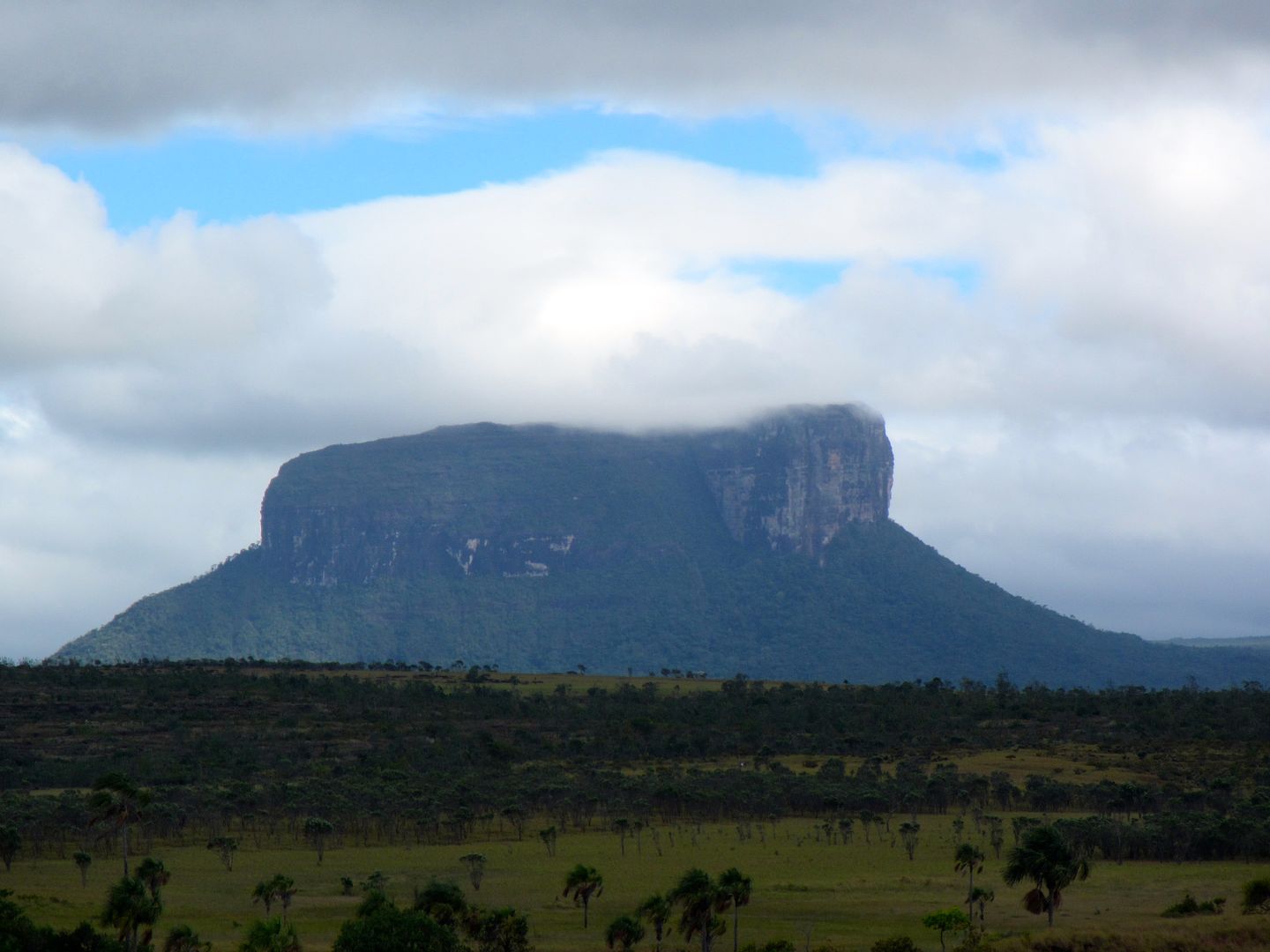
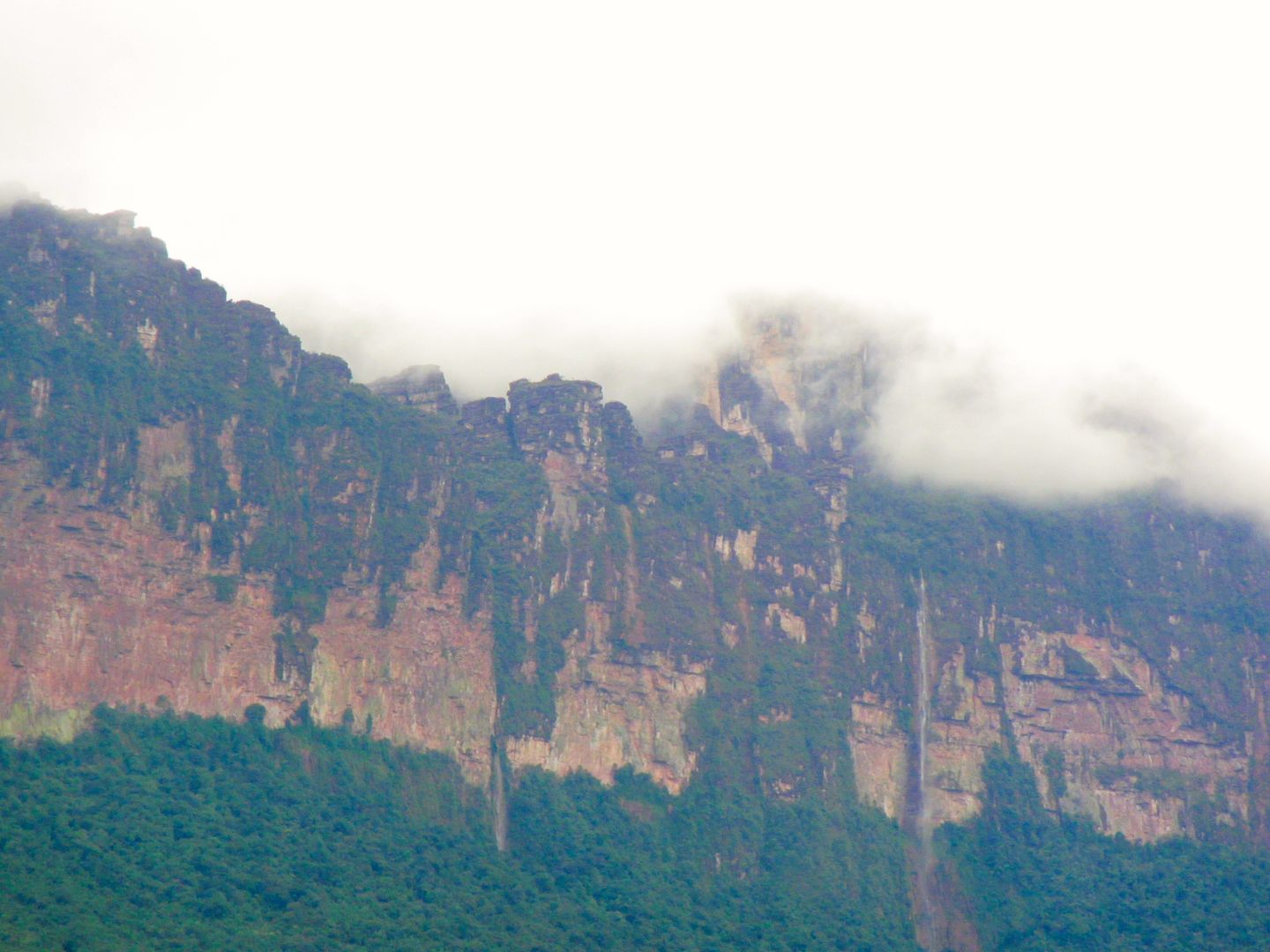
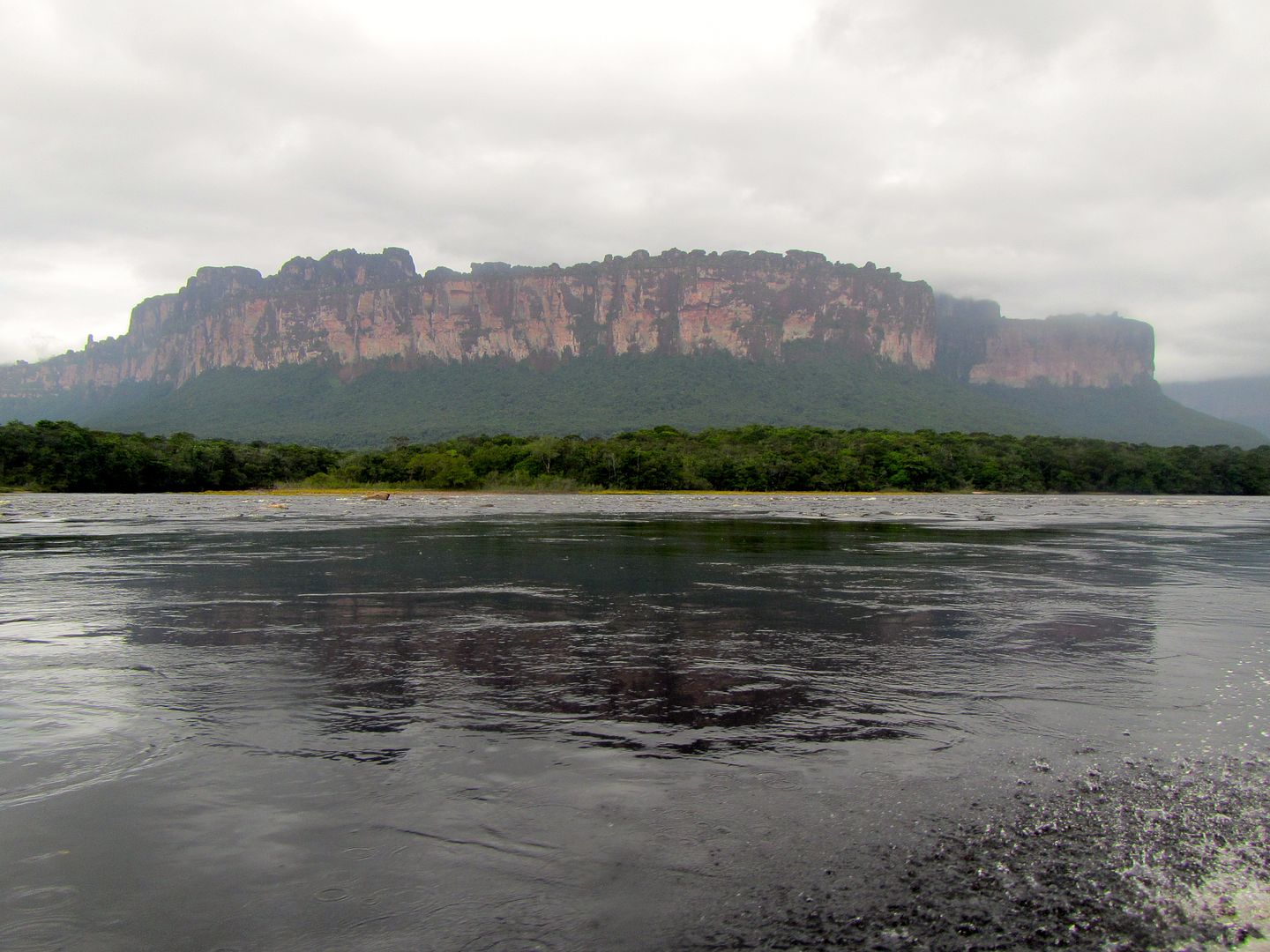
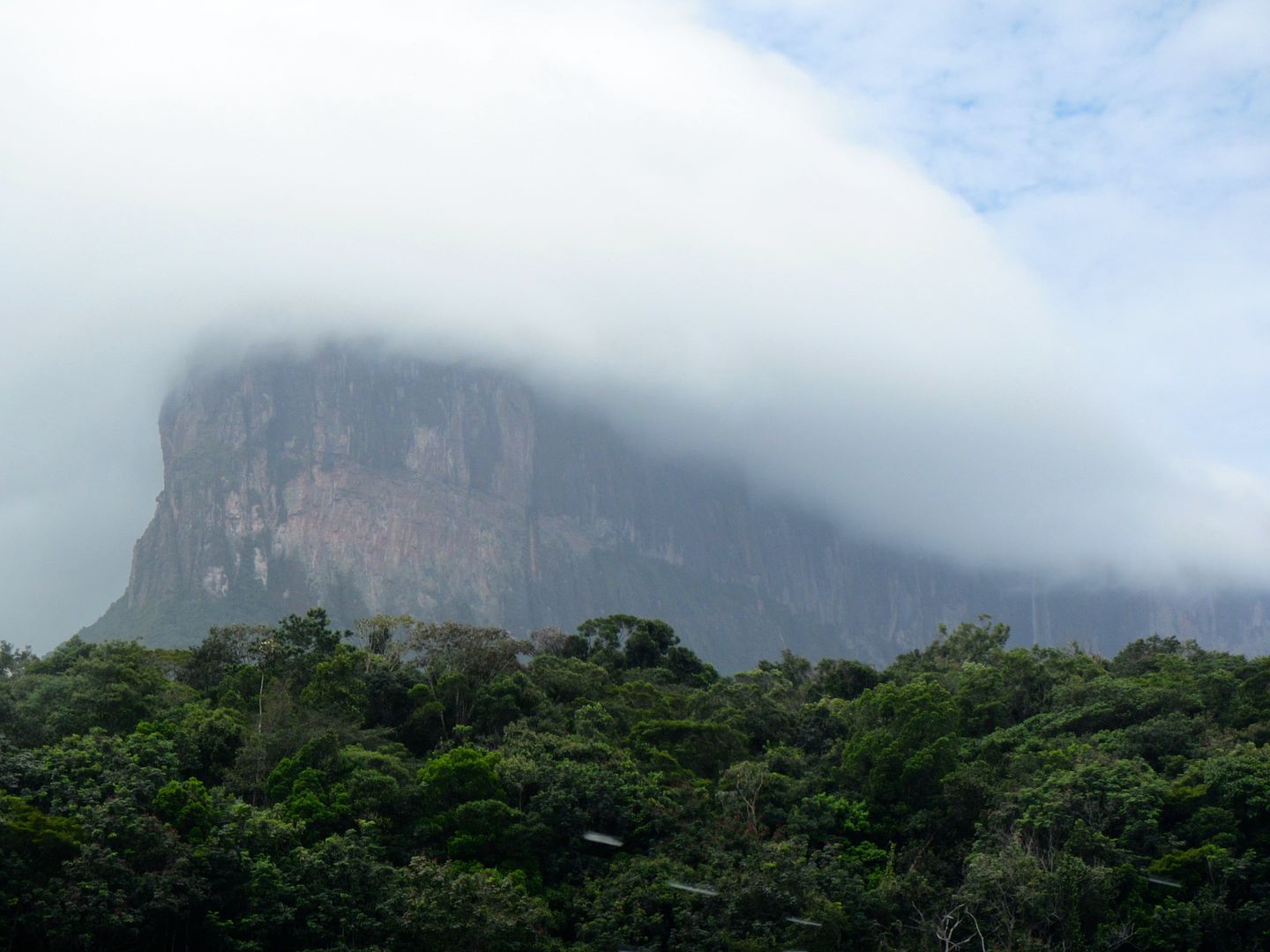
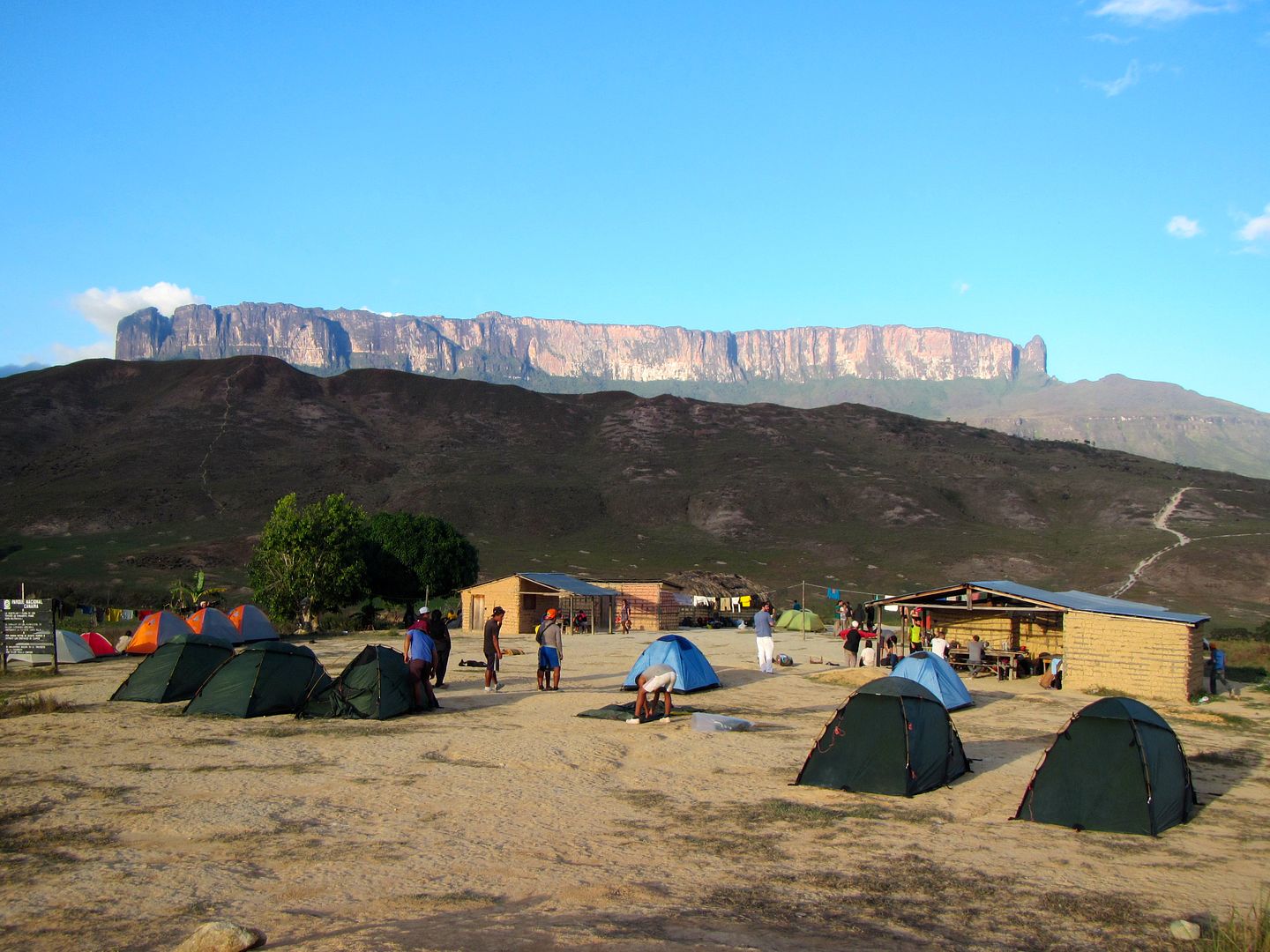
We headed off at around 9am for the hour-long drive in the Toyota Troop Carrier to the small Pemón township of Paraitepui, located along a narrow, potted and rutted dirt road winding up and down hills, higher into the mountains. In the distance Mt Roraima and its sister Mt Kukenan loomed high above the surrounding landscape, the clouds typically hanging on to the summits and creating artistic masterpieces. 
This is the dry season but it can rain every day on the mountain tops so we are prepared for all weather. The road is dusty but the deep ruts and gouged sides are testament to the deluges that frequent here during the wet season, making these roads difficult to impossible to pass.
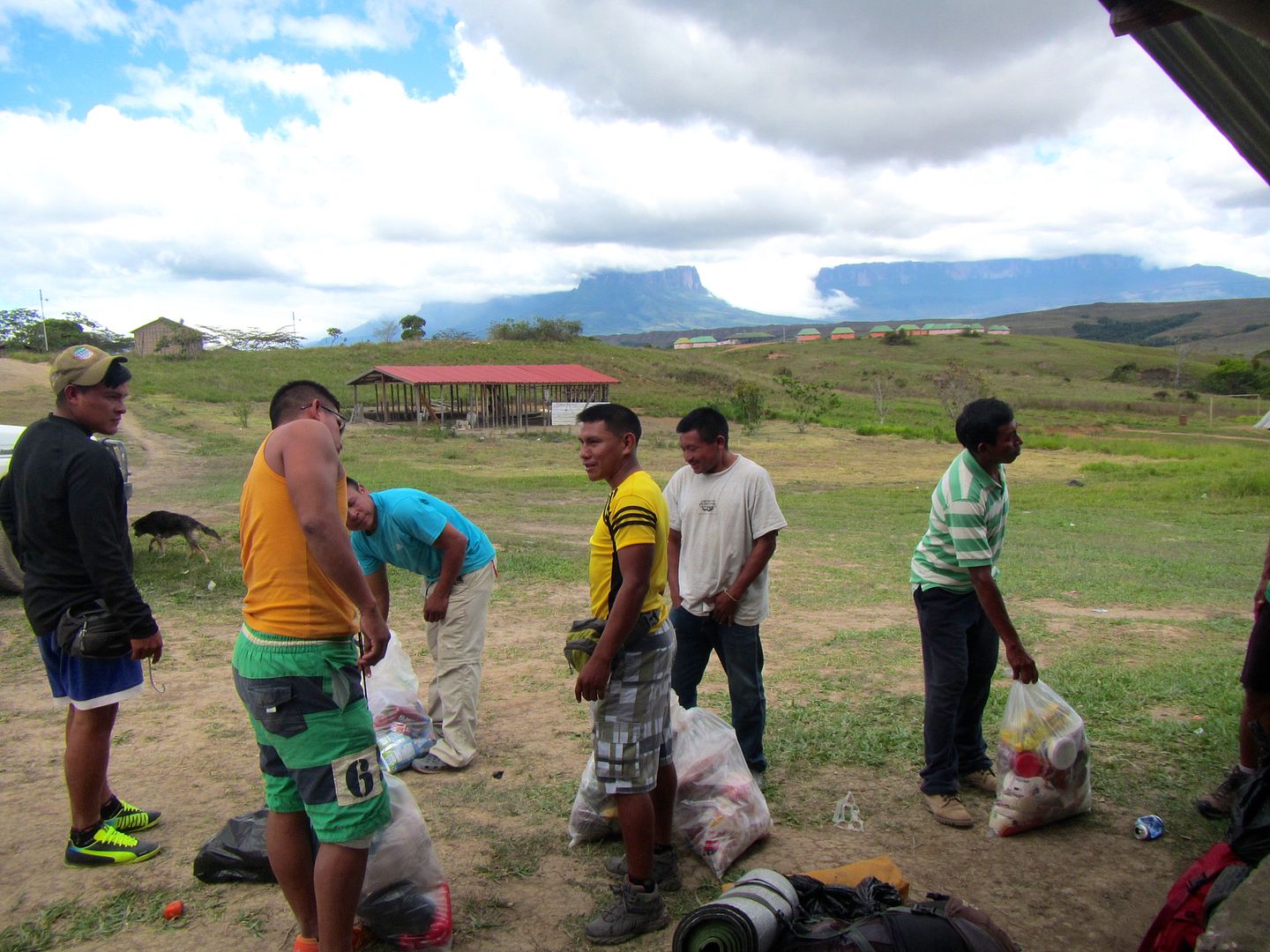
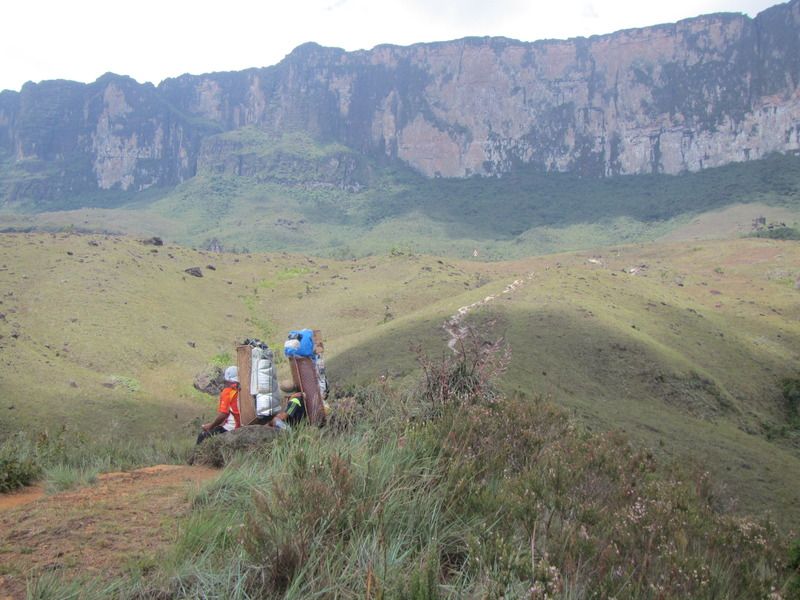
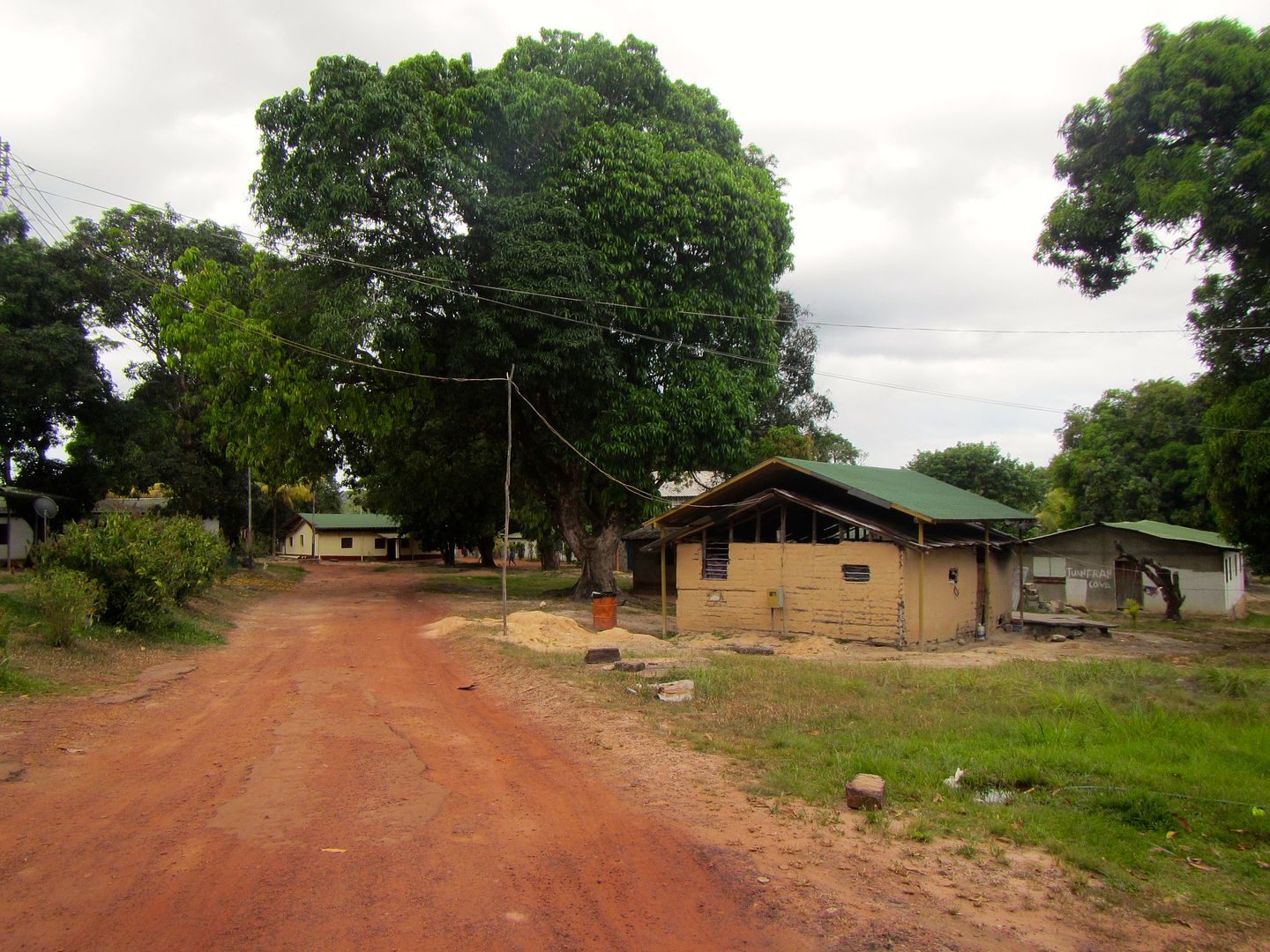
 Paraitepui is a small Pemón village with small mud and stick huts and families going about their business. Women washing clothes, men walking with hand tools or working small patches of land. Many other men had woven, straight-sided cane backpacks that were loaded with food, camping and cooking gear for the numerous concurrent treks into the mountains. These are the porters and they carry 15kg of your gear for 1800 Bolivares. They are short, strong men and women who walk these paths several times a month to provide much needed cash for their families. They are strong, tough and agile, making the struggling tourists look weak and tired in comparison. One porter reportedly was carrying 50kgs on his pack. Most of us were struggling with 10-15kgs. 
I was fortunate to have some good gear so my pack was about 8kg plus water, but my only boots were my motorcycle boots, not exactly suited to trekking, more for a half-day walk, so I started in sandals and carried the boots. We had been told to expect cold weather on the top so I also decided to take my warm sleeping bag at a tad over 2kg and my inflatable mattress, which is compact and a little more than half a kilo.
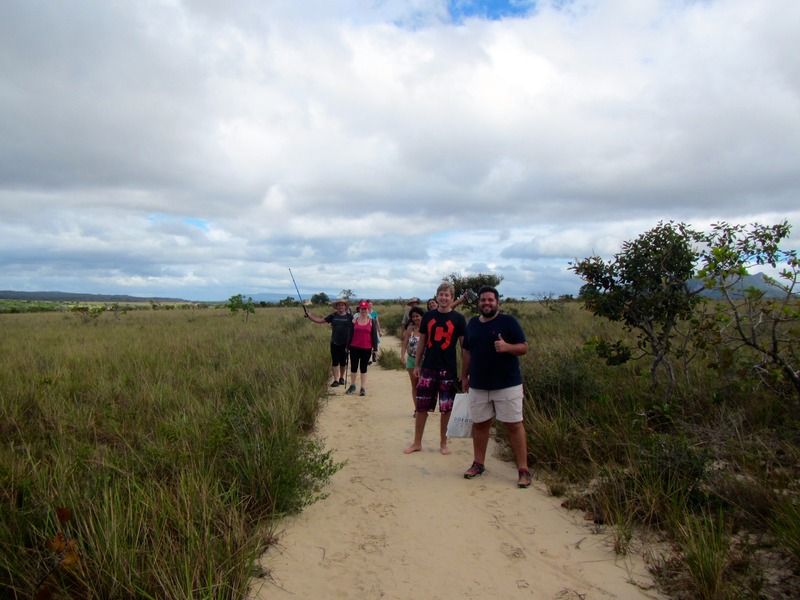
 We signed in with our passport numbers and prepared for day one, a 12km walk through the savanna grasses. 
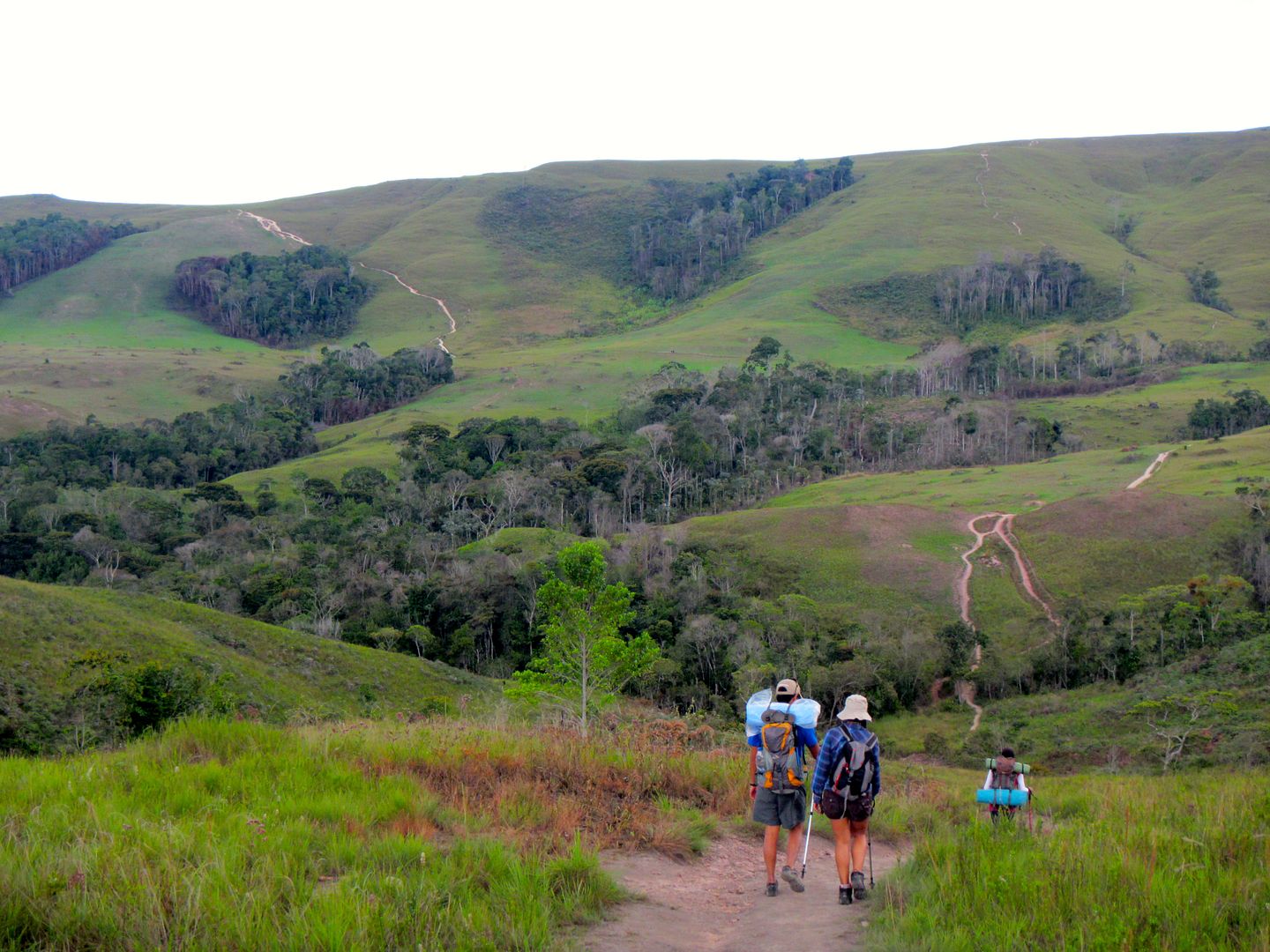
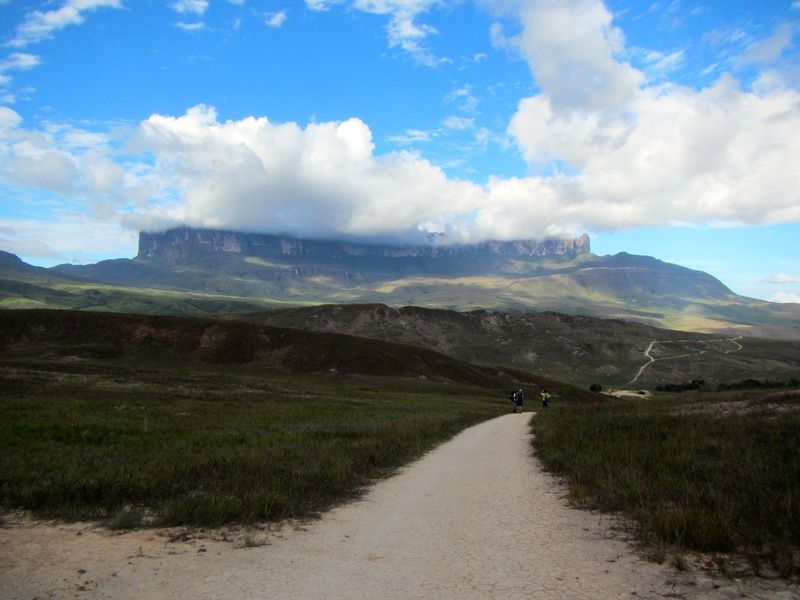
The paths were dry and hard with periodic loose rocks followed by paths of larger rocks before becoming parched clay again; passing down across a couple of rivers flowing from the mountains in the distance, before rising again to the hilltops. It was an undulating narrow path, each hill taking us a little higher in total elevation and each peak bringing Roraima and Kukenan larger into our field of view.
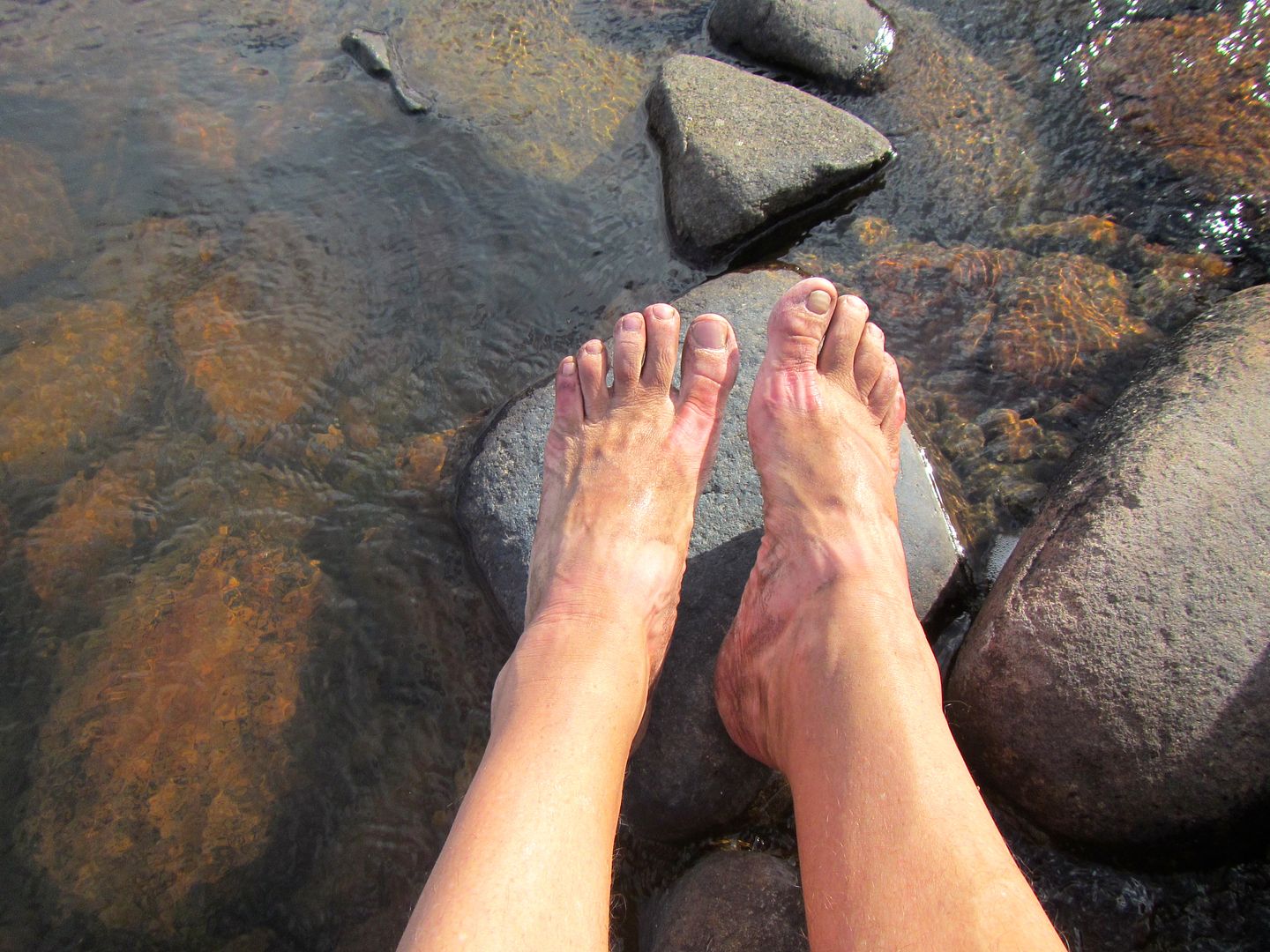
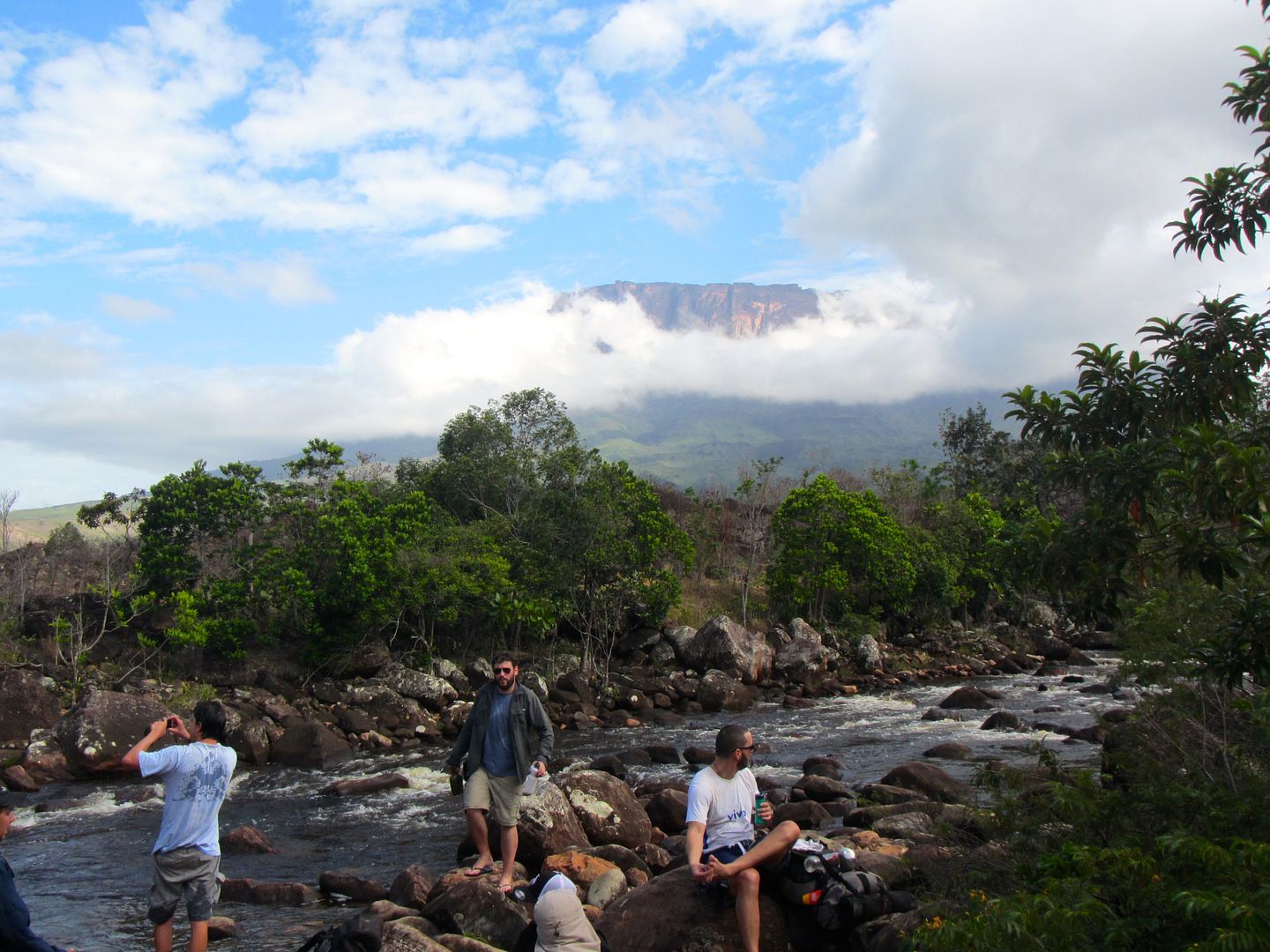
They didn’t seem so far away but as the kilometres rolled on they didn’t seem to be getting closer very quickly. The sun was hot when not hiding behind the clouds and this walk sorted out the balance in the backpacks and muscles needed for the remainder of the trek. A number of hours later the now spread-out group reached the first camp where we offloaded our packs and refreshed in the mountain-chilled water nearby.
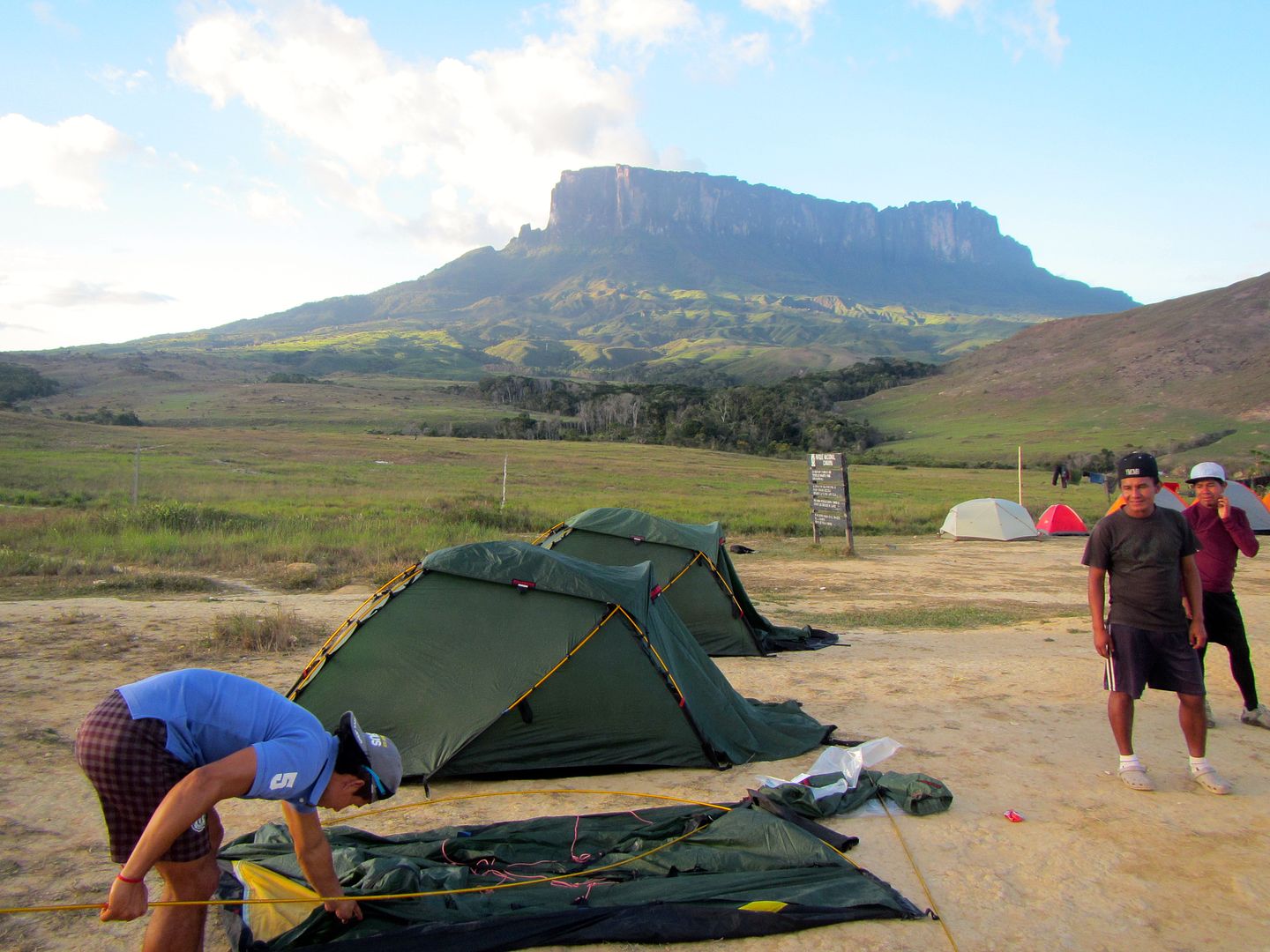
 Our group of porters and guides immediately set about cooking our lunch of rice and chicken and setting up the camp. 
We had lots of time to relax and take photos, passing a few hours before our dinner of spaghetti bolognaise and way too strong coffee for that time of night. My strategy of bringing my beloved Exped mattress paid dividends from day one with everyone finding the thin inflatable or dense foam mattresses hard on the tough ground, while I amused the porters and guides with my snozzle-bag inflation device and 7cm thickness of my insulated mat. It was a jovial night with a few rums and beers to wash down the dust and soothe sore feet, muscles and insect bites. So-called Puri-Puri flies bite and leave a red blood spot on the top and several days of intense itchiness. I first encountered them in Socopó where I removed the blood clot on the top to my detriment; this action causes many days of discomfort from my thirty or so bites. Being a new insect to me I have no immunity to them but as time goes on they are less intense and I no longer remove the blood clot, and have become more vigilant about applying insect repellent.
 In this land you get tired when the sun goes down and wake at first light. If you look at a watch it is 8.30 to bed and 5am to rise but it’s difficult to judge the actual time. 
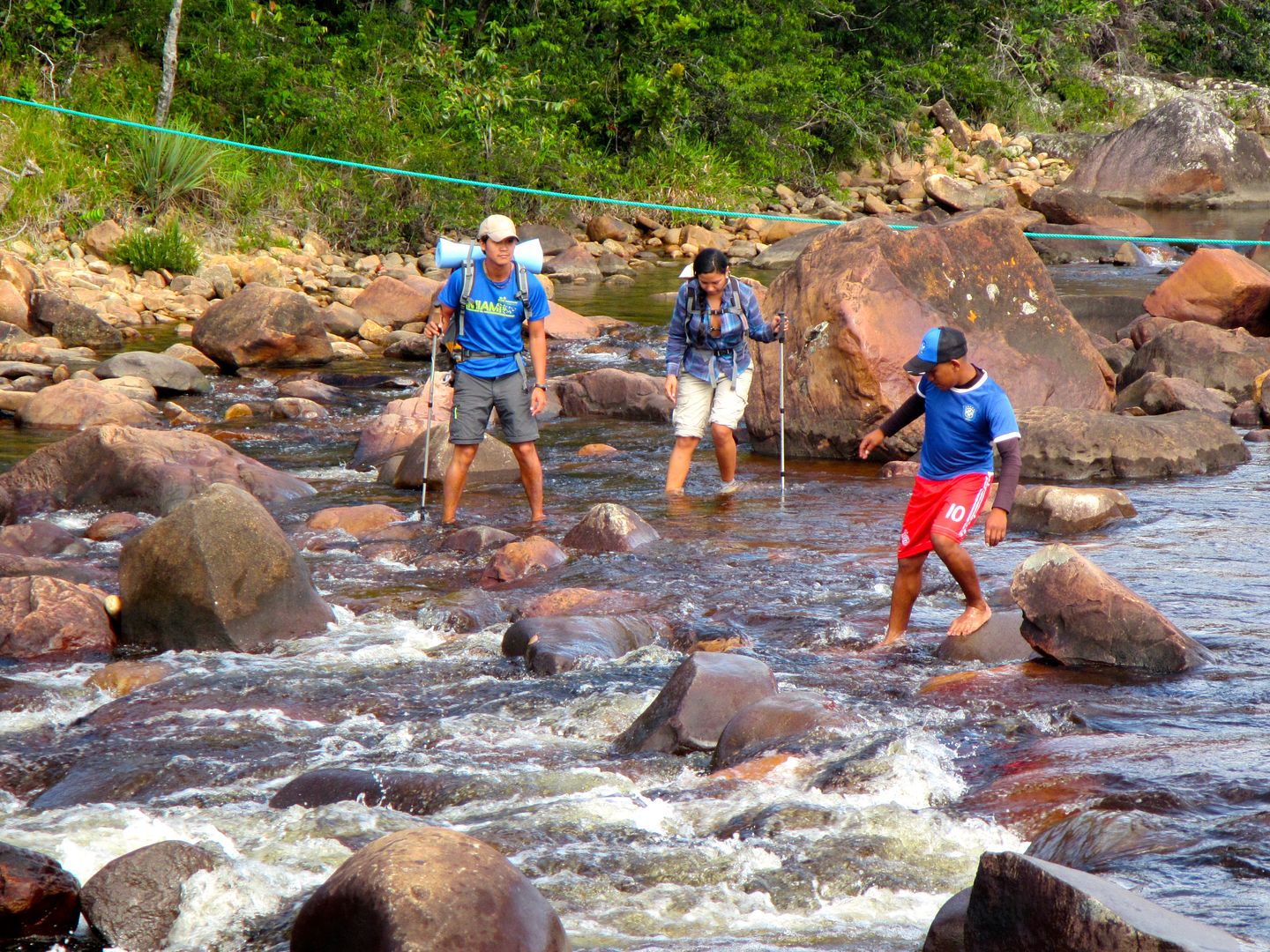
After breakfast we were briefed about the day ahead. Nine kilometres to the second camp where we will have lunch then set up camp and prepare for the ascent to the mountaintop. It was hard to imagine being on top of the still distant monolith. Day two started with a descent to the river and a crossing over rocks with the flowing white-water splashing around each step. We all made it across without mishap which everyone was pleased about.
 Quickly the path became steeper, narrower and more rocky. The dried clay-pan changed to football-sized rocks, sand and ever-increasing inclines. As the sun came out we were baked with every step and this became a much harder day. These were foothills but each appeared like a small mountain as each kilogram of extra weight started to take it’s toll on shoulders, hips, lower backs ad thighs. Kilometre after kilometre became more difficult as the hills became steeper and rockier. Some of the slopes became slippery with small scree-type rocks and the path seemed to go on and on. 
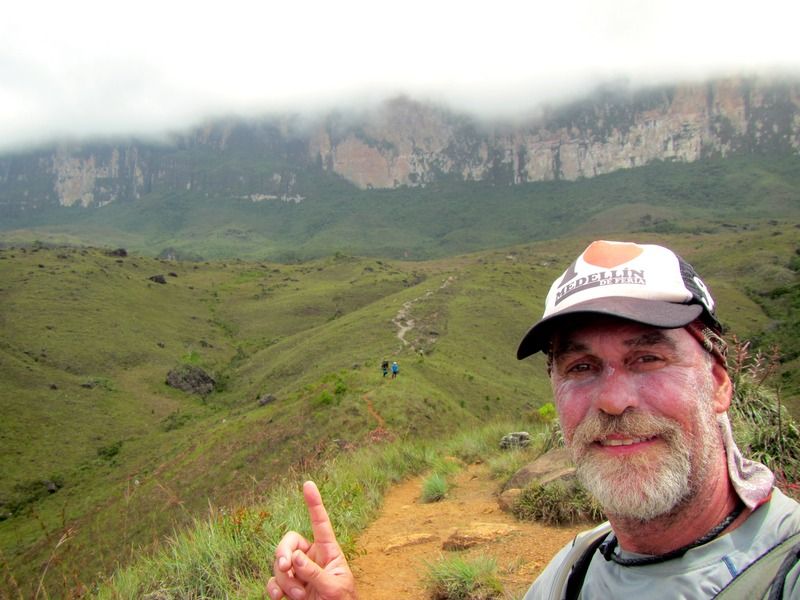
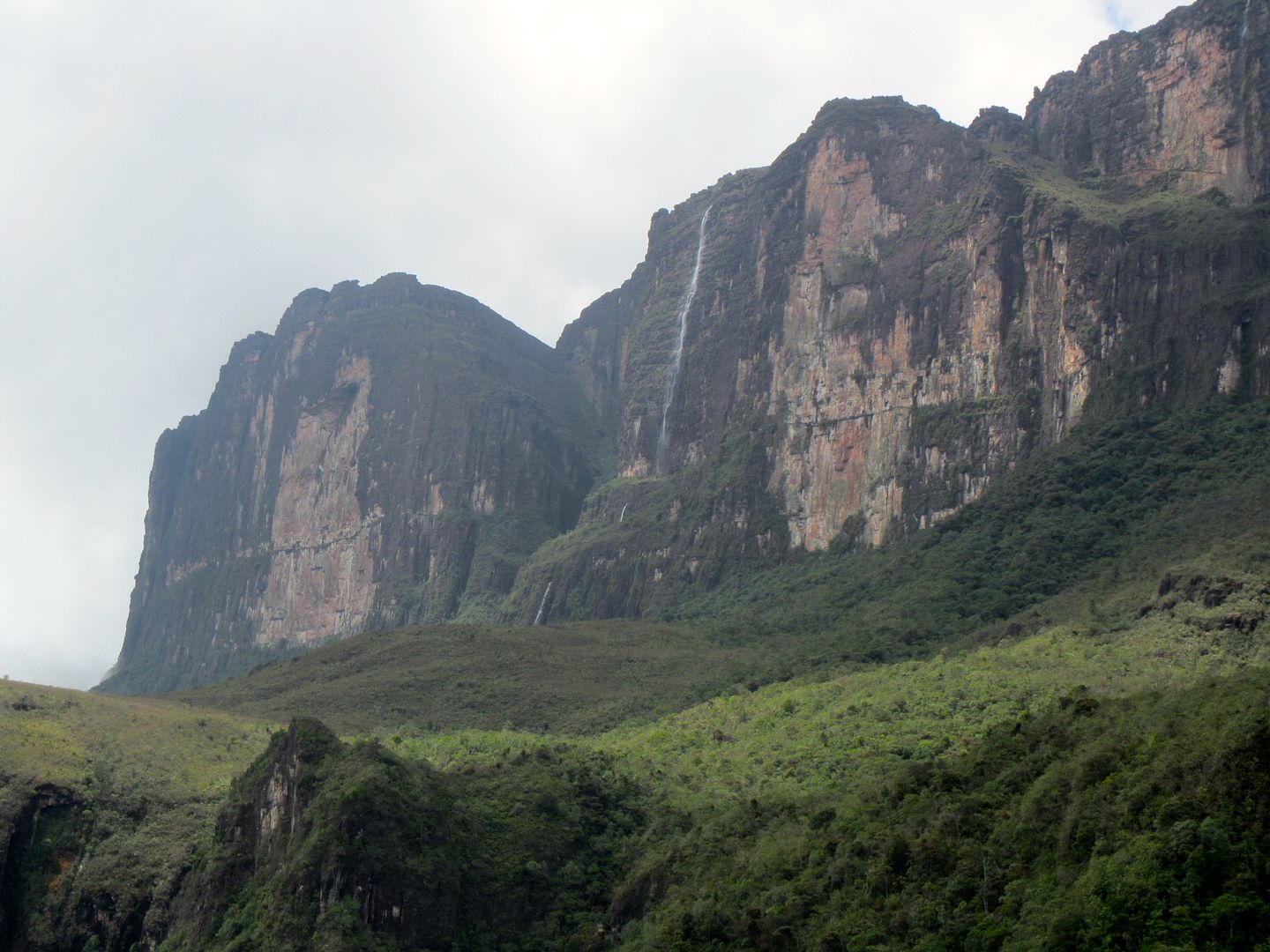
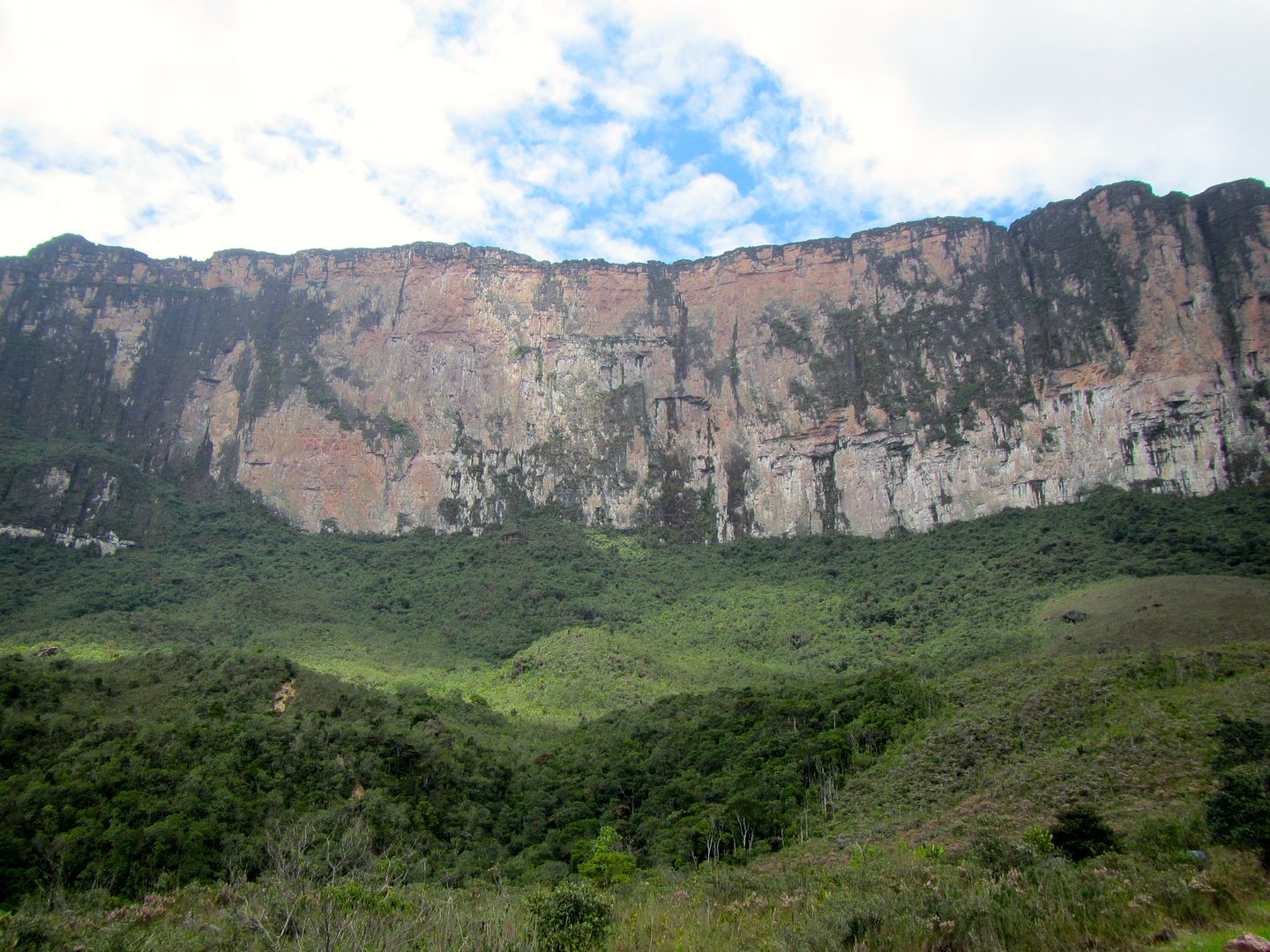
A few people walking back the other way would say it was only half an hour more, but they were working with gravity, not against it. Each hilltop promised to be the last, only to be replaced by another higher and steeper path. The sheer 400m walls of Roraima were getting closer with the impossible detail of our ascent become clearer and scarier.
 Finally it was the last hilltop and a small inclined rocky path took us to the second camp by a stream, with the horizon completely consumed by the overbearing mountain that was to be day three. 
Not the time to think of that now. Today was a hard day and the sore bodies from yesterday were now screaming with burning calf muscles and thighs, chaffed shoulders, sunburnt faces and necks and for some, the dehydration apparent from too little water during the day. My supply of electrolyte sachets found their first victims, including a precautionary one for myself. As if to laugh at us, the first track up from the river was a vertical muddy scar clearly visible amidst the jungle, a vertical smile telling us that if we thought today was hard, tomorrow will be ten times worse. Further up the side of the imposing rock wall was a steep jungled green ‘ramp’ that was the only possible pathway to the summit. The reality would prove to be even more intense than the imagination could conjure. But for now it was time for food, rest, water and comparing aches, as the ever-tough porters cooked and set up camp for us.
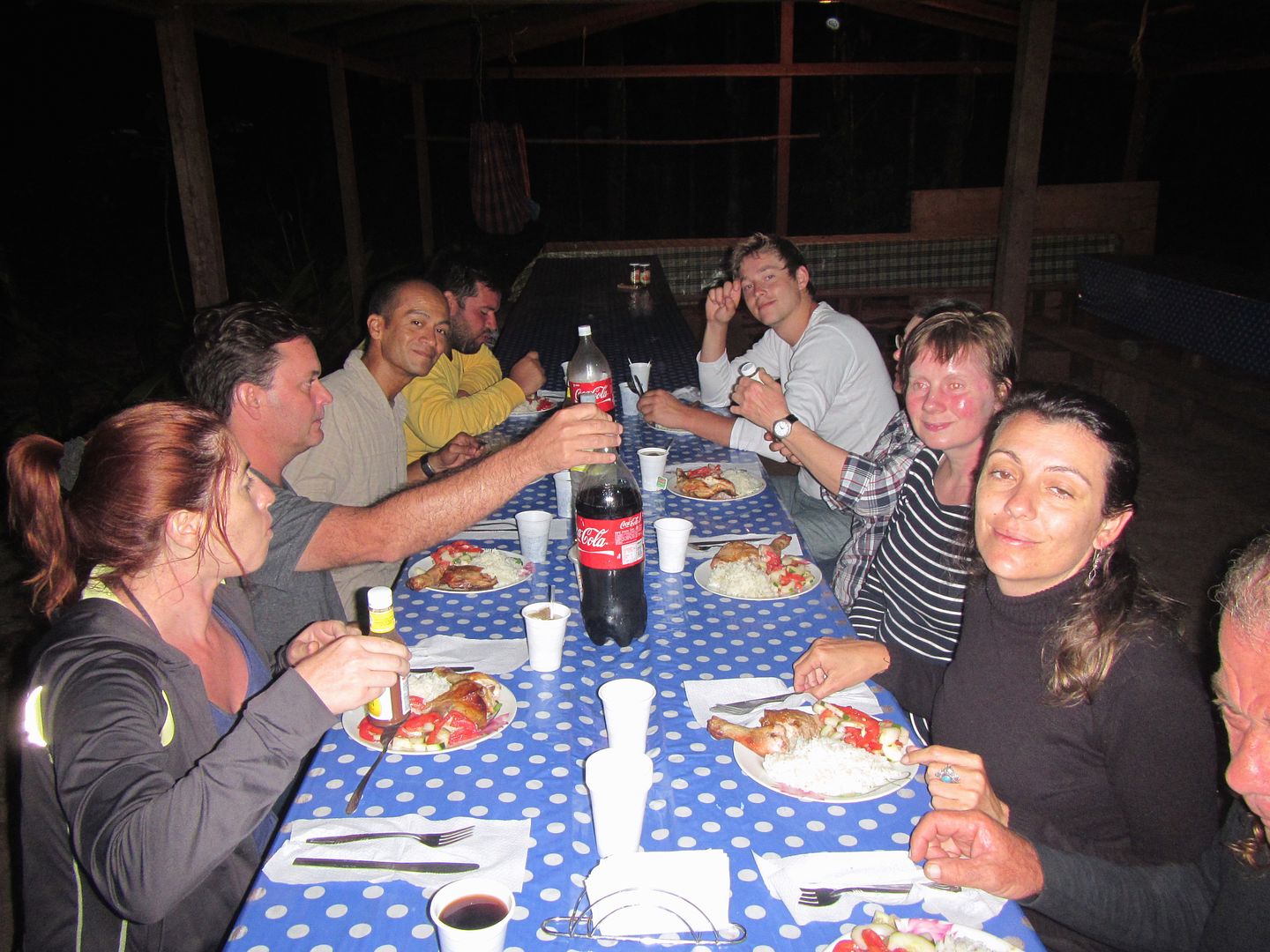
 The evening was filled with discussion about what lay ahead, what challenged us today and what we would expect to find at the top. Rum was becoming an evening companion as everyone exposed their stash of the brown spirit. A few shots, not too much, just enough to wash away the muscle pain and bring laughter to the journey. Spirits were high but bodies were tired as our dinner was served just after dark, and soon after the chorus of brushing teeth followed by rhythmic breathing became the only sounds to punctuate the dark starry night at the base of Mt Roraima. This was a remote place, accessible only by foot or helicopter, amidst the geologically oldest rock structures on the planet, believed to be in this form for over two billion years. The indigenous Pemón have their stories of Roraima – Rora (blue) i Ma (green) – the stump of a mighty tree that once held all the fruits and tuberous vegetables in the world. Felled by Makunaima, their mythical trickster, the tree crashed to the ground, unleashing a terrible flood. The ancient energy of this unchanged place surrounded us with silence and grandeur as we waited in slumber for first light.
 First light revealed the vision that I’m sure was in all our groups’ dreams, the sheer vertical walls of Roraima, the jungle slope leading to the ramp, and ‘that path’ of red clay rising vertically out of the jungle.

‘Only four kilometres today’, was the word from Roman as he briefed the group over breakfast. It will be difficult and we need to be careful on the slippery rocky areas. There was a feeling of apprehension but excitement in the group and I tried to lighten the mood more by reiterating that it was only four kilometres today. Michael from New York was particularly finding it difficult. He was my ‘tent-mate’ for the trip and yesterday had really taken its toll on him physically and mentally. Today was going to be tougher. I decided to stick around and help push him along mentally, knowing that would also be good for me. The young Venezuelan girls were doing well, the Venezuelan guys also, both young and fit, doing what they could to make it easier for their girls.

Venezuela Gran Sabana and Santa Elena

I rode towards the border town of Santa Elena and my next adventure booked by Gekko Tours – a six day trek to Mt Roraima - subject of the book The Lost World and a unique and ancient part of the world. 

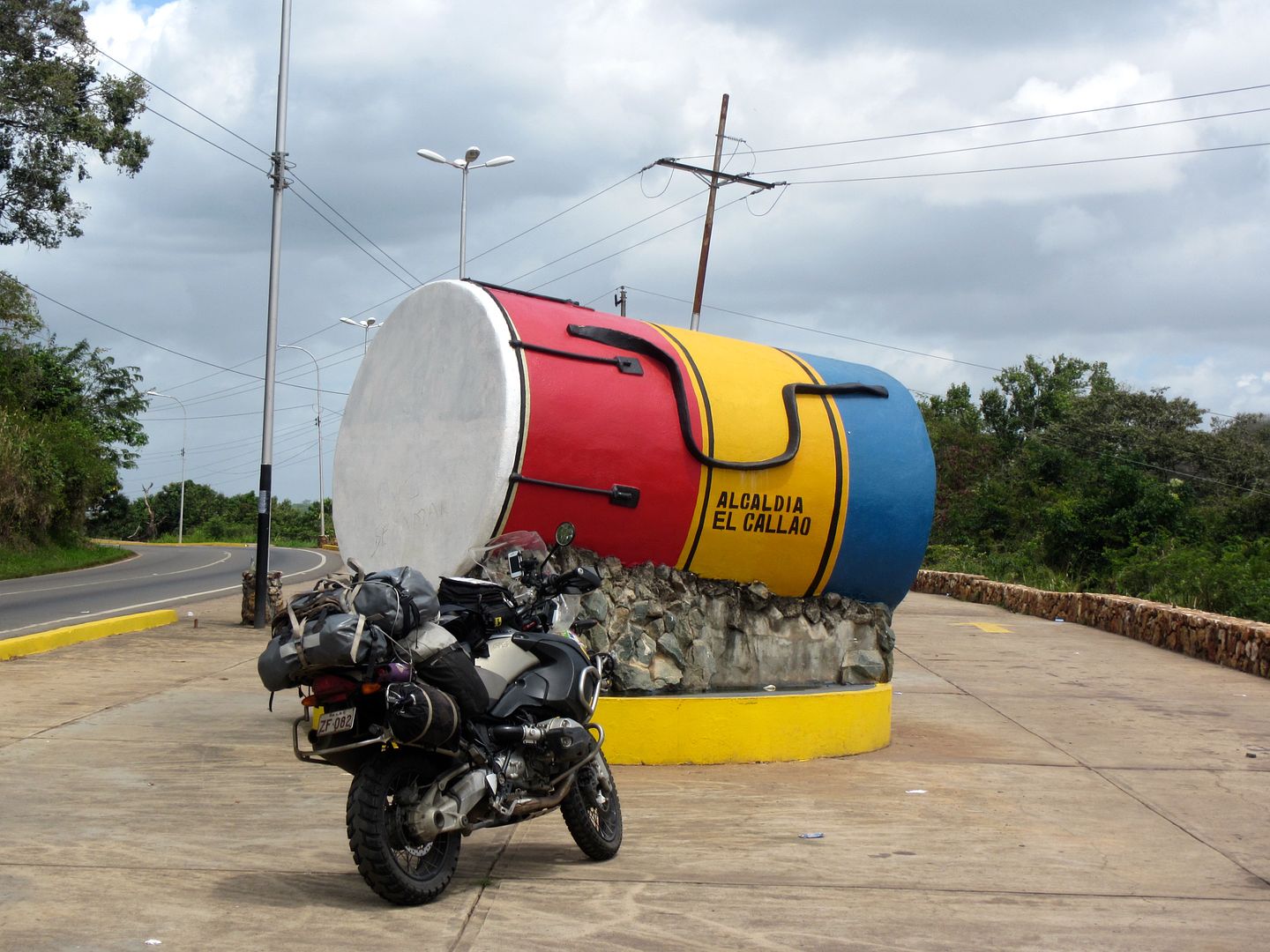
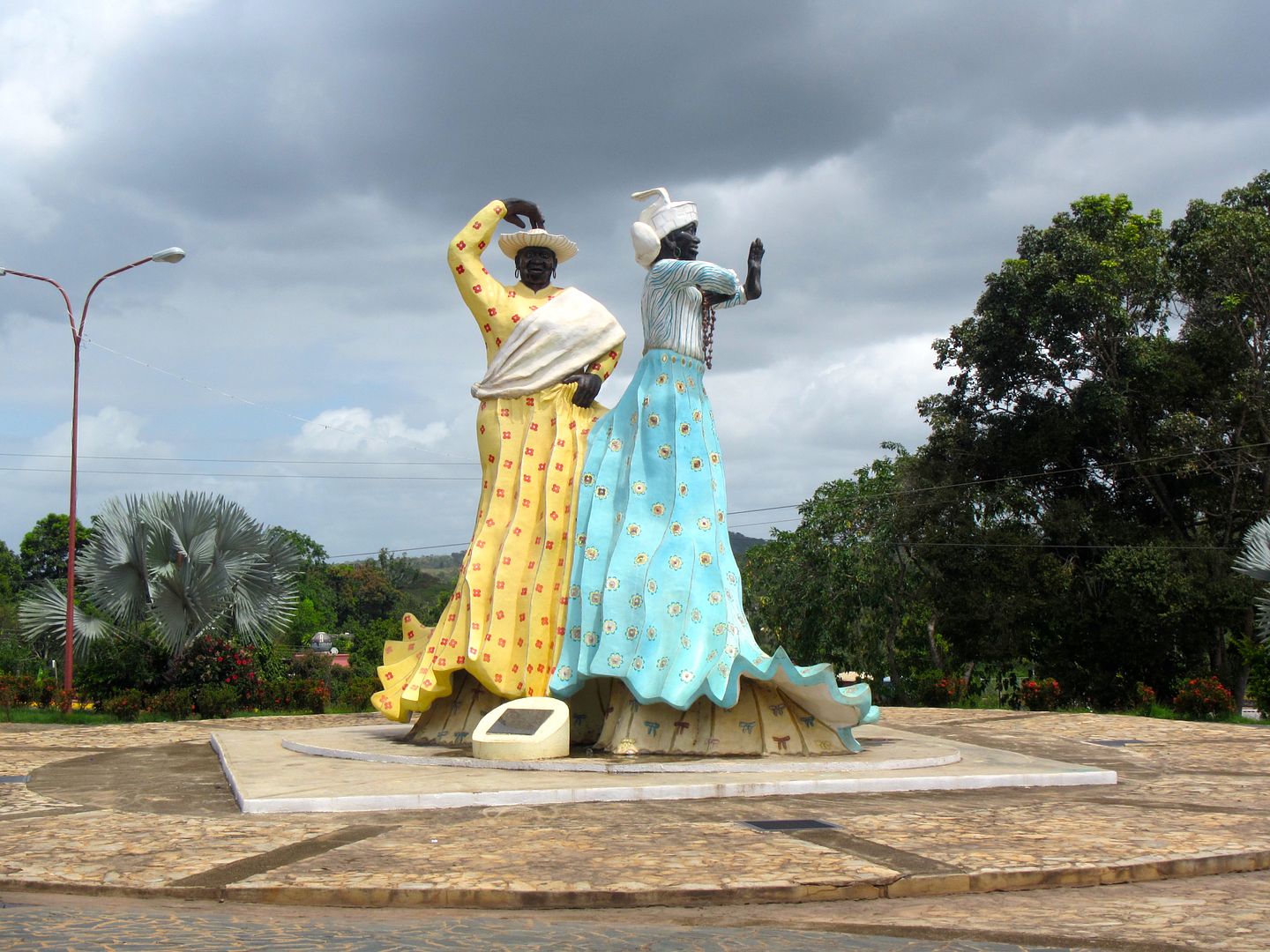
It was a 700km drive through a few small towns with interesting artwork
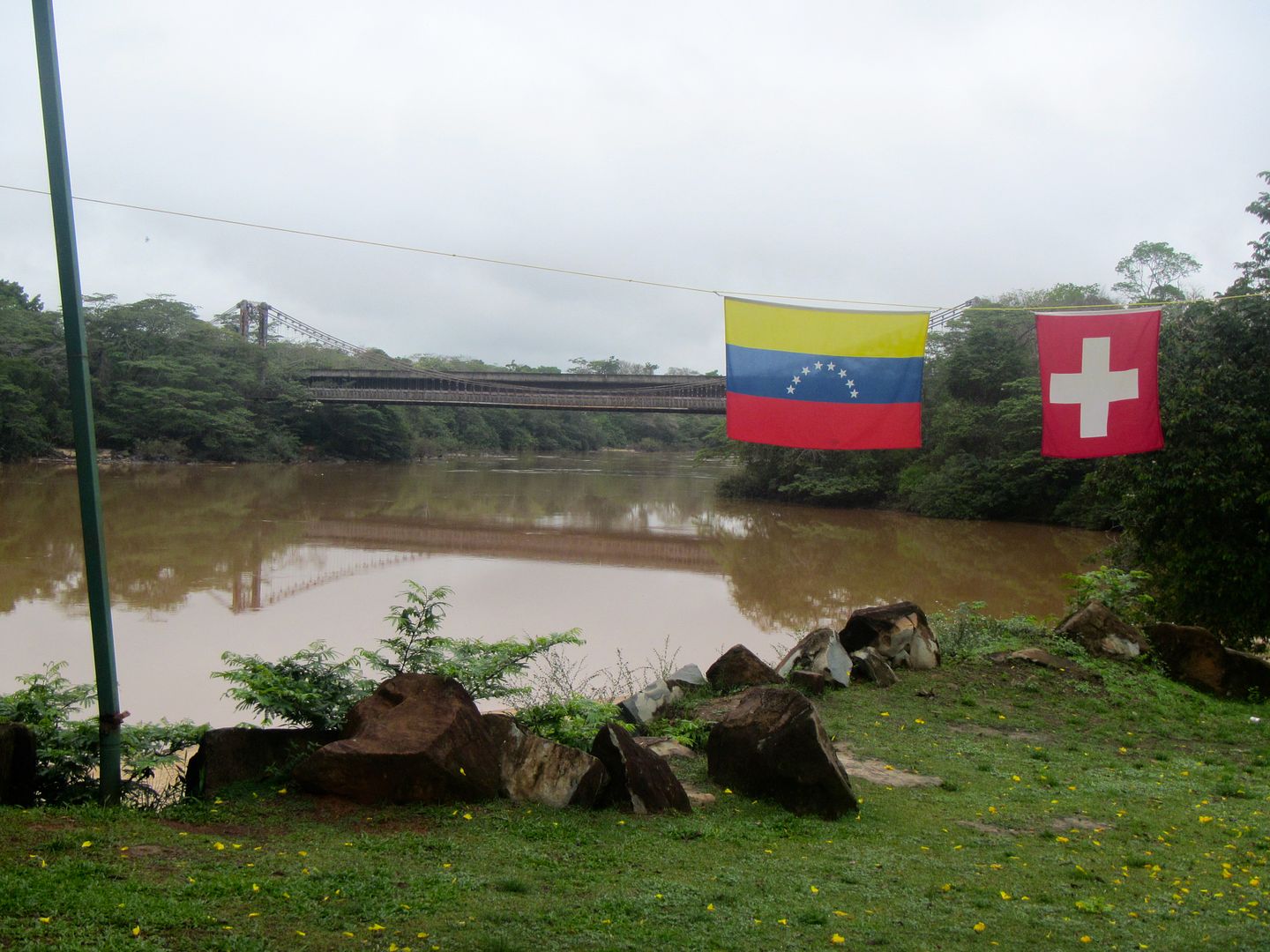
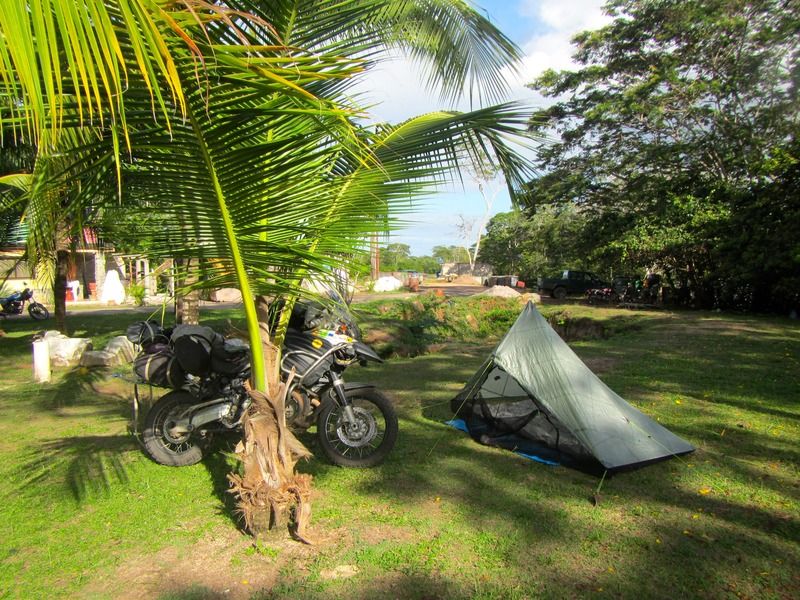
so I stopped off half way near El Dorado at Posada El Encanto Cuyuni a sprawling property of some 500Ha on a river, owned by a Swiss expat, Bruno. 
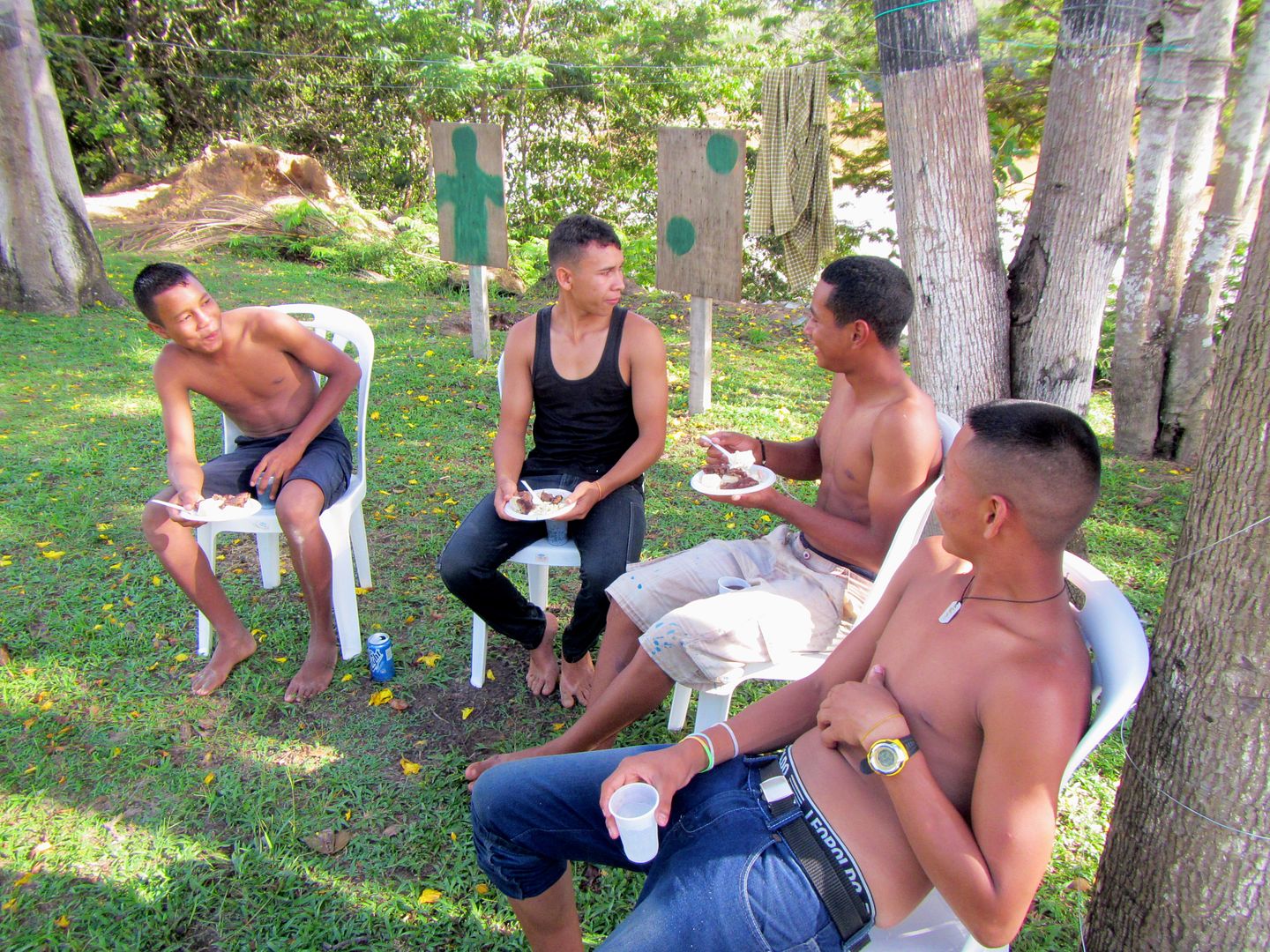
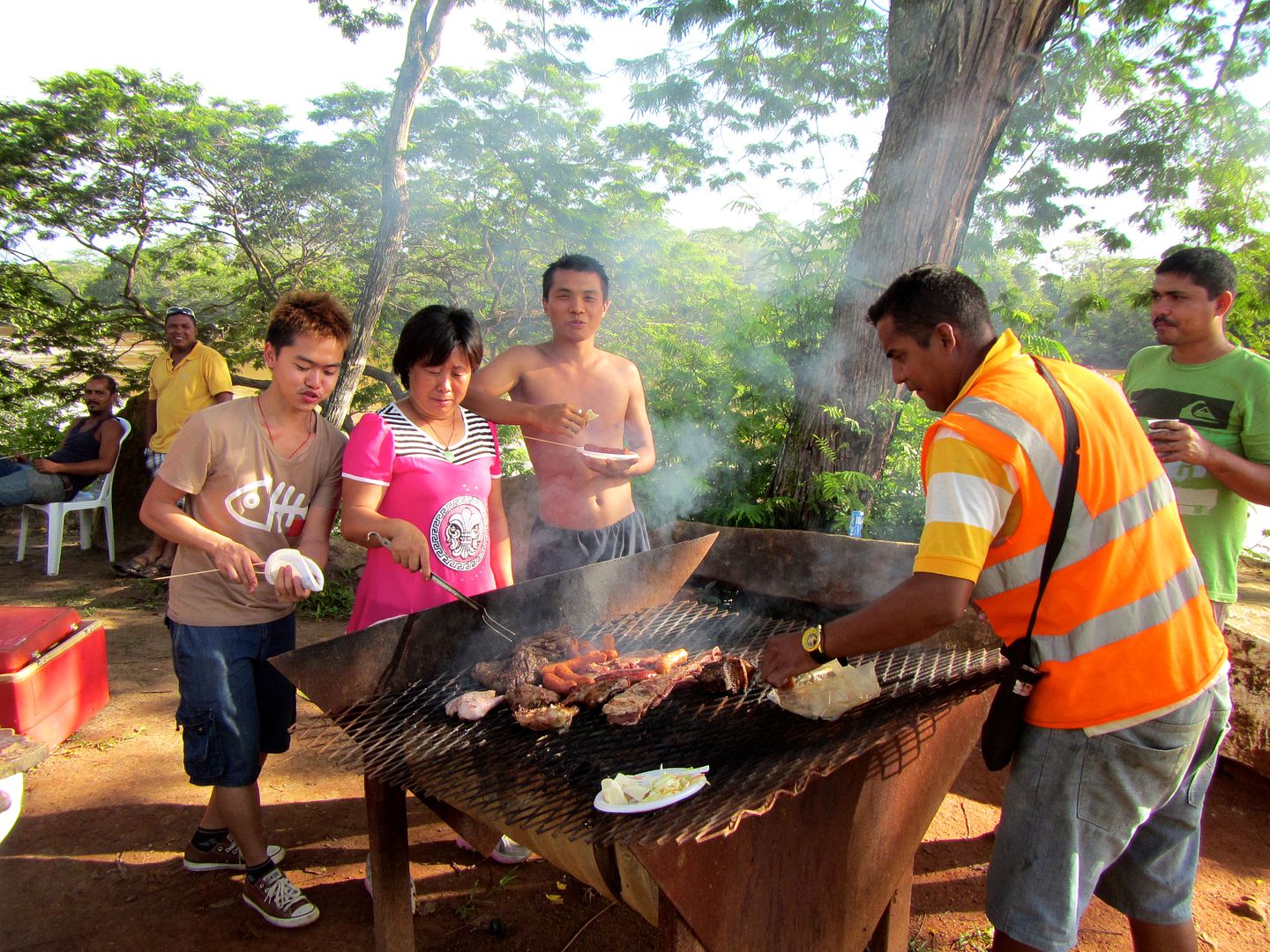
Genio had phoned ahead and they were expecting me. There was quite a party going with a group of Chinese nationals by the river cooking up huge amounts of food for their group on this Sunday barbeque. As I set up my tent nearby they brought me a plate of food, then another, then another, and beers, in exchange for stories of my motorcycle and my travels. I happily obliged. They were so friendly and generous to this stranger and then in a moment they were packed up and gone.
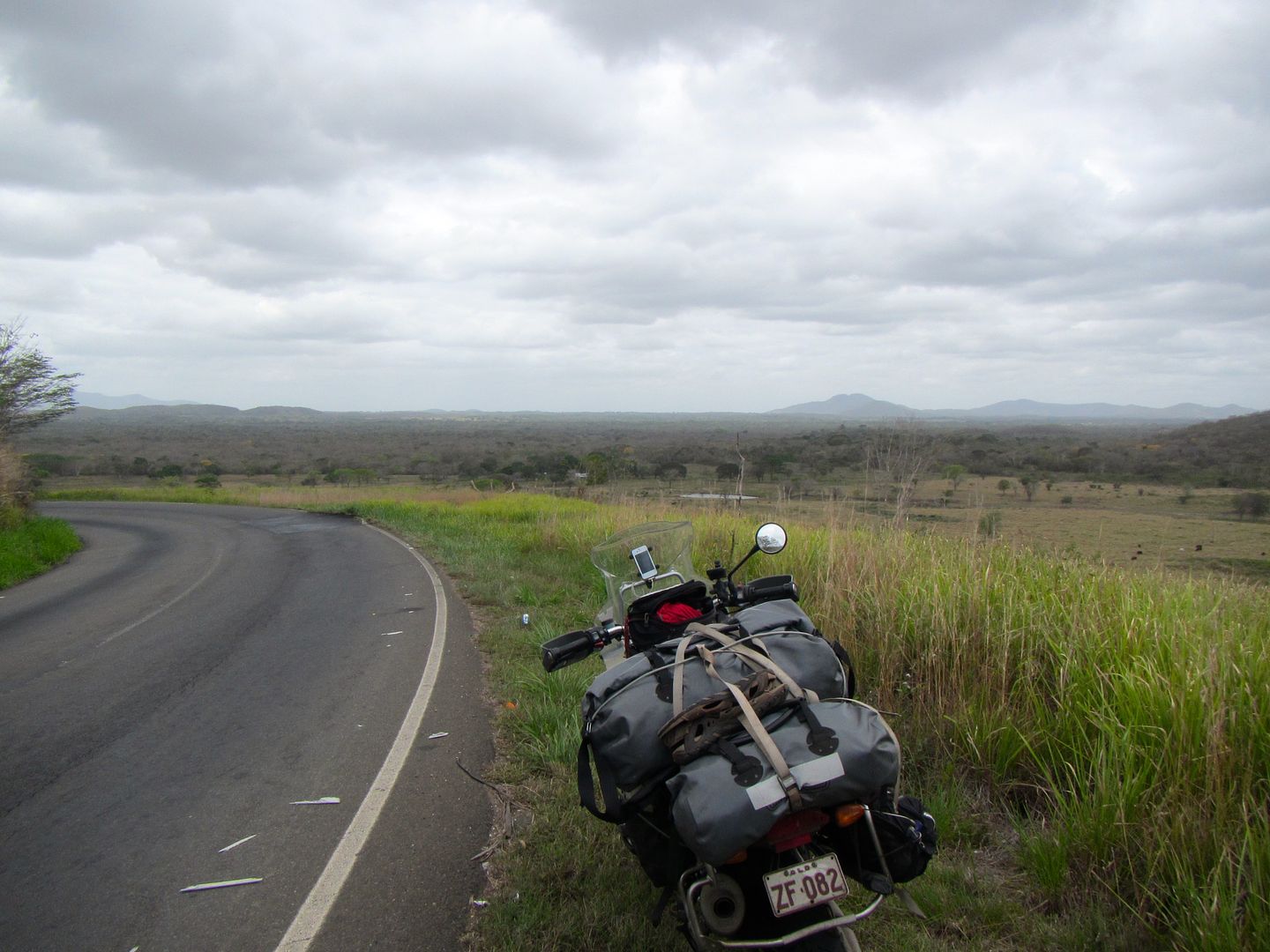
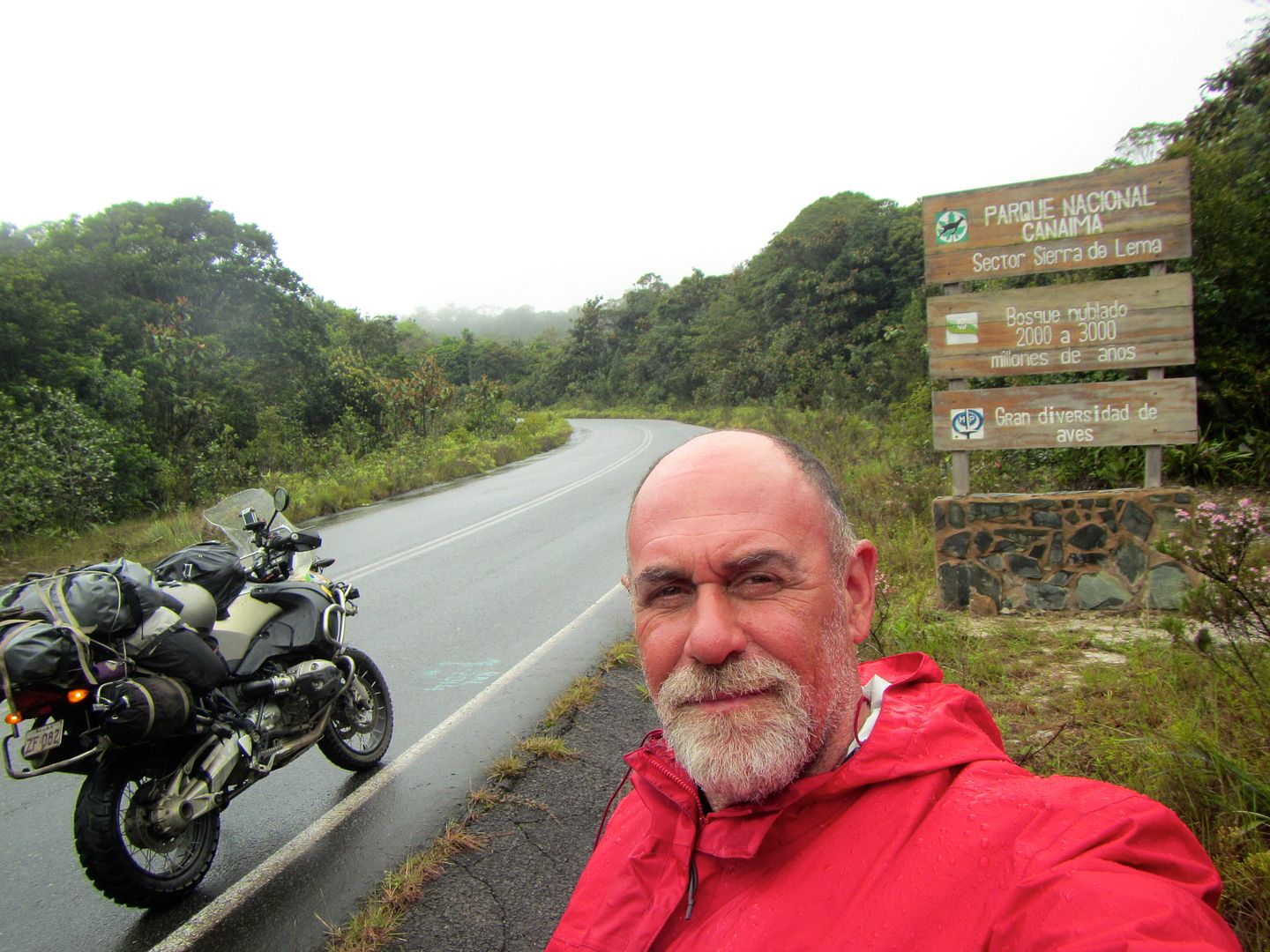
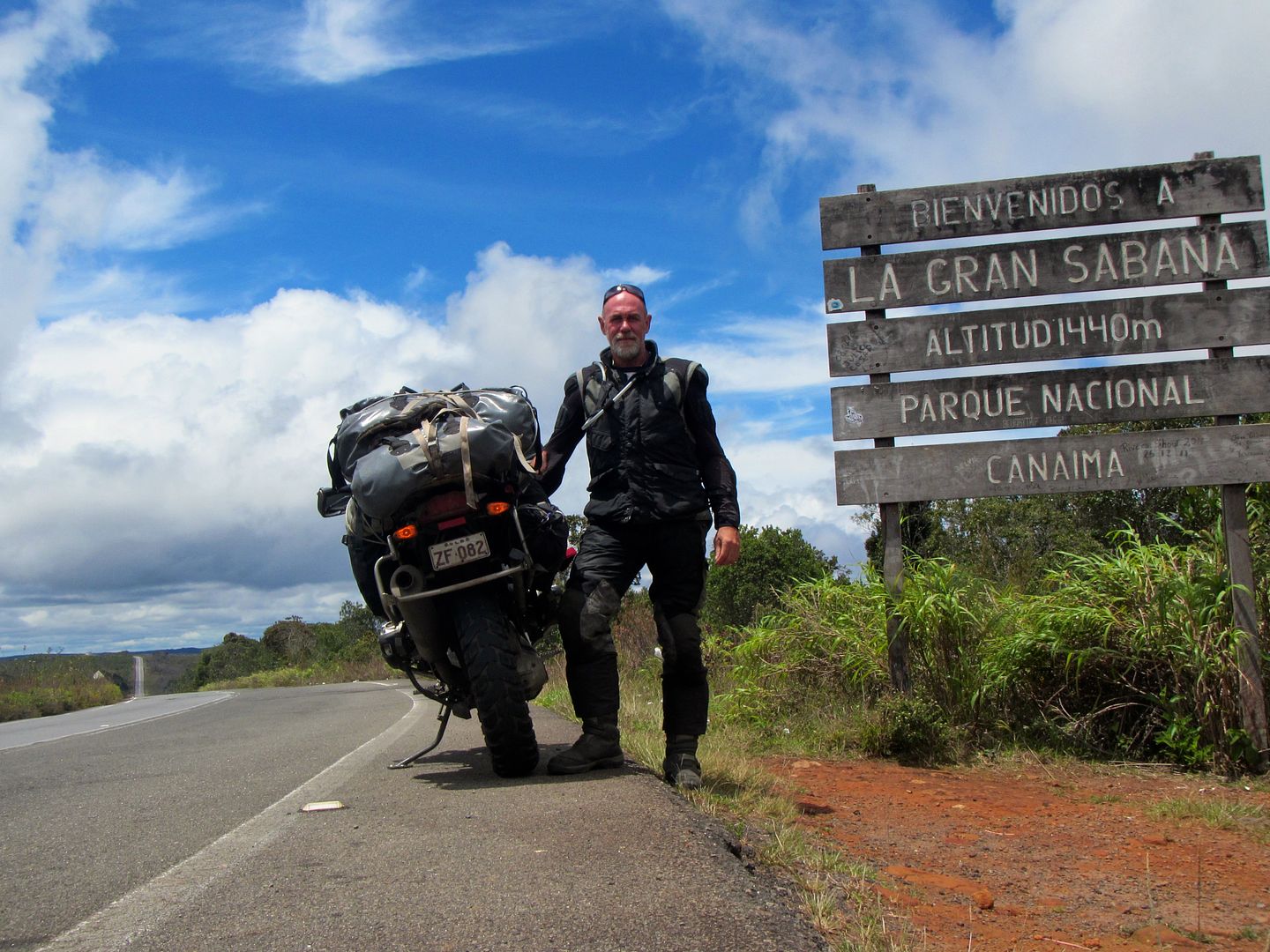
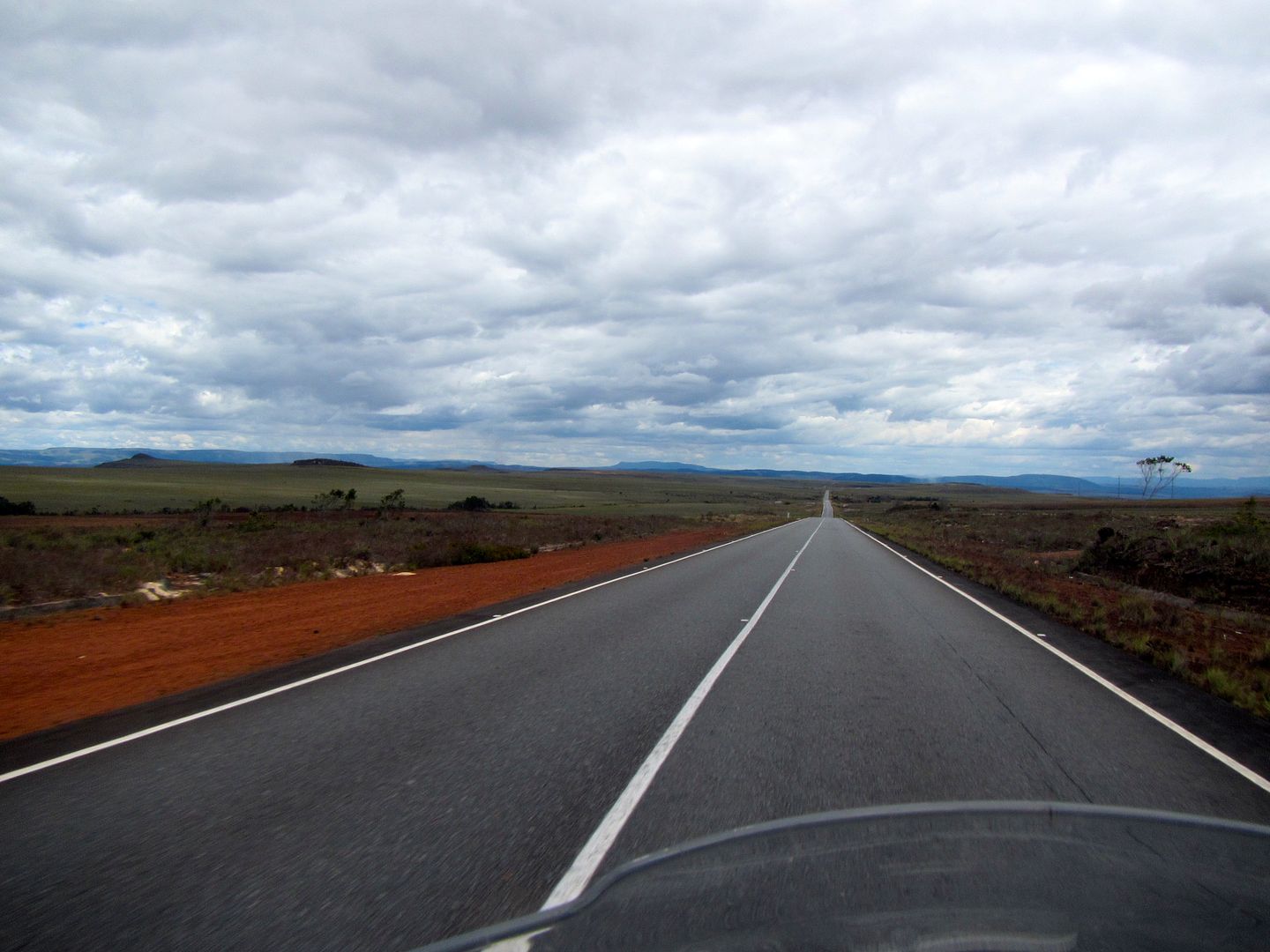
The ride to Santa Elena took me through the Gran Sabana, an area that had been mentioned to me during my whole time in Venezuela.
‘Are you going to the Gran Sabana?’
‘I suppose…where is it?’
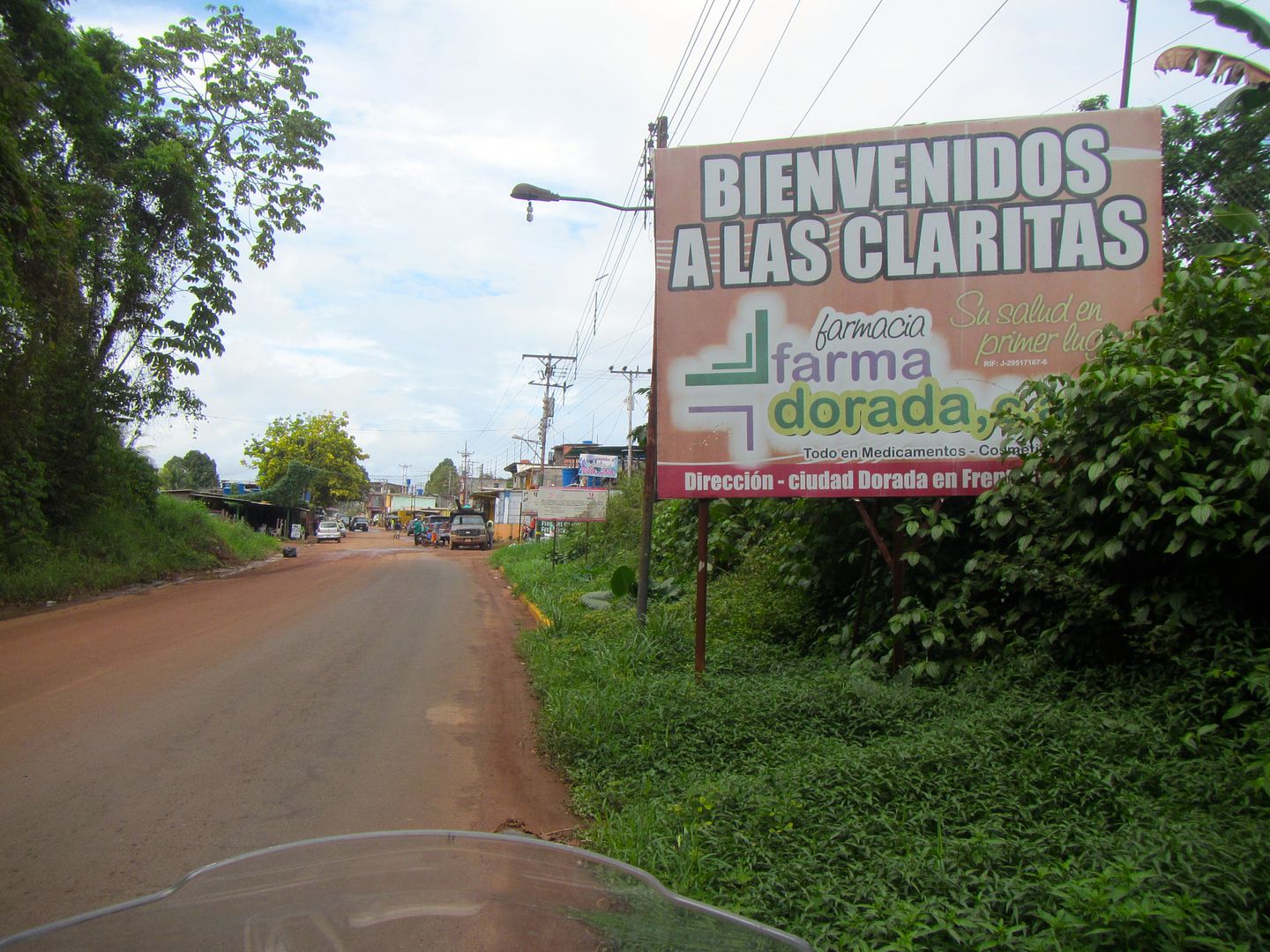
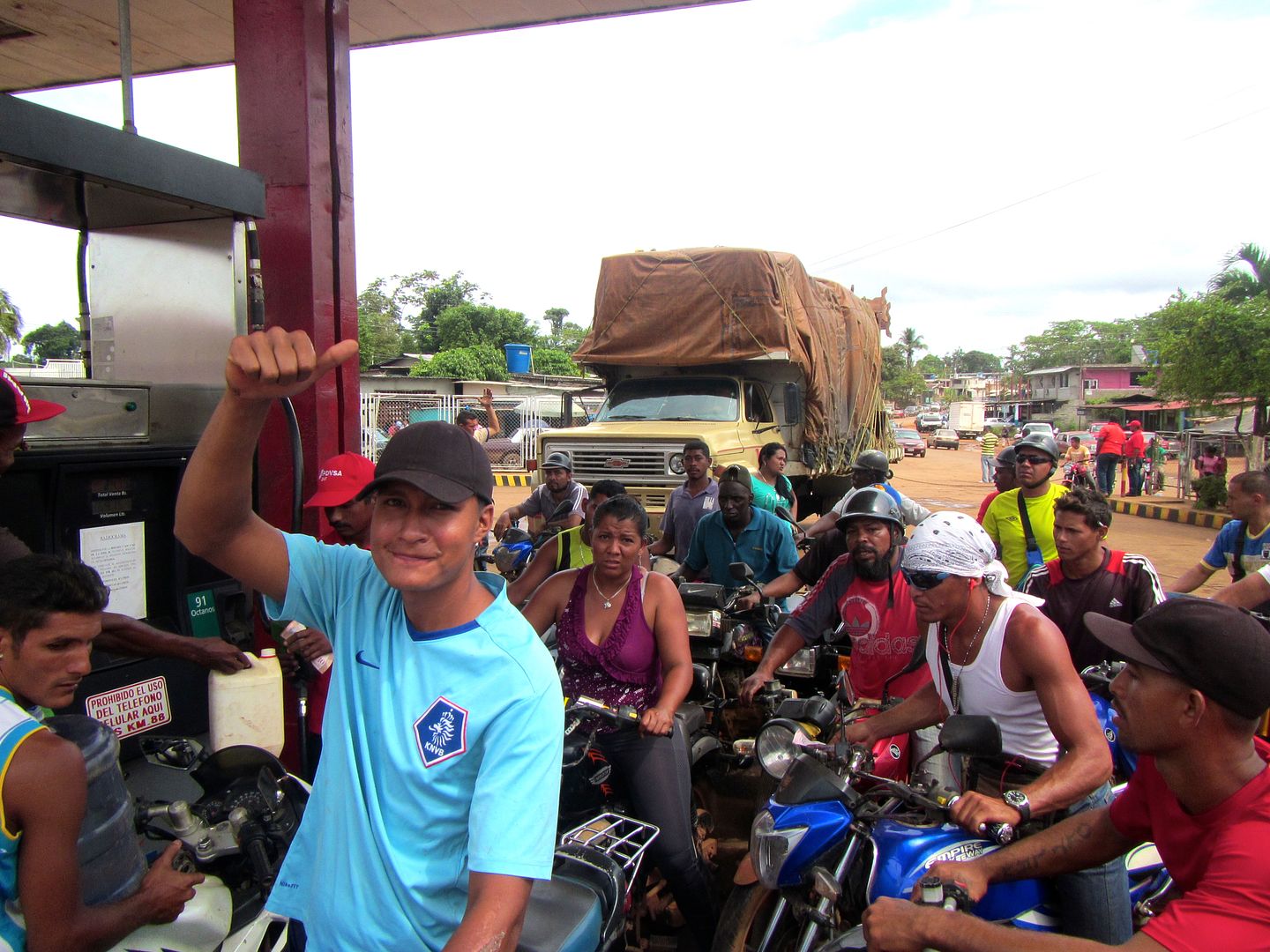
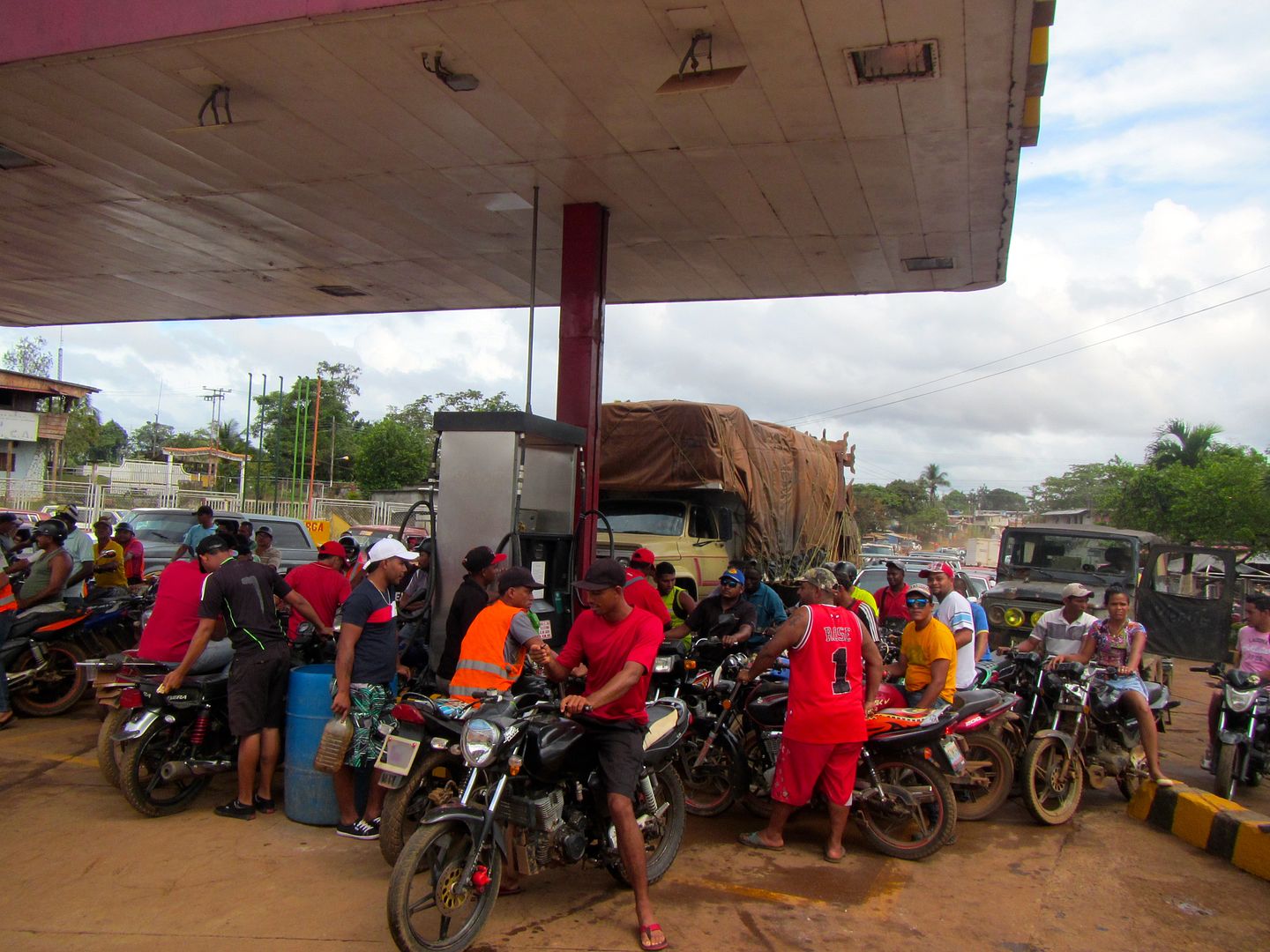
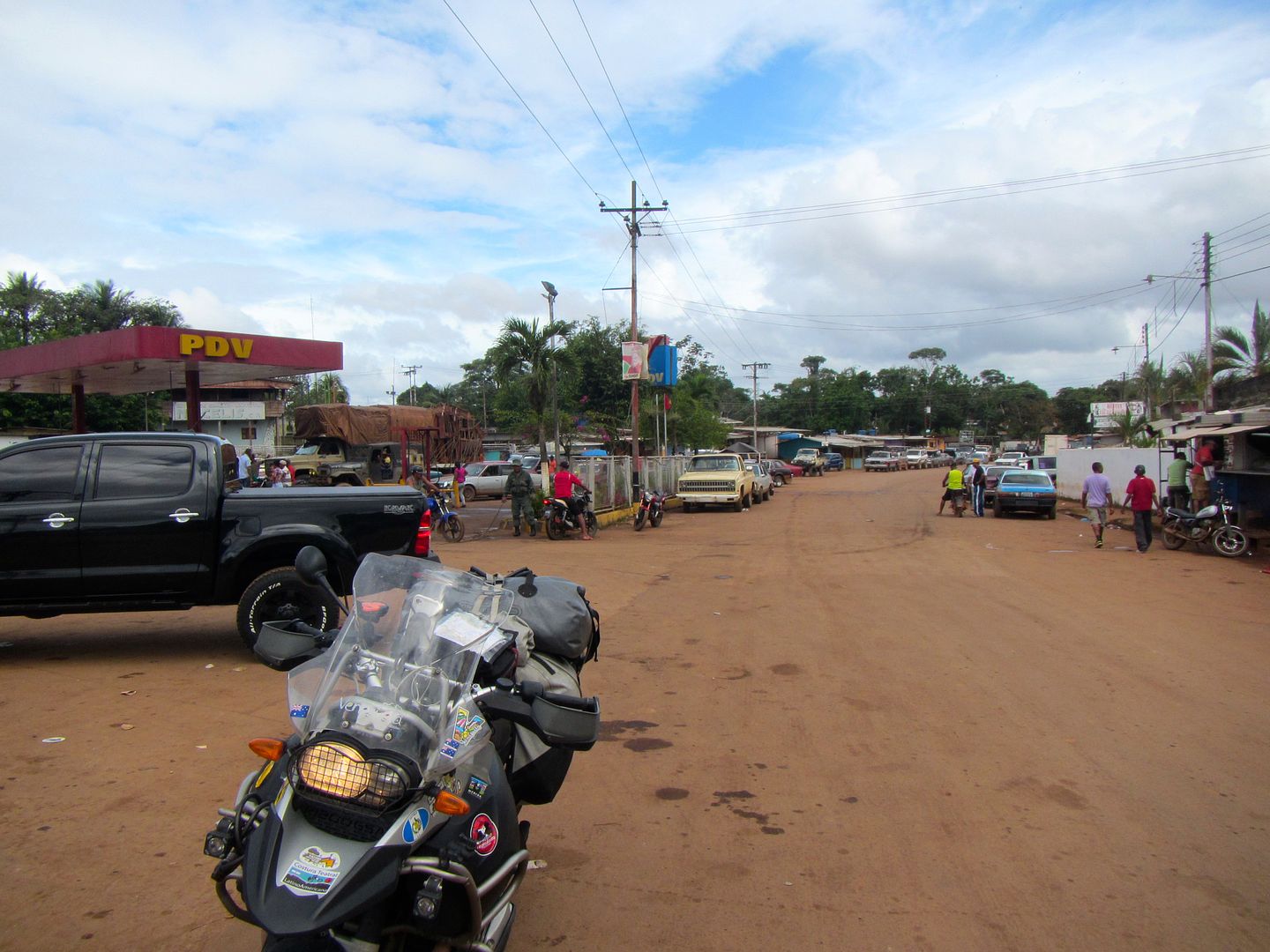
Well here it is between El Dorado, a crazy mining town that looked like something out of a western film with the addition of piles of rubbish, and Santa Elena, a quirky border town that appears a little touristy on the surface because of the tour companies present to satisfy the high demand for treks to Roraima and Angel Falls; but with an underbelly fitting for Venezuela with a collapsing currency and the world’s cheapest petrol. Of course I had to stop at Las Claritas (KM88) to buy some petrol. I found a two kilometre line of cars and 30 motorbikes clumped around the bowsers. As a tourist on a motorcycle, to my surprise and appreciation, I was ushered to the bowser ahead of everyone and filled up for ten cents!
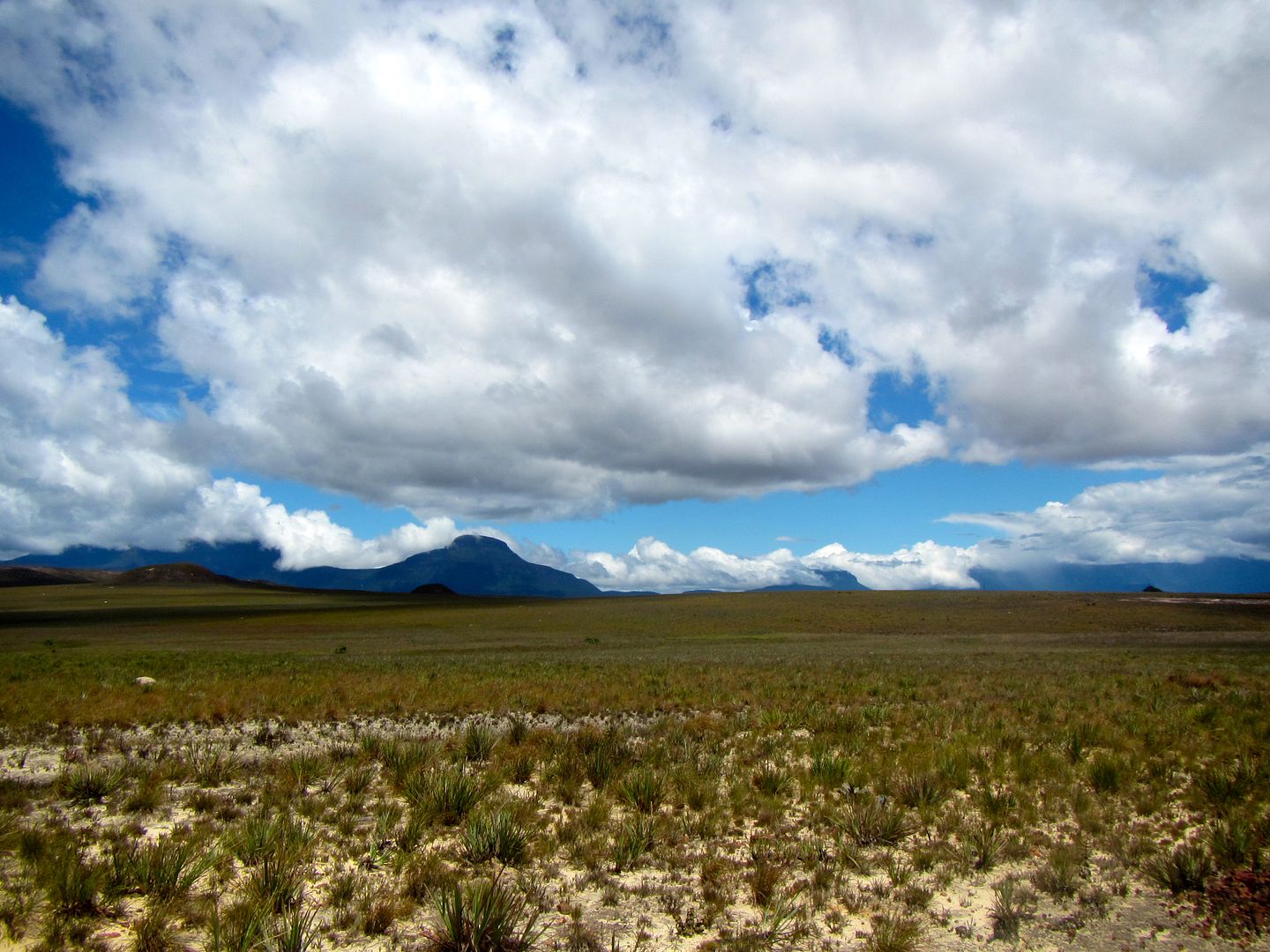
The Gran Sabana is indeed grand and some of the most picturesque plains I have seen in Venezuela or anywhere really. 
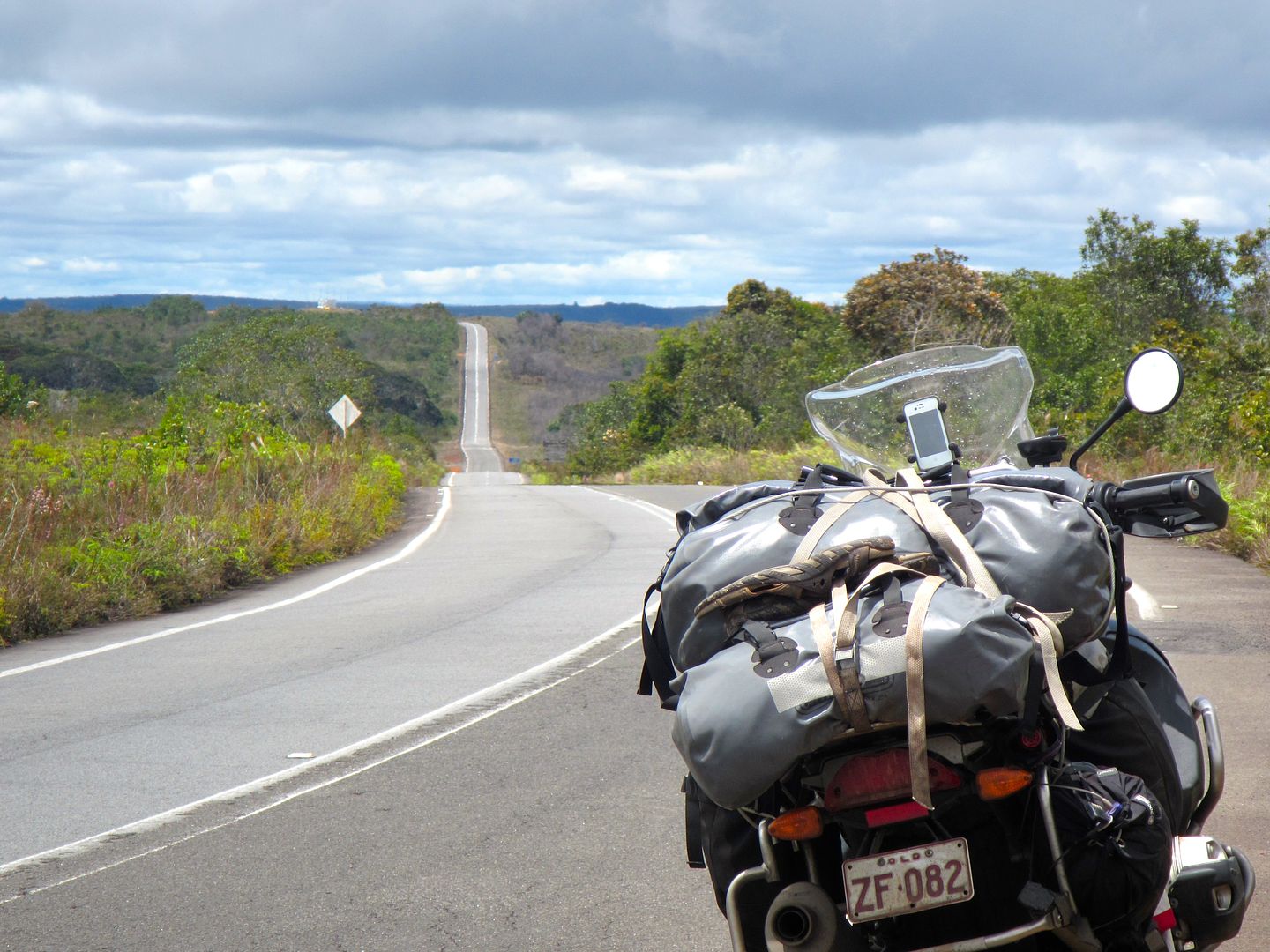
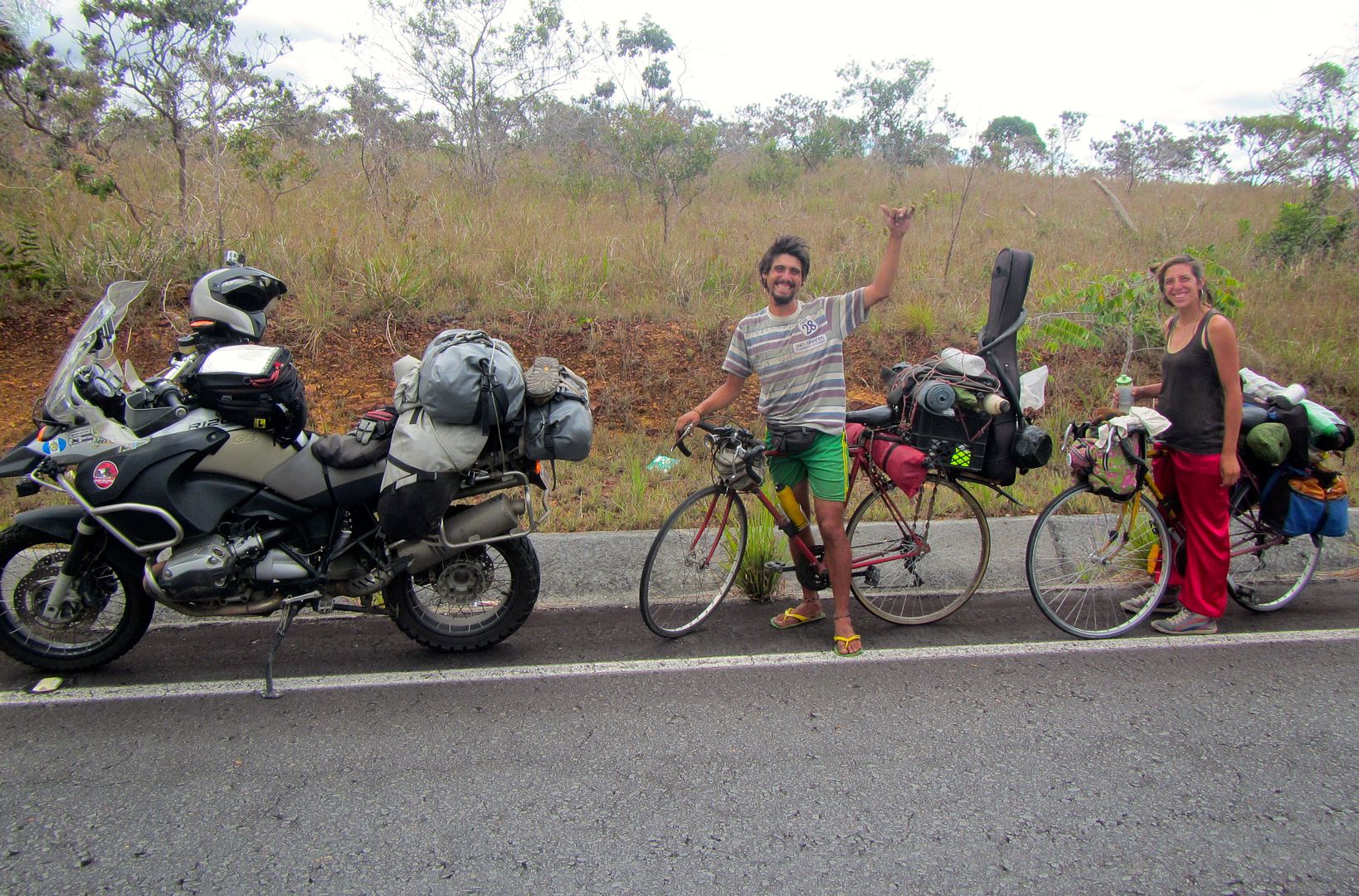
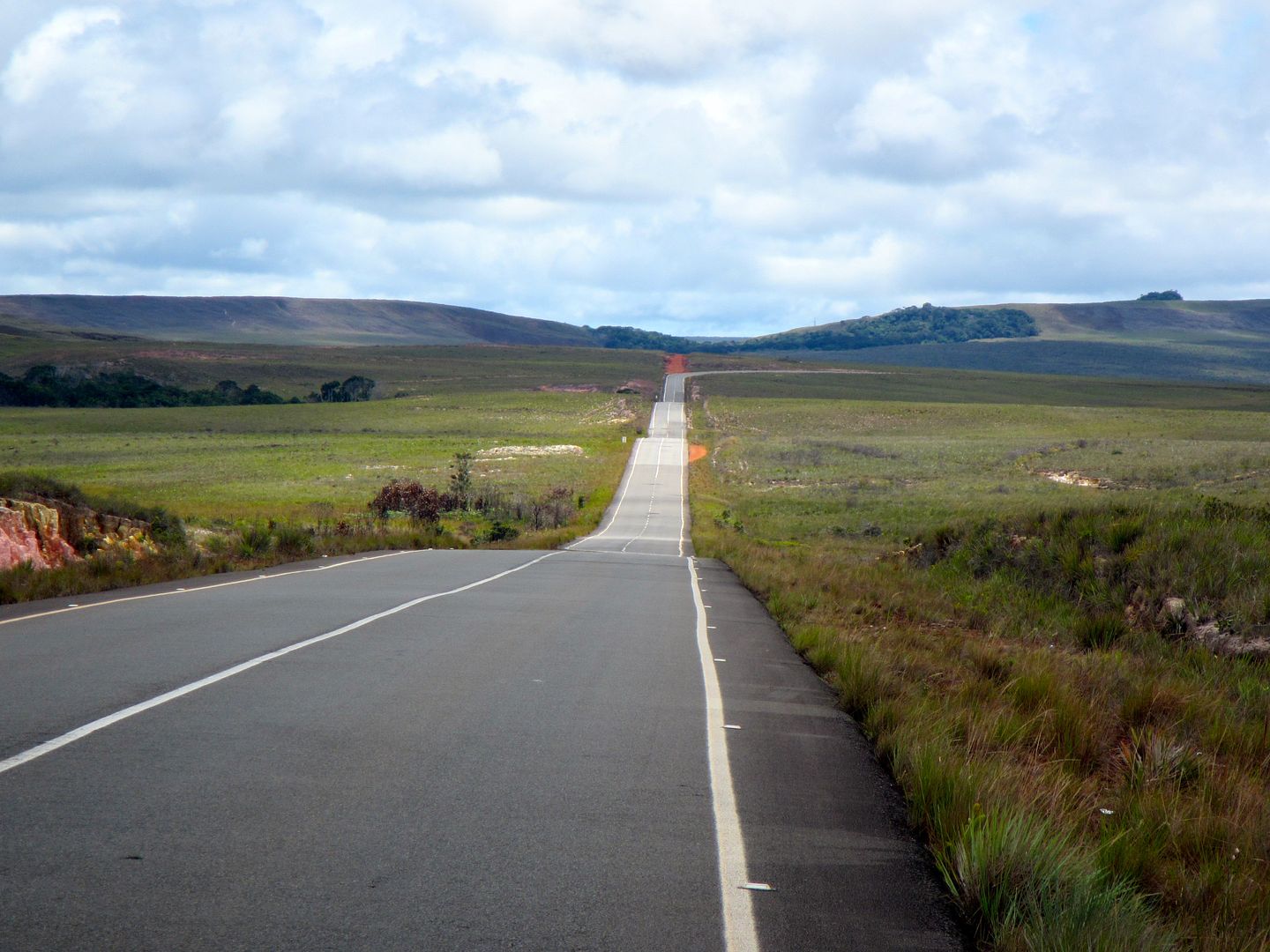
The clumps of tropical grasses blend into expansive green carpets stretching over rolling hills as far as the eye can see, punctuated with the distant tepui flat-top mountains, a row of which stretch southward, culminating in the famous Mt Roraima. The road winds through this country, beckoning glances and photos in all directions, each a postcard. It is such a beautiful day’s ride with a number of craggy gravel roads diverting to the left and right and hand painted signs pointing to various waterfalls, all in the direction of the nearest tepuis. While it was tempting to take one or two, I had to get to Santa Elena and prepare for my 6 day trek to Roraima. I wasn't the only one on this long stretch of road, a couple of cyclists from Argentina have been travelling for two years.
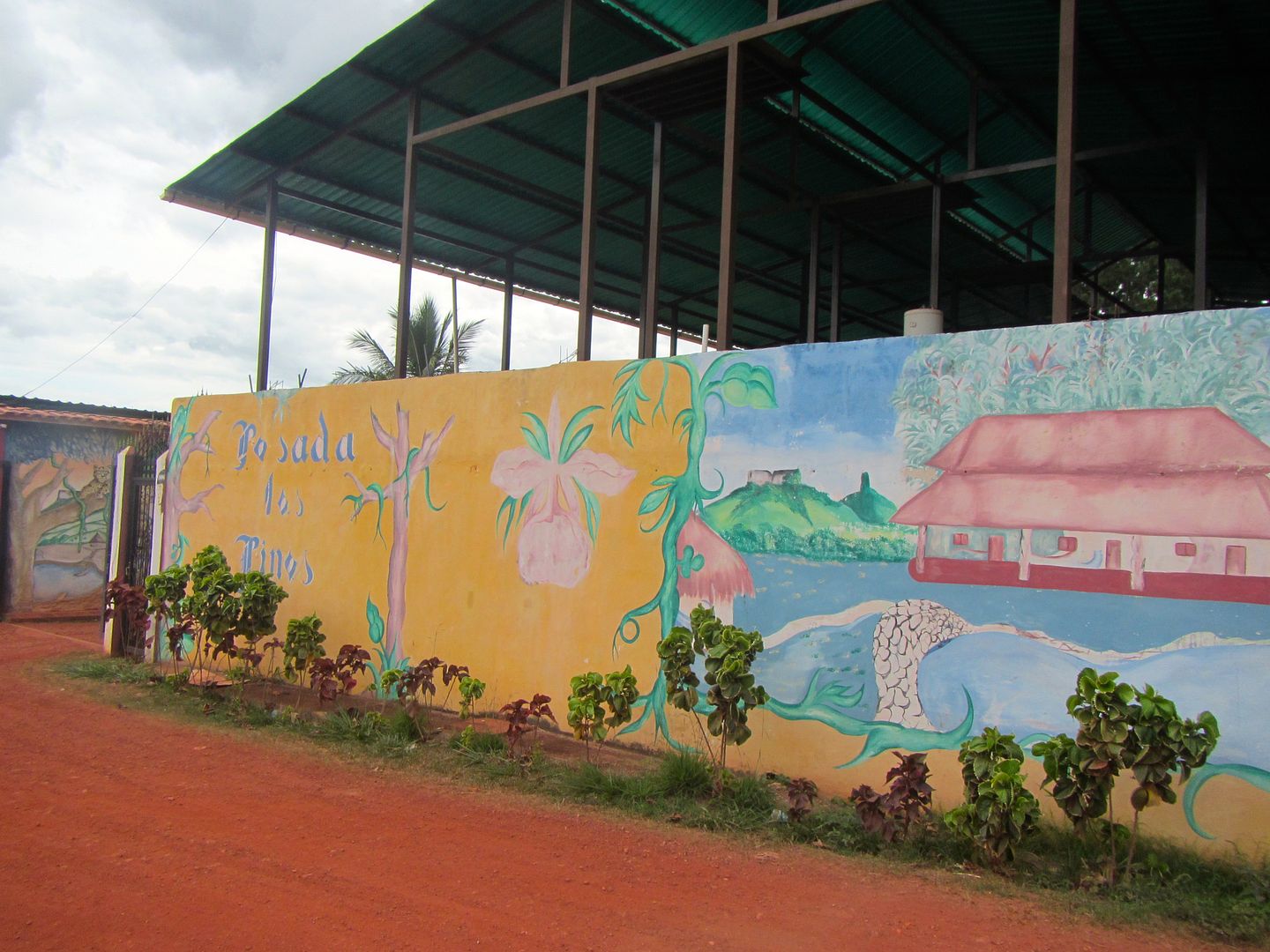
 Eventually I located the Backpackers tours office in Santa Elena after a couple of loops of the centre and was shown to my booked room and was told I could leave my motorcycle inside. I really didn’t like the room, it was sparse and smelly, and even at $5 a night it didn’t appeal. For an extra couple of dollars I was directed to Posada Los Pinos, just out of town where I was to park my bike while on the trek. The rooms here were comfortable and nicely appointed, with local artwork and importantly hot water in the shower! I immediately liked it and the vehicles and tents that I was to use on the trek were all stored and based here. It was quiet and perfect for me, the only guest. Later another young Venezuelan couple arrived, Arturo and Liliana, who were booked onto the same trek.
 After a comfortable night’s sleep I prepared my pack for the trek and the bike for a week’s storage. Another couple, Raymond and Carmen, arrived during the day and we went together to the office in town for our briefing on the trek. Here I met Antoine and Nausicaa from French Guiana, three amigos from Sao Paulo, Brazil and Michael from New York. This was to be our team for the trek. Roman was our guide, a Pemón man who spoke Spanish and English, and he went through the briefing of what was required and what to expect. In retrospect it wasn’t quite enough information on some things but a trip like this needs a bit of nous and experience, a first-timer could get caught out underprepared. Michael was the first-timer in the group.

Sunday, 12 April 2015

Venezuela - Angel Falls

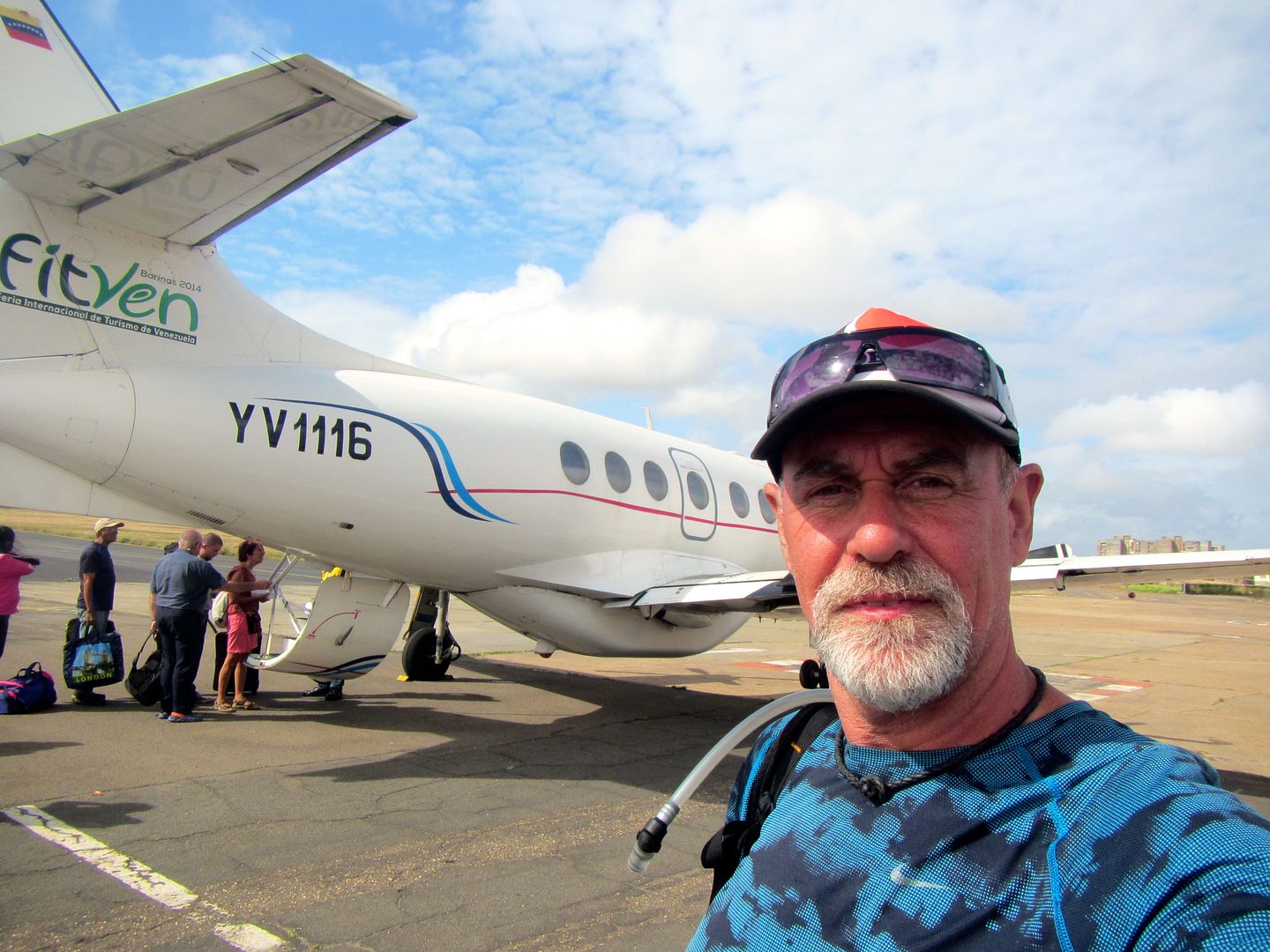
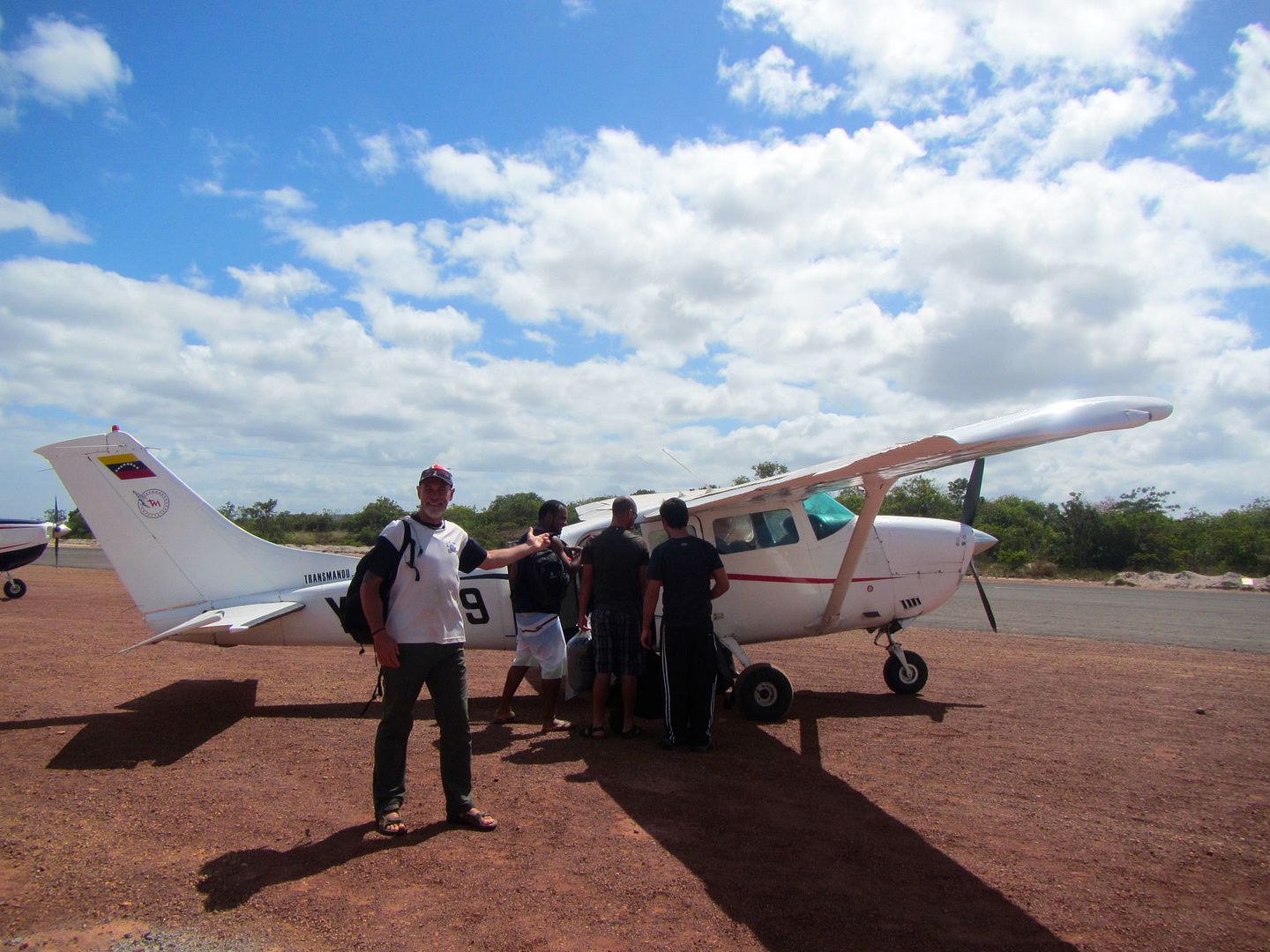
Two mornings later Genio drove me to the airport and I was put on a twelve-seater plane for the one hour flight to Canaima, a small town deep in the jungle of the Canaima National Park. 
Tourists had been coming here for 30 years so they were quite used to the activity. Planes arrived from several destinations with about 50 people in some six or seven groups all converging on the magnificent sights and taking turns walking behind one of the powerful waterfalls. 
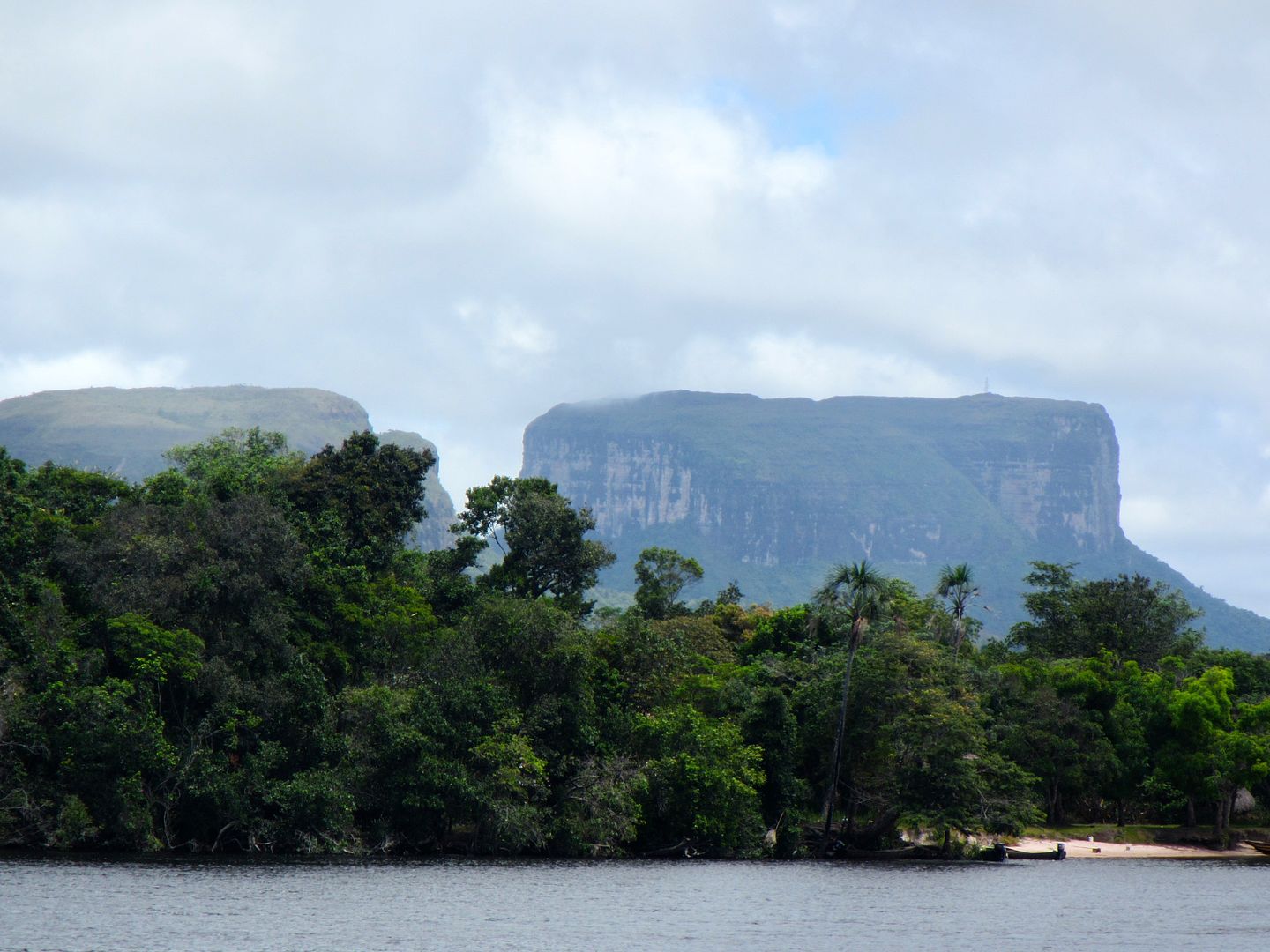
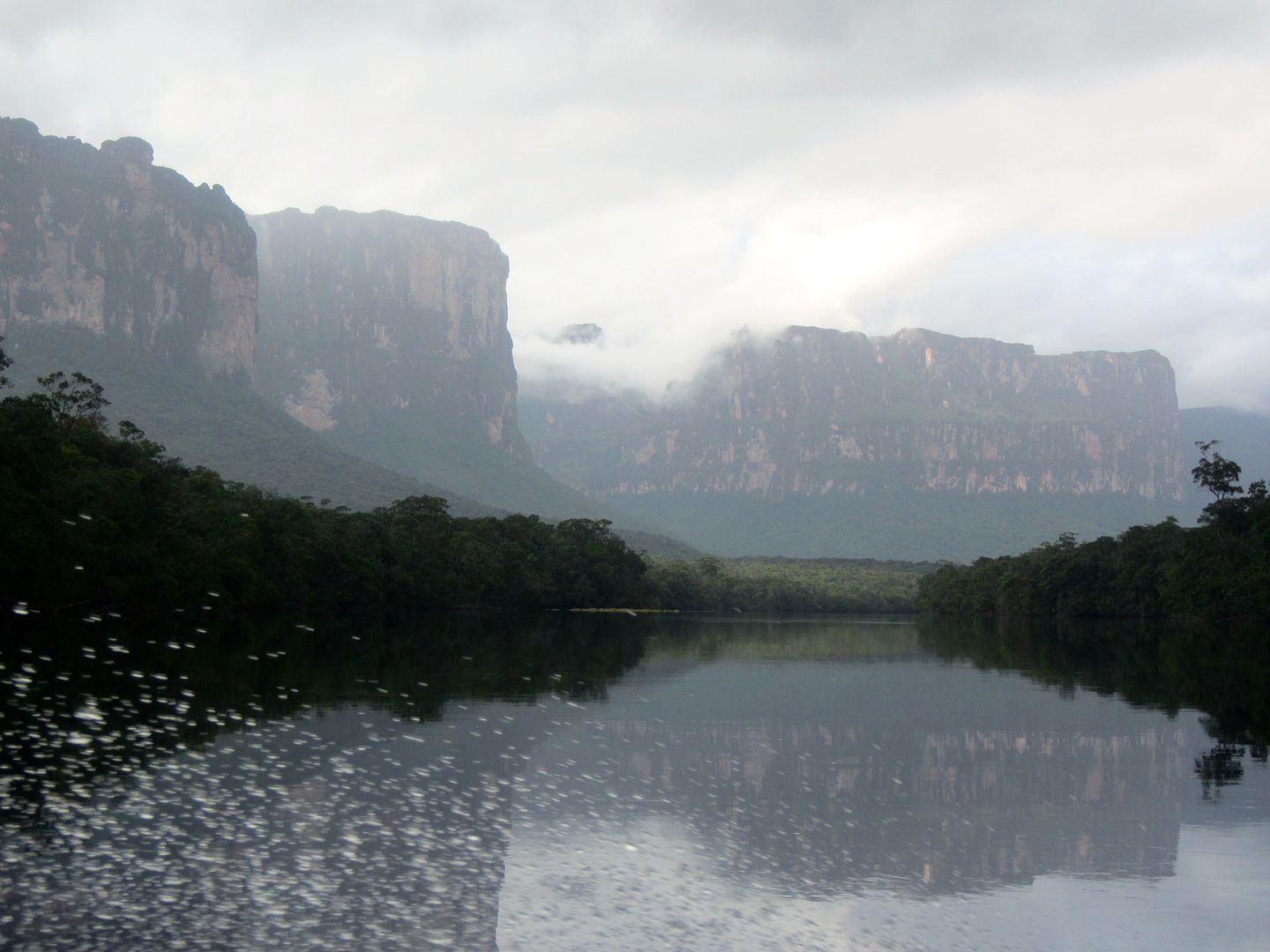
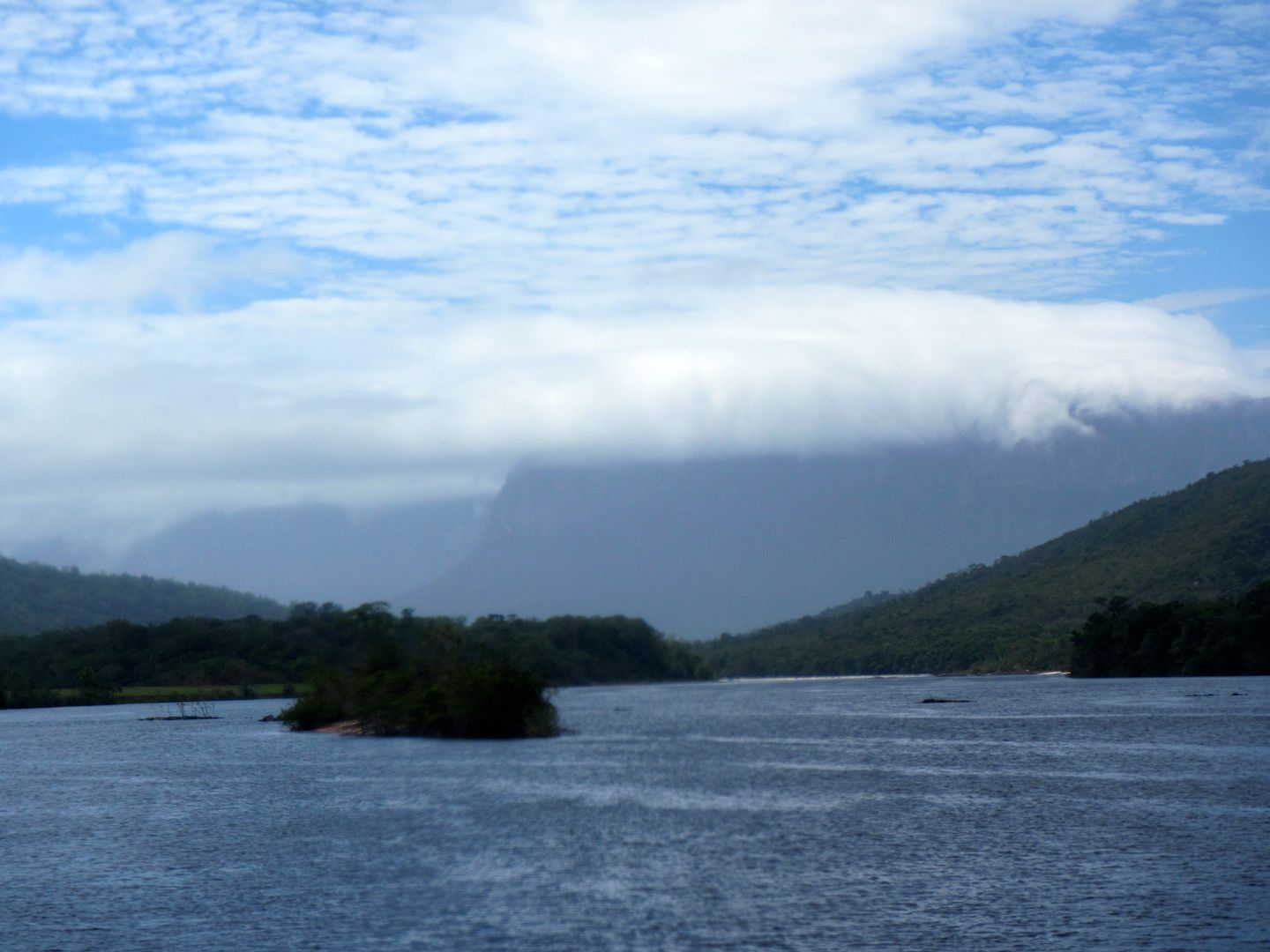
It was a wonderful place, quiet, pure, unpolluted water with a dark tannin colour like a strong cup of tea. In the distance were a couple of flat top mountains that attracted unique cloud formations that seemed to grab and hug the mountain tops before being pulled away in a spiralling stream by a random air thermal.
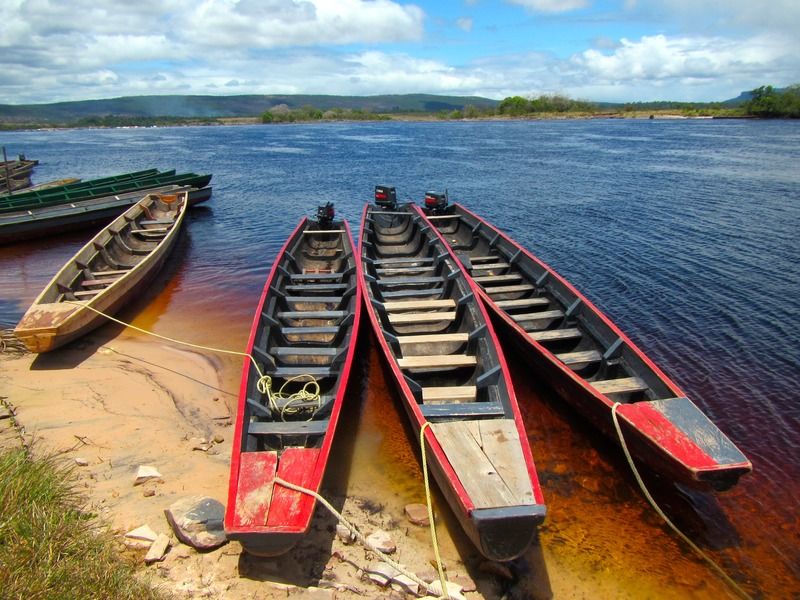
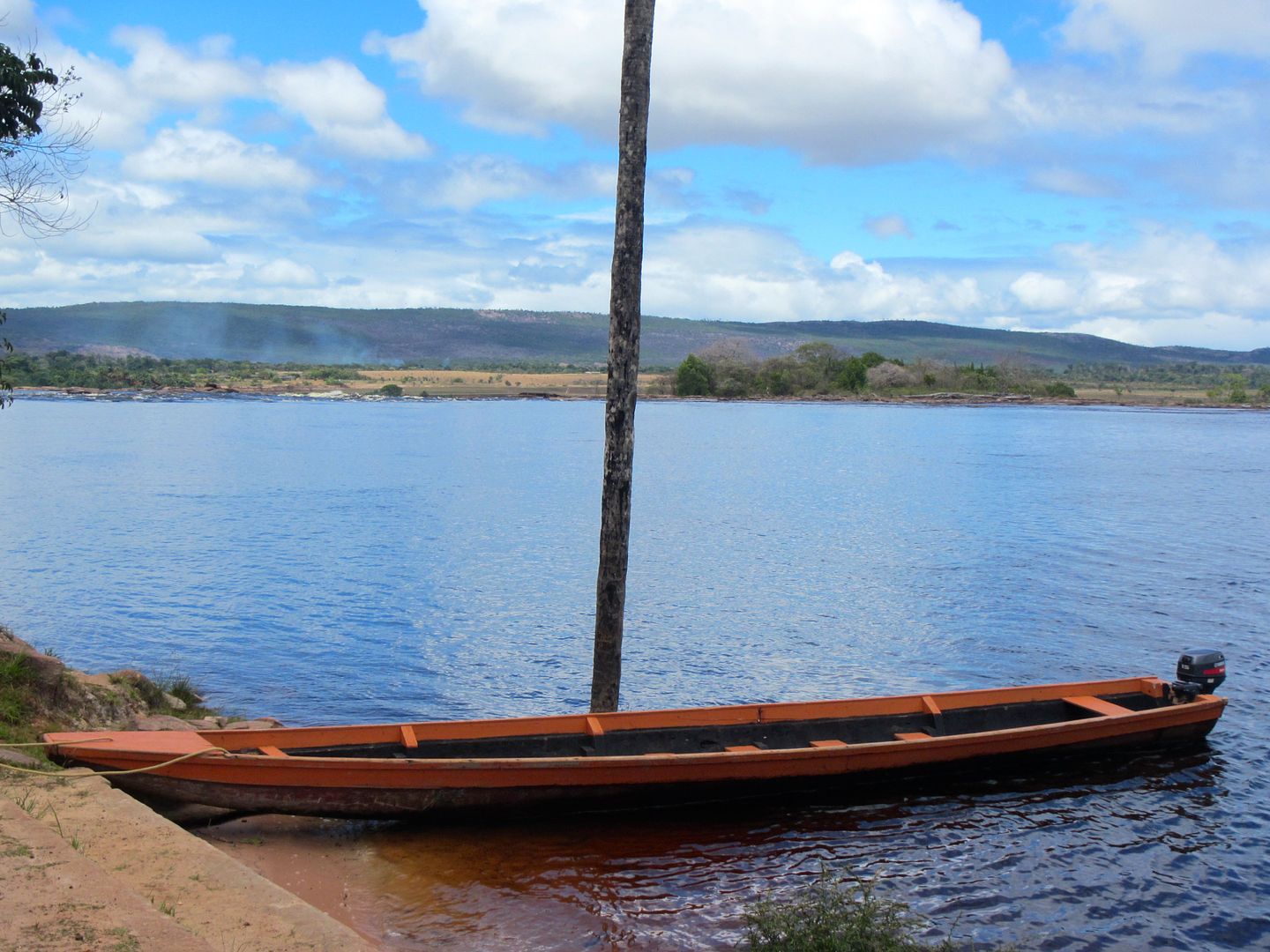
Our Pemón guides spoke English and were tranquil and friendly with that wealth of local lore hiding behind their round brown faces and smiling eyes. They communicated with each other in local language and they spoke Spanish of course. They are masters of their river system, sensitive to the regular ebbs and flows, changing heights of the water depending on the volume of rain upstream. The magnificent long, narrow boats were carved by hand from a single tall tree, the handcraft of thirty skilled craftsmen taking a month for each one. 
Now powered by a 50hp outboard, they skilfully manoeuvred between rocks, up and down rapids and pin-point their berthing at previously invisible set points, perfect stepping stones from the boat to the land for passengers.
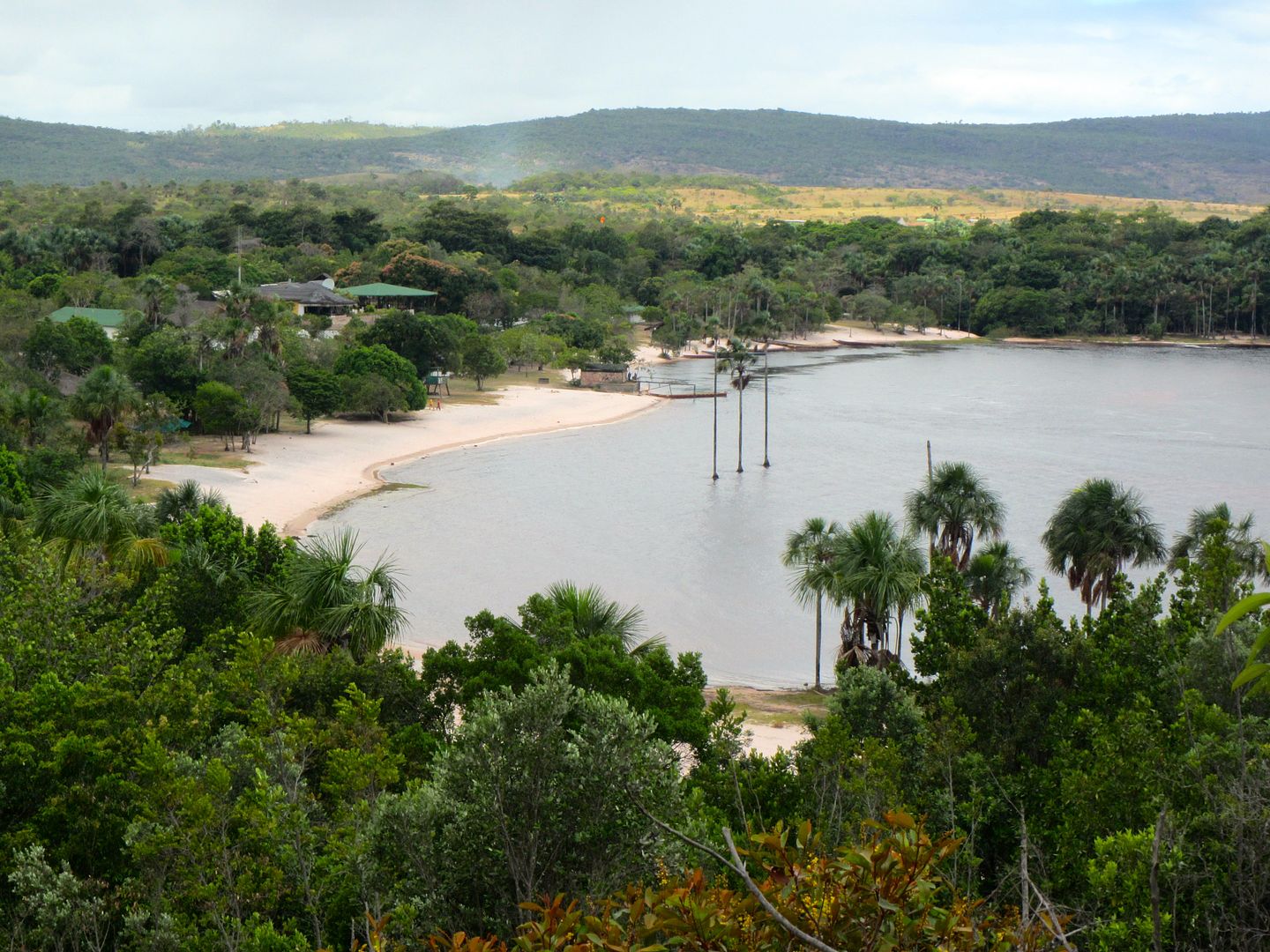
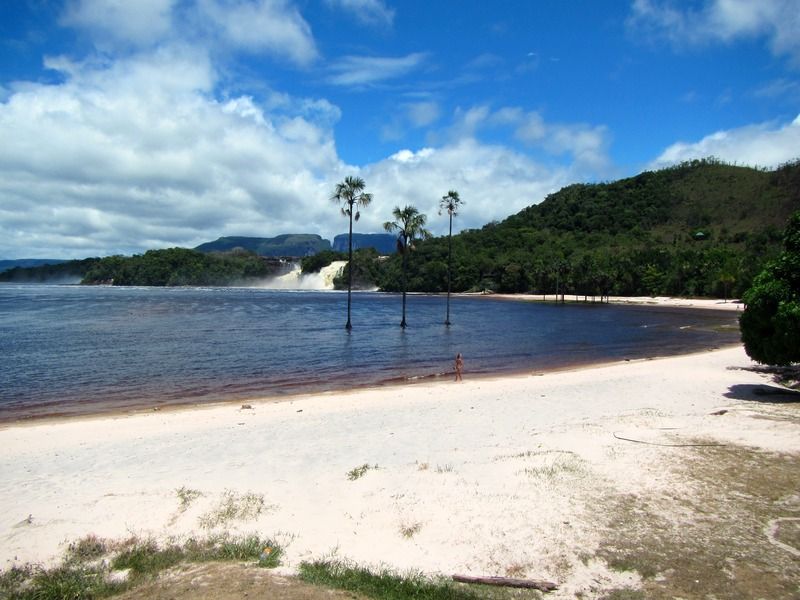
Canaima is set at a unique river junction where the Caroni River pools and flows over six distinct 10 metre waterfalls before flowing the opposite direction north towards Puerto Ordaz. At the base of the falls is a wide bay fringed with tropical white sand and thatched-roof huts set up for tourists, amongst the local stone and brick houses. 
School, shops, life as usual continues for the Pemón community around the resort-like buildings. Five fit-looking young men walk back from the oval, passing the soccer ball; three 12yo girls in school uniform of blue tunic and white blouse run past laughing with their long straight hair flowing like a horses mane behind; young mothers walk with babes in arms and young boys can be seen darting up alleys between buildings. 
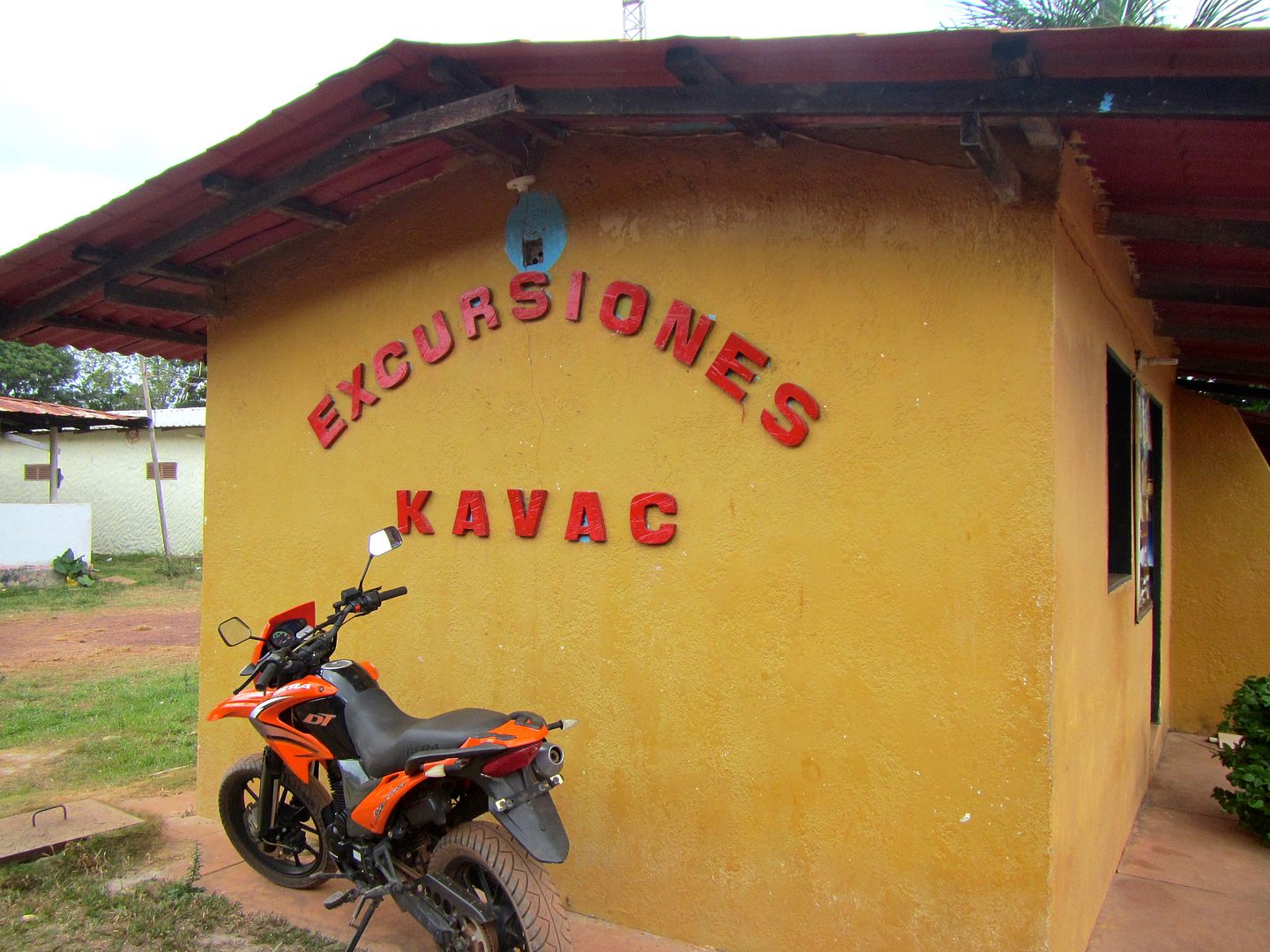
 Everything is flown in so prices are much higher than elsewhere but still cheap. Our meals are included and the Kavac tour company has humble rooms and a central mess hall where our prepaid meals are eaten. 
Several different tour companies operated by locals can be determined by their different trucks carting their group for the couple of days around from sight to sight. All busy, but all relaxed, all smiles and nobody in a real hurry.
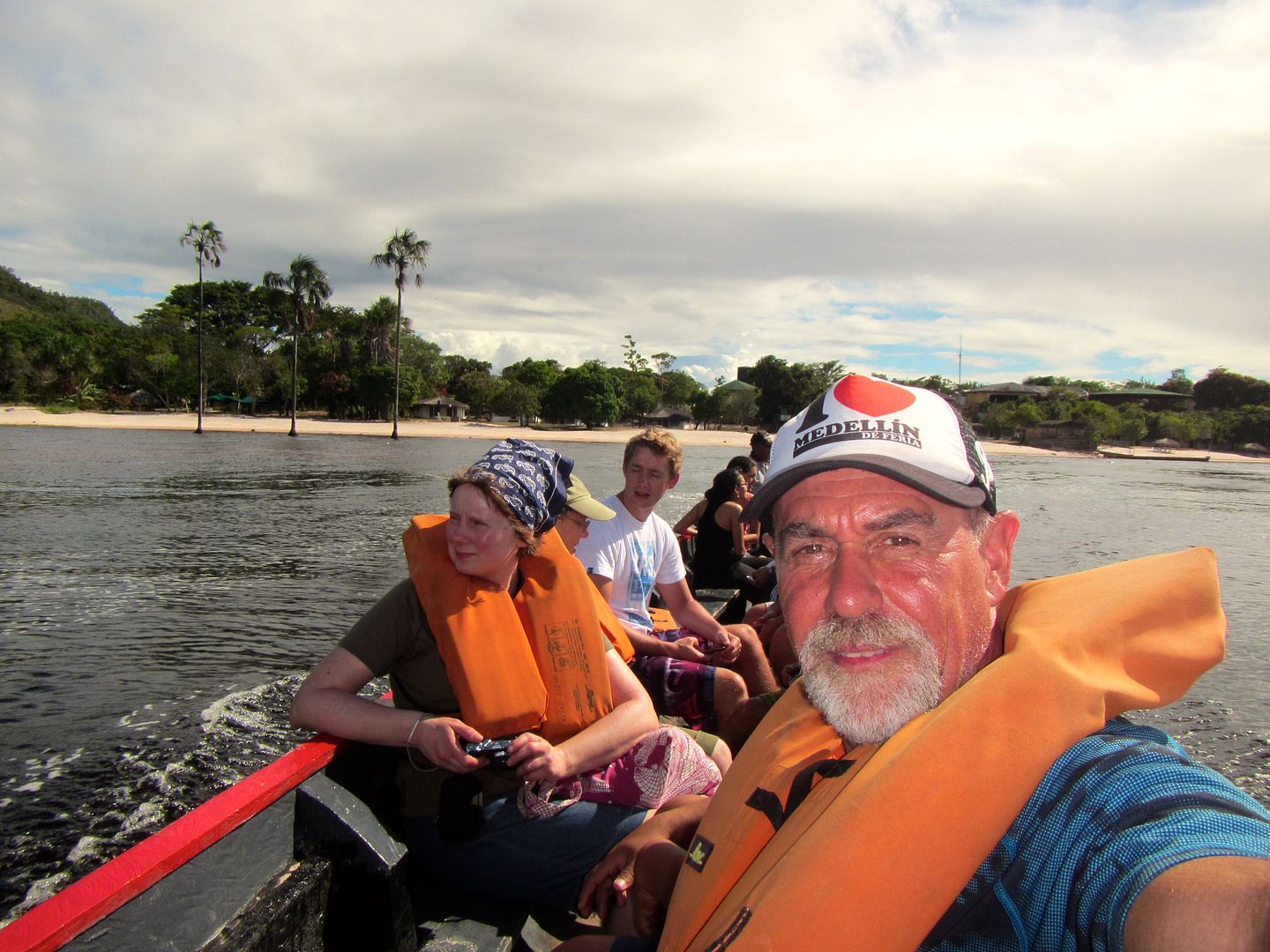
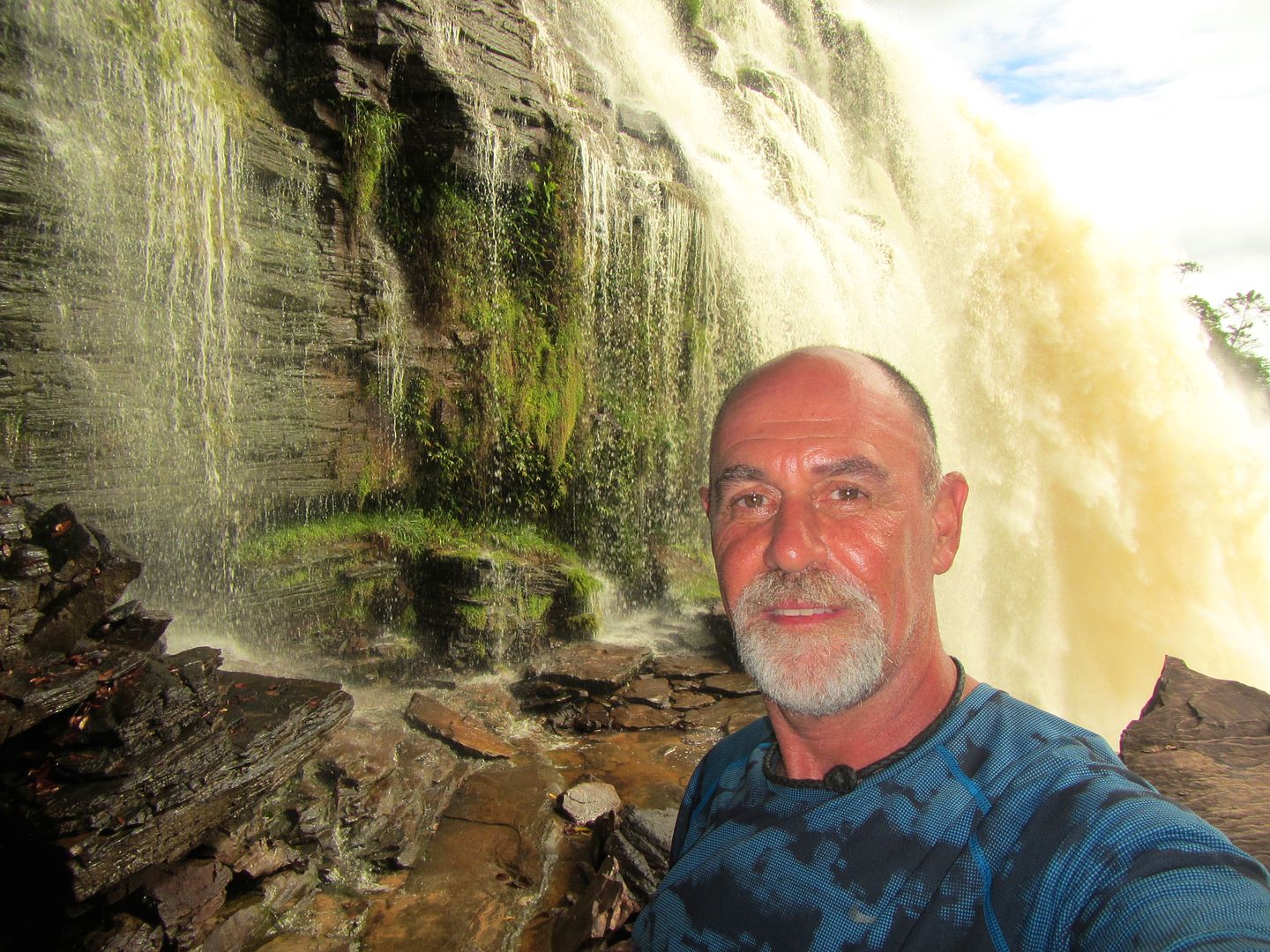
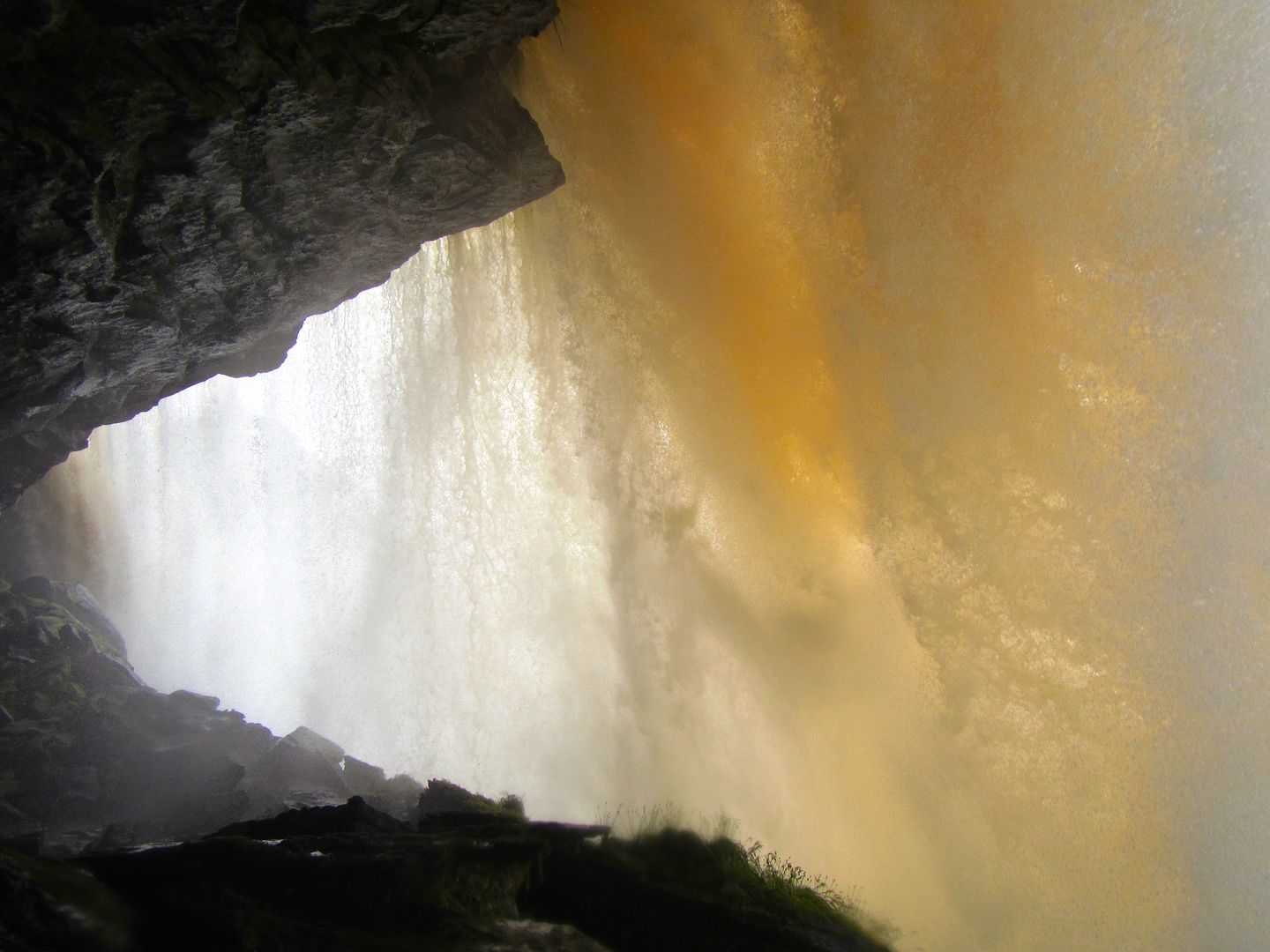
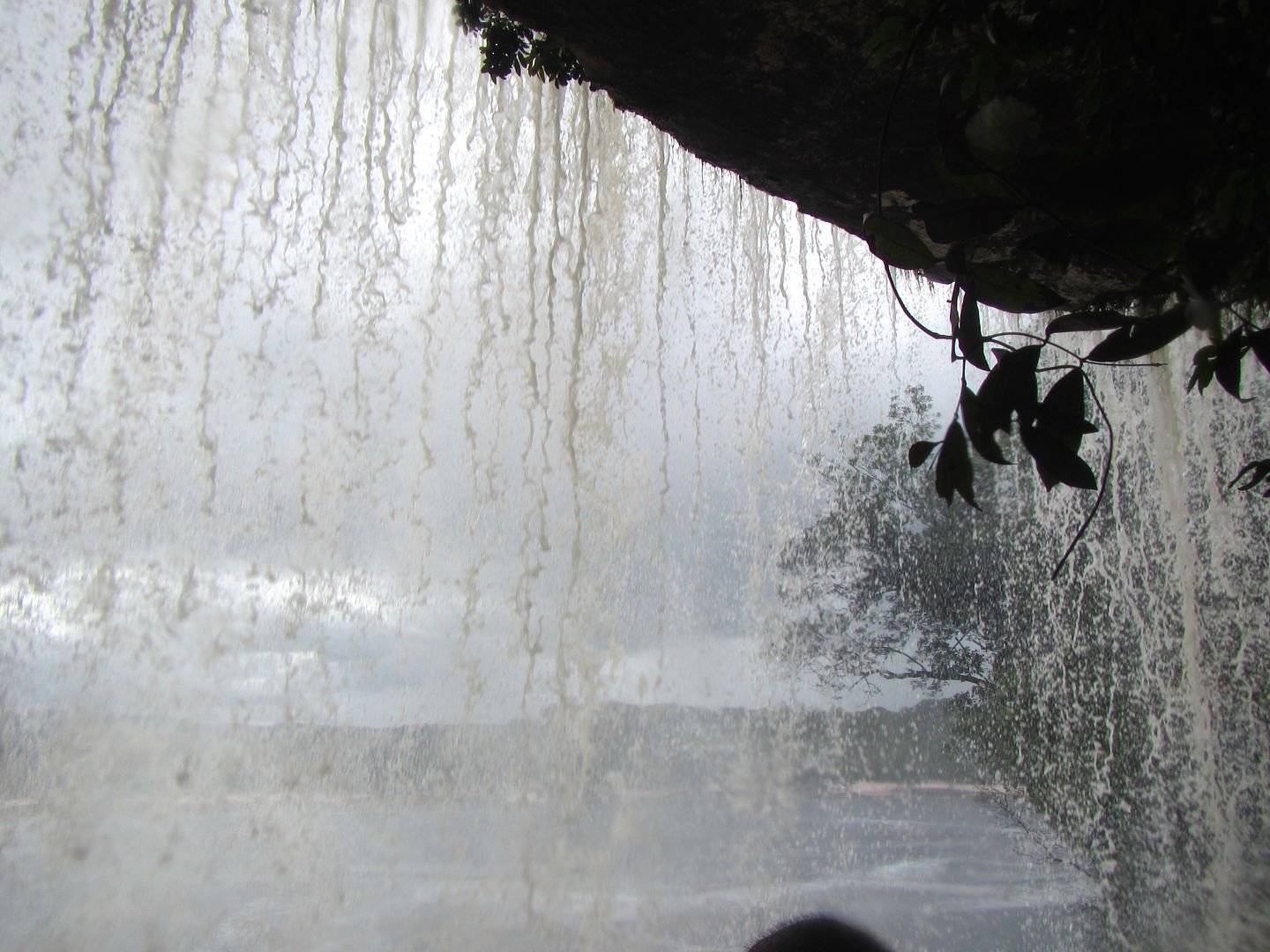
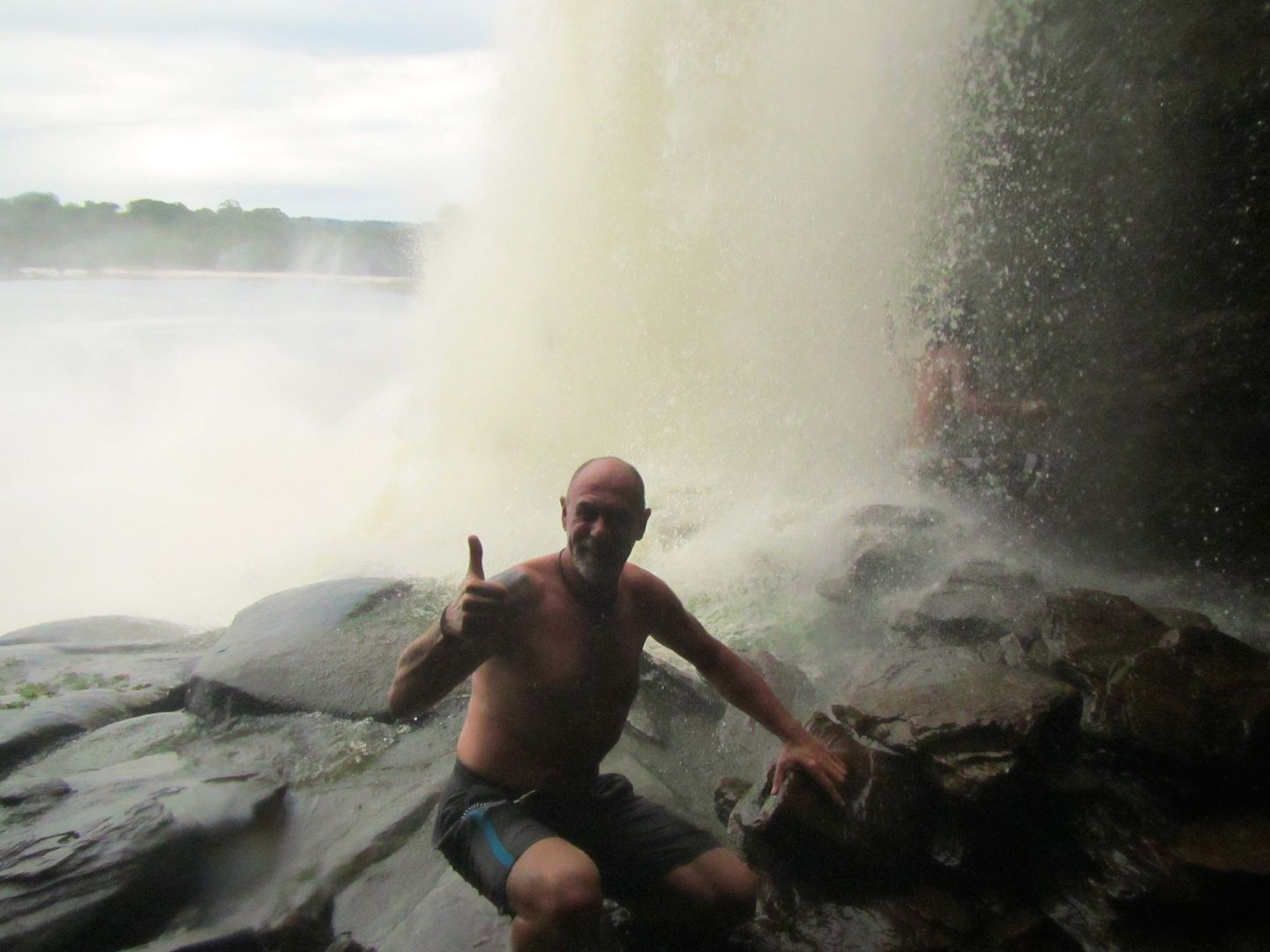
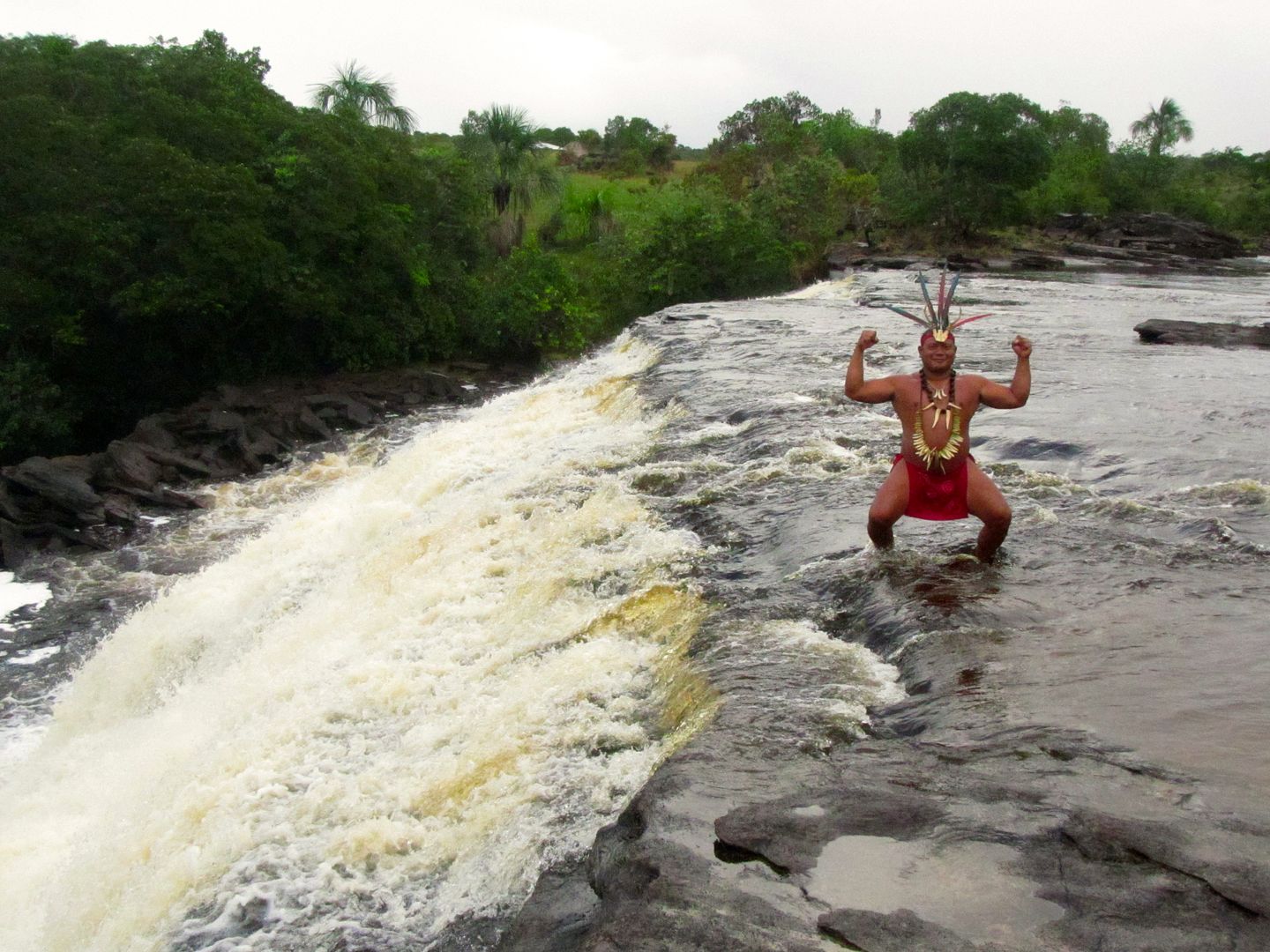
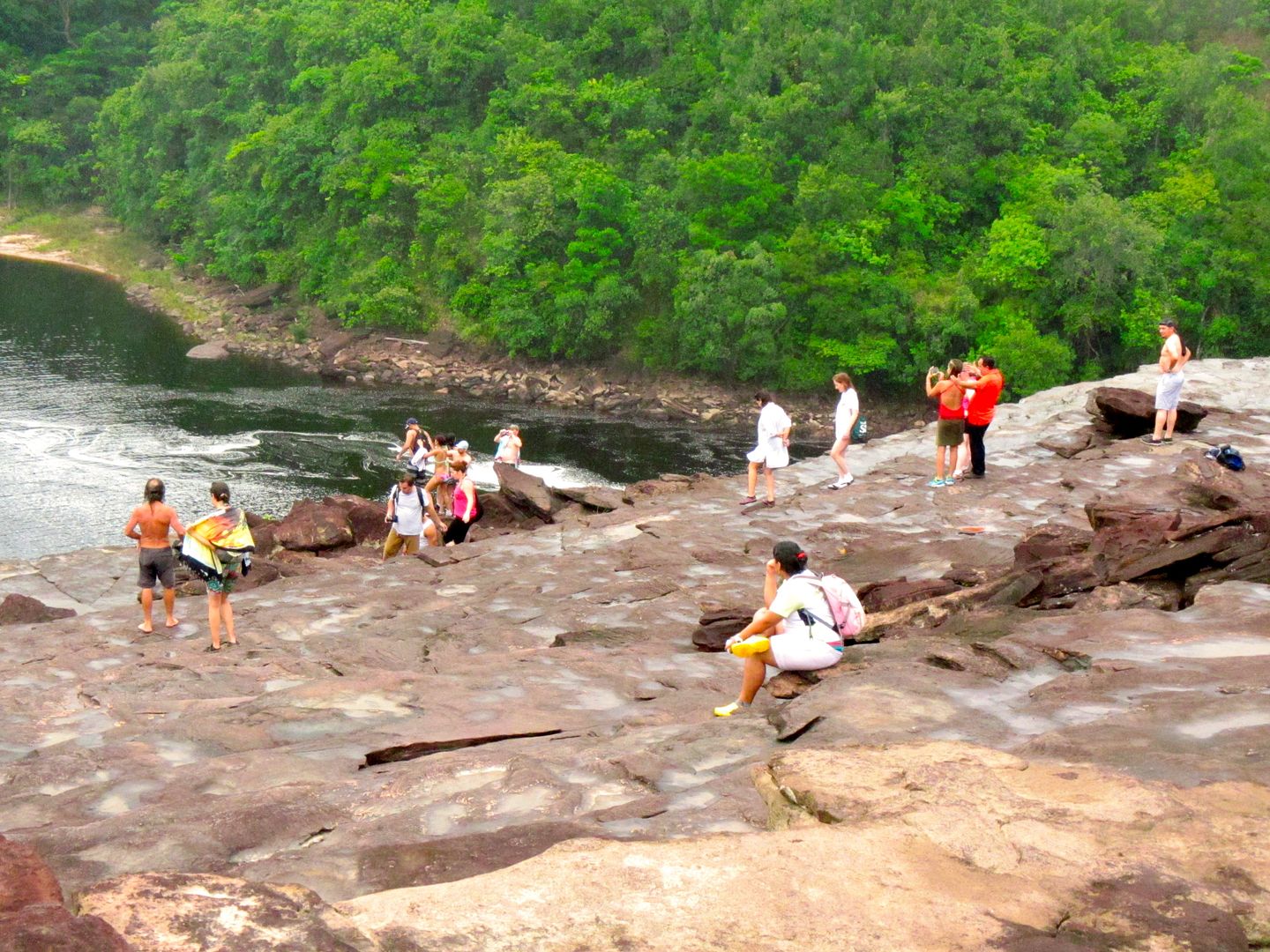
At 2.30pm we were picked up and driven to the sandy beach, loaded into a long red boat boat and driven across the lake to each of the waterfalls. We rode the boat close to the falls that sprayed us with white water and tossed us around in the churning water beneath. Berthing slightly down river we walked behind one of the waterfalls as the thunderous crashing of water filled the senses with noise, spray, wind and the smell of green mosses. The heavier fall was impossible to see through and walking behind tons of cascading water reminds one of our fragility, the water capable of crushing a person to death. Wondering at this marvel for some time we were then led along a narrow beach to a path that took us to the top of another two waterfalls. The dry season was apparent here as we stood on rocks that obviously were part of the wider falls in higher flow times. It is the dry season.
 Surprisingly there would have been thirty or forty people in small groups being shown around and it was nice to meet and chat with others. A number of Brazilians were there, lots of Germans and a couple of Americans but I didn’t detect any Aussie accents. Come on guys, where are you??
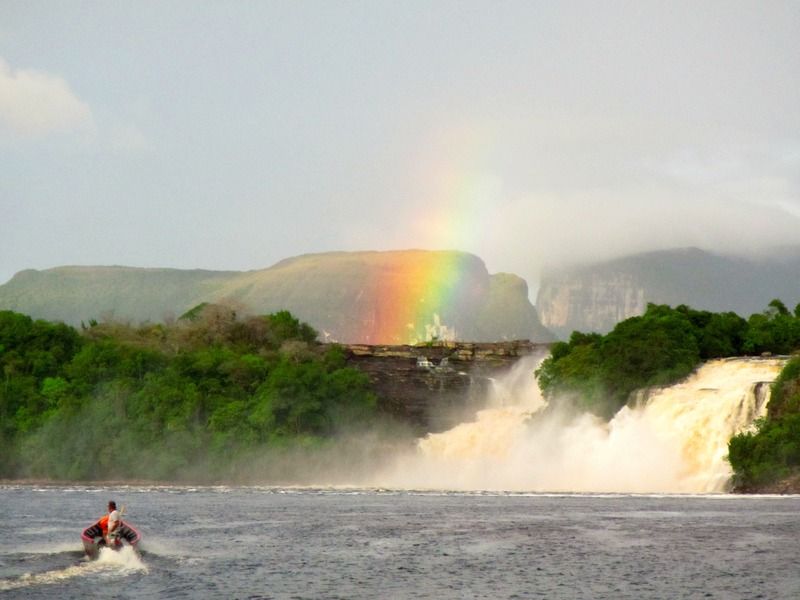
Eventually we walked back to the boat and we were treated with a colourful rainbow over one of the falls as we pulled up on the shore where we had started.
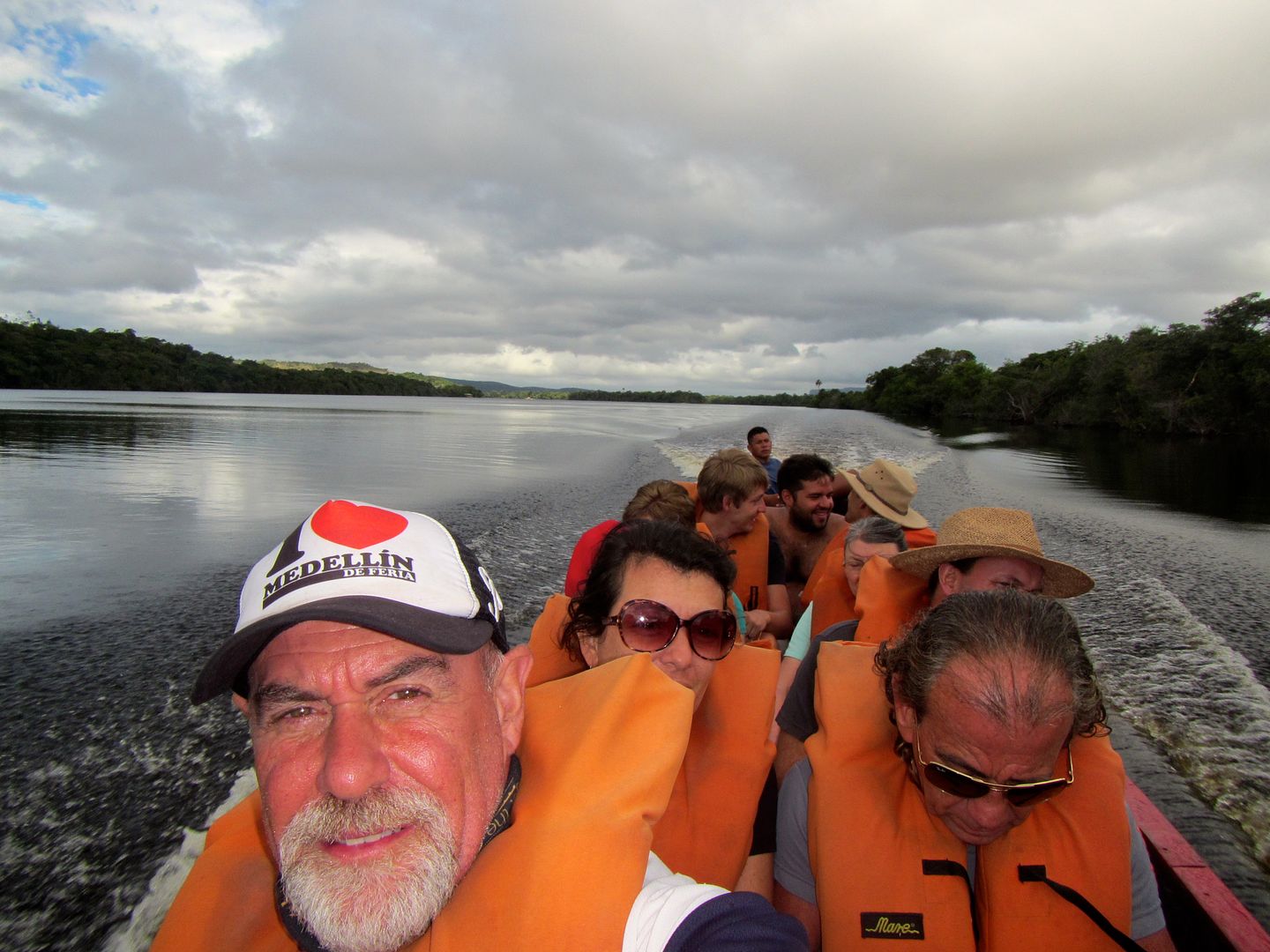
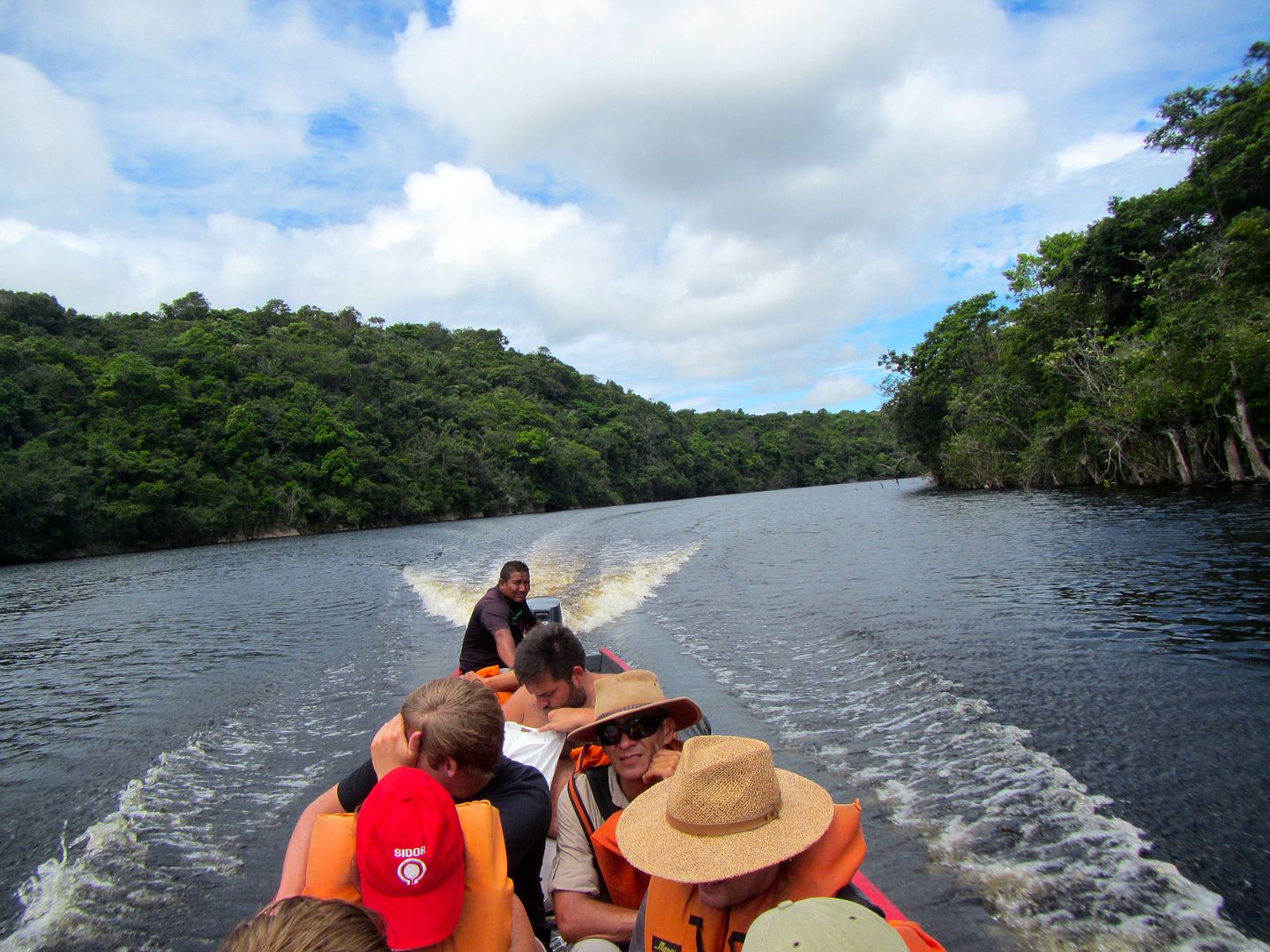
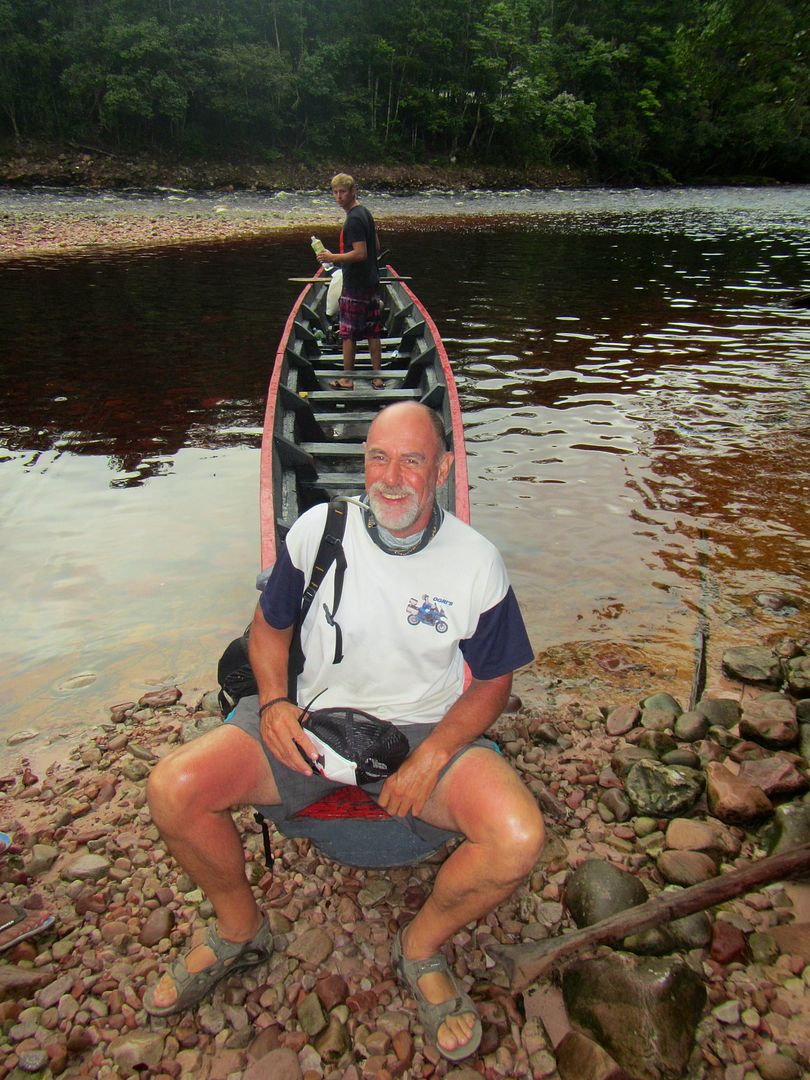
 We ate breakfast early the next day and were in another boat by 8am, this time leaving from above the local waterfalls to head upstream. We selected our positions on the hard wooden seats and prepared for a four hour trip up the Caroni River.
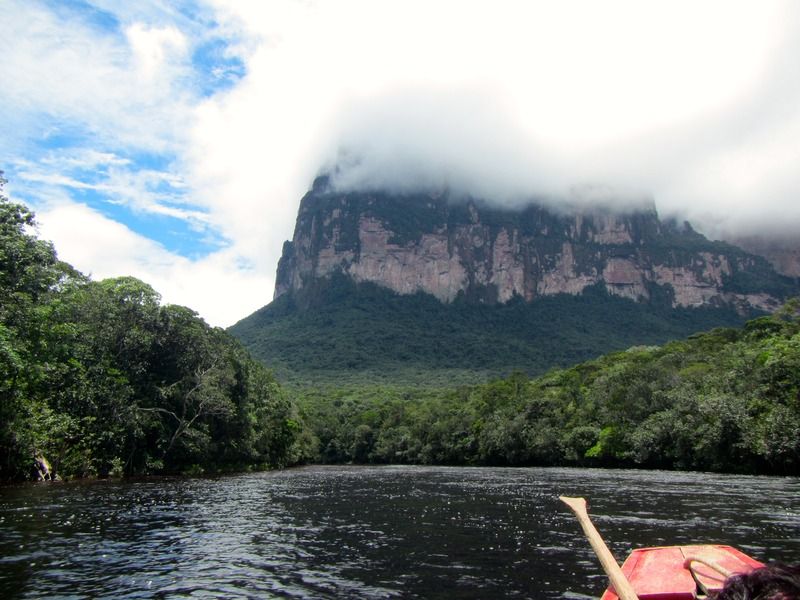
The skies were cloudy but not threatening rain, still we had our raincoats on hand. The boat took us up the wide river for thirty minutes with one imposing flat top mountain in view as we passed the undulating landscape with low shrubs and not a lot of trees. Stopping at a small bank we had to walk for thirty minutes past a small village while the boat handlers took the craft up through the rapids ahead. For safety they didn’t take passengers up this part.
We walked in a group past some small native huts and a school that was set on a rise with the backdrop of flat-top mountains that again attracted surreal cloud formations sitting atop like cotton wool. 
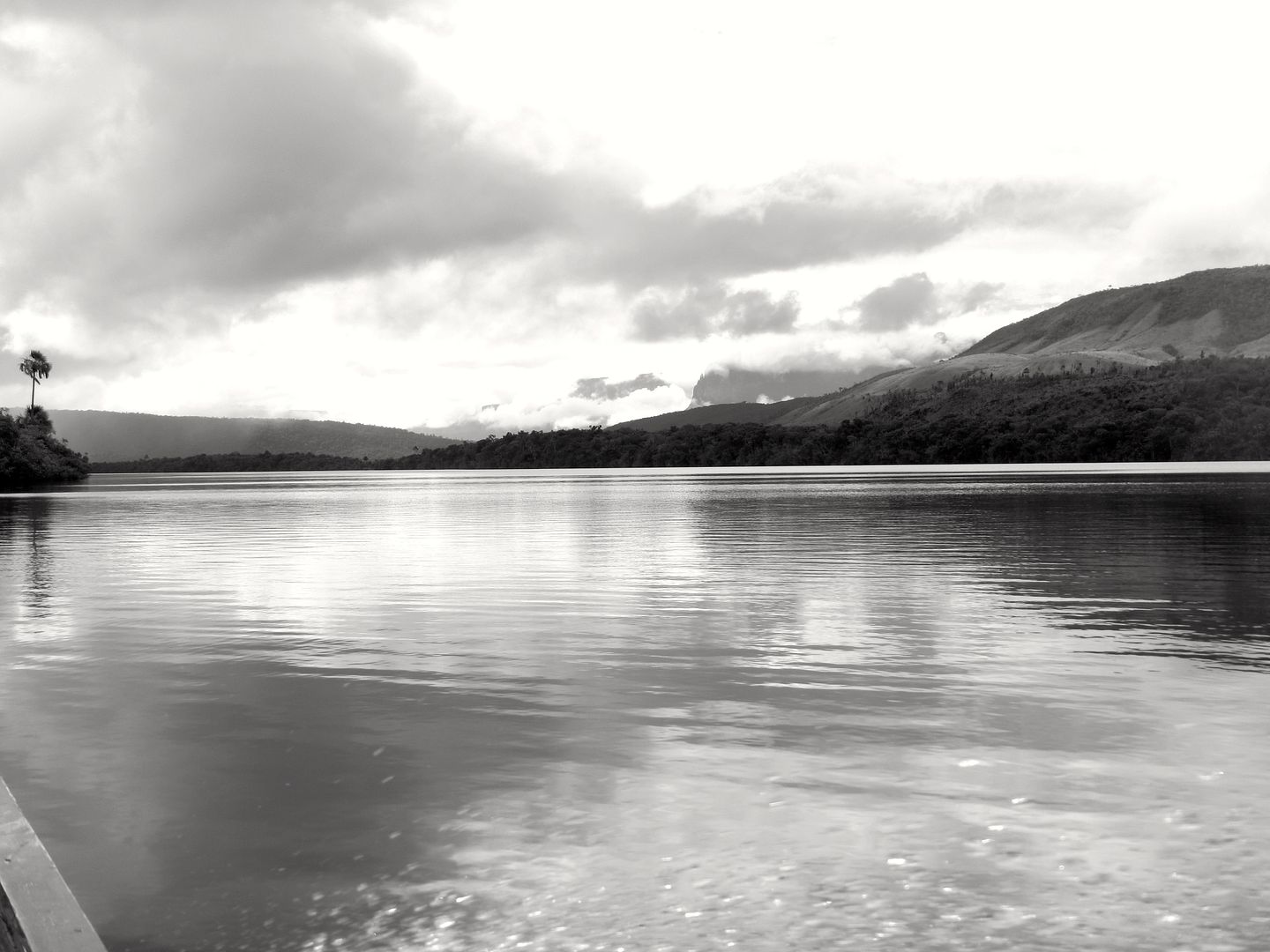
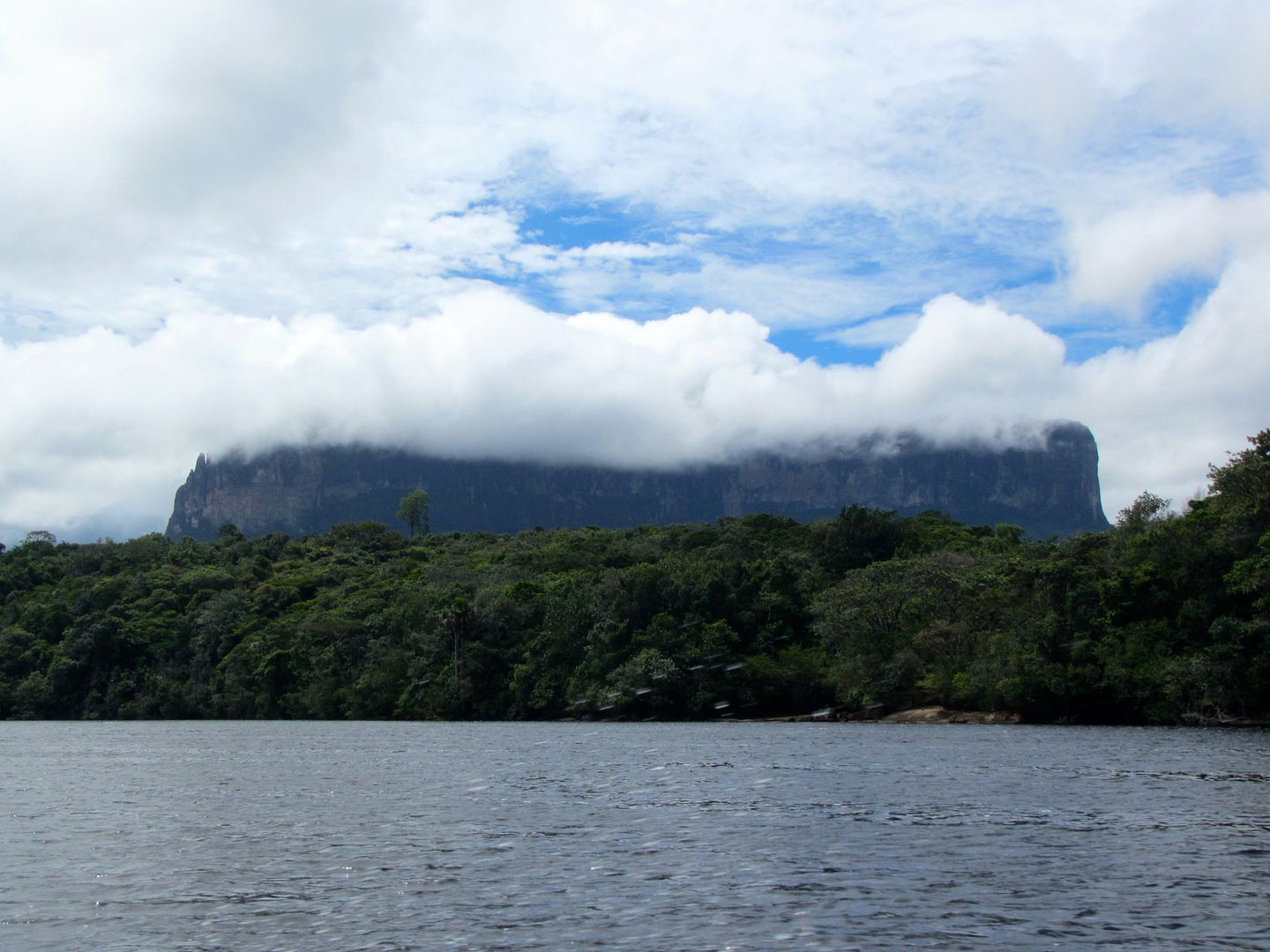
The light brown clay and sandy track took us through low shrubby land that was dry and as the sun emerged from behind the clouds it became hot. The river was to our right and ahead another imposing mountain raised it’s clouded head in the distance with the wide lake-like portion of the river coming into view in the foreground.
 The boat was there waiting for us and we resumed our original seats and headed towards the mountains. The scenery changed as the jungle closed in and the shrubby dry landscape disappeared. The river was wide and flowing quite strongly against the direction we were going. 
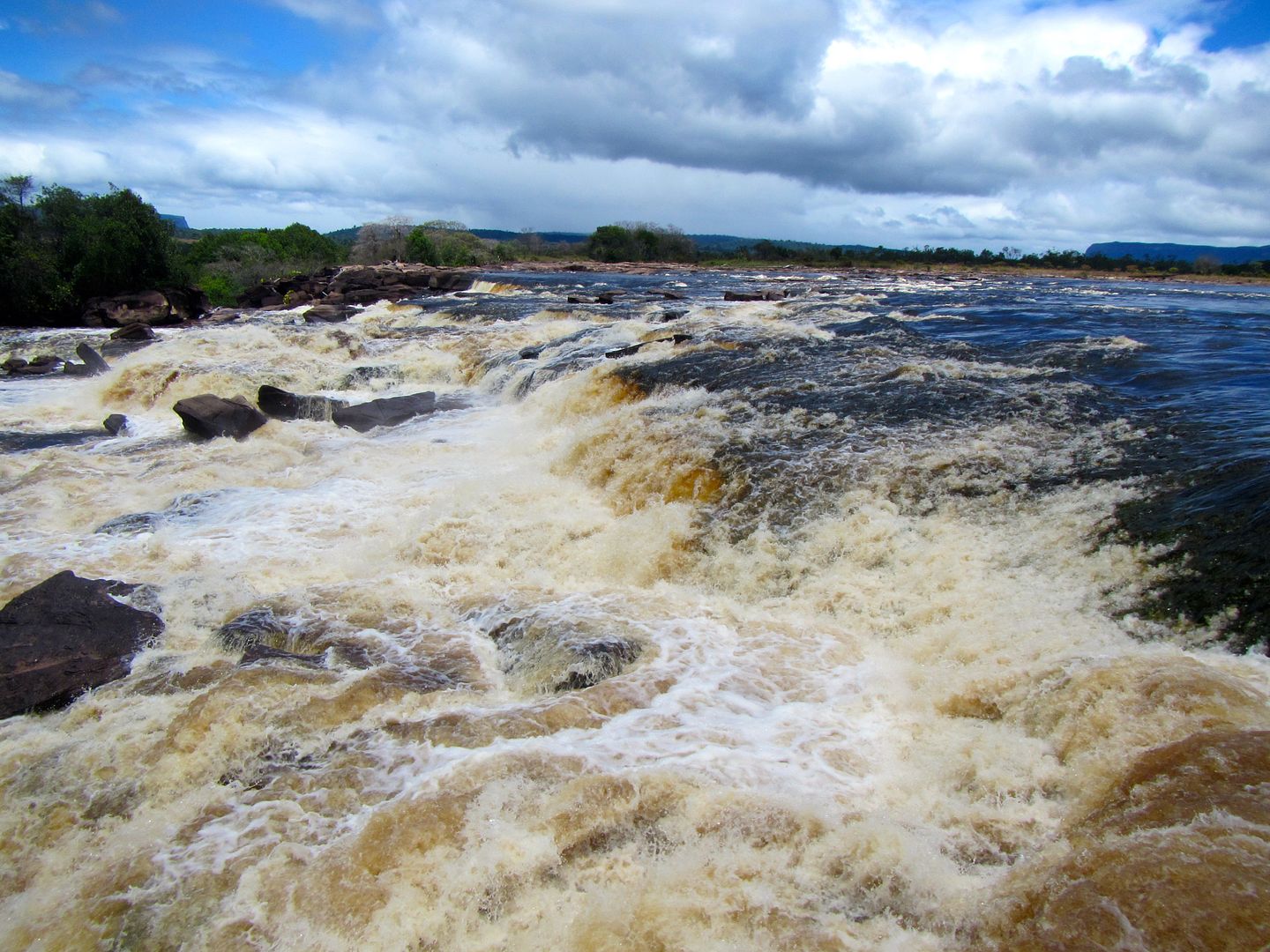
There were many more small rapids along the way, some swirling smooth water in contorted shapes around large worn rocks and other areas covered with smaller pebbles and rocks caused a choppy turbulence the width of the river. The skilled boat handler picked his route deliberately around each rapid with the occasional bow wave spraying into the boat.
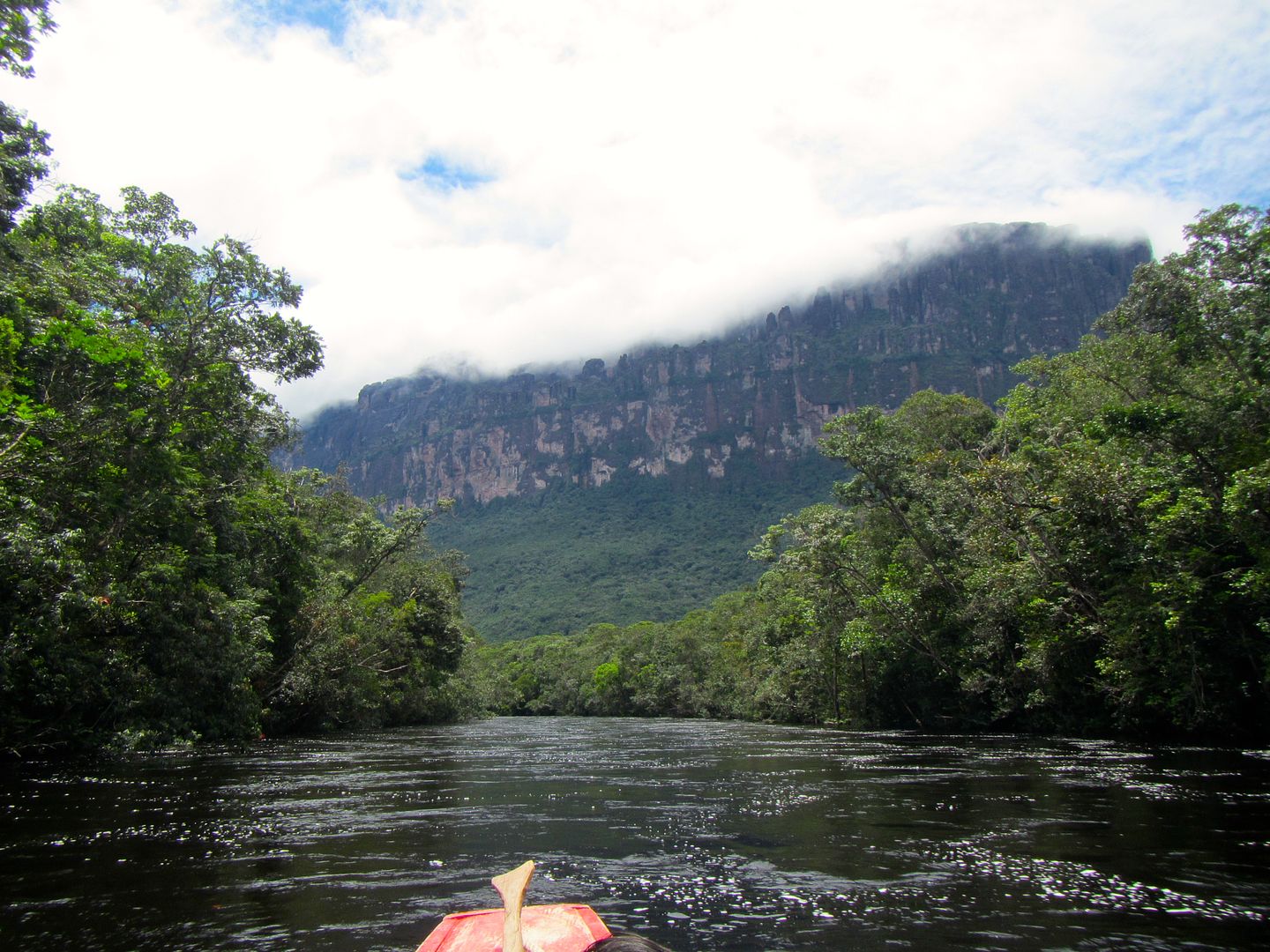
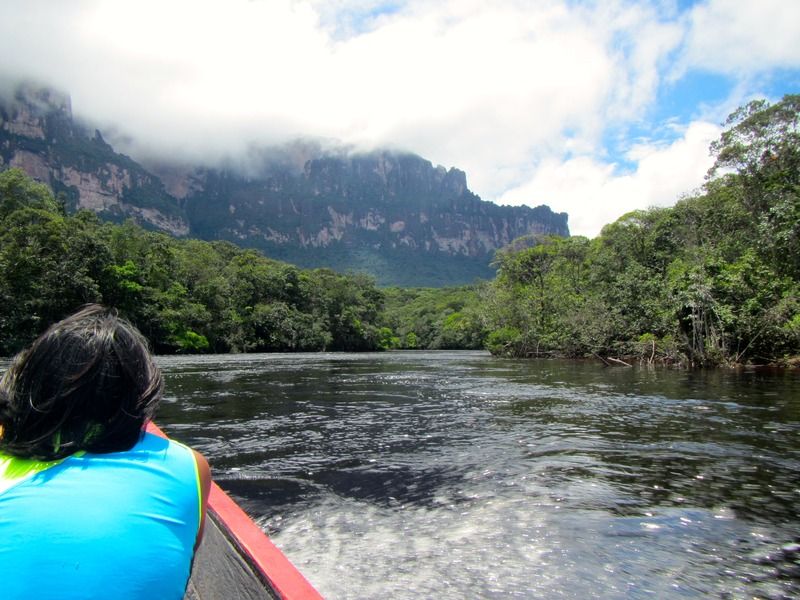
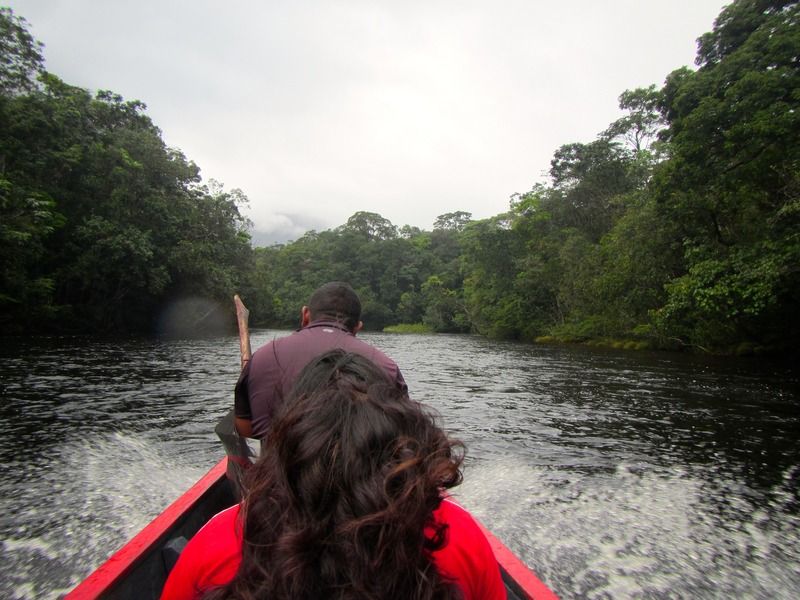
 After an hour or more on the main river we took a left fork into another river that comes directly from Angel Falls and headed up the narrower, jungle-lined river, again navigating around numerous rapids along the way. The mountains became taller and more grand as we wound south towards the falls. 
Large walls of flat-top rock sprouting numerous waterfalls on all sides from the ever-present cloud forests. We were in the land of the giants. The jungle was close as we manoeuvred around rapids with old trees bowing into the water, unusual ancient flowers bursting with their spindly petals from twisted green bases, and bright pink orchids, the first for the season, appearing in some places.
 Surprisingly there were not any animals and few birds to be seen, the thick jungle obscuring any view inland with the exception of a few small sandy spots. It was a journey back through time, an ancient jungle that has remained the same for possibly millions of years with the Pemón people inhabiting the land for more than 20,000 years it is believed. They are at one with their environment; confident, strong and constantly reading the language of this natural wonderland.
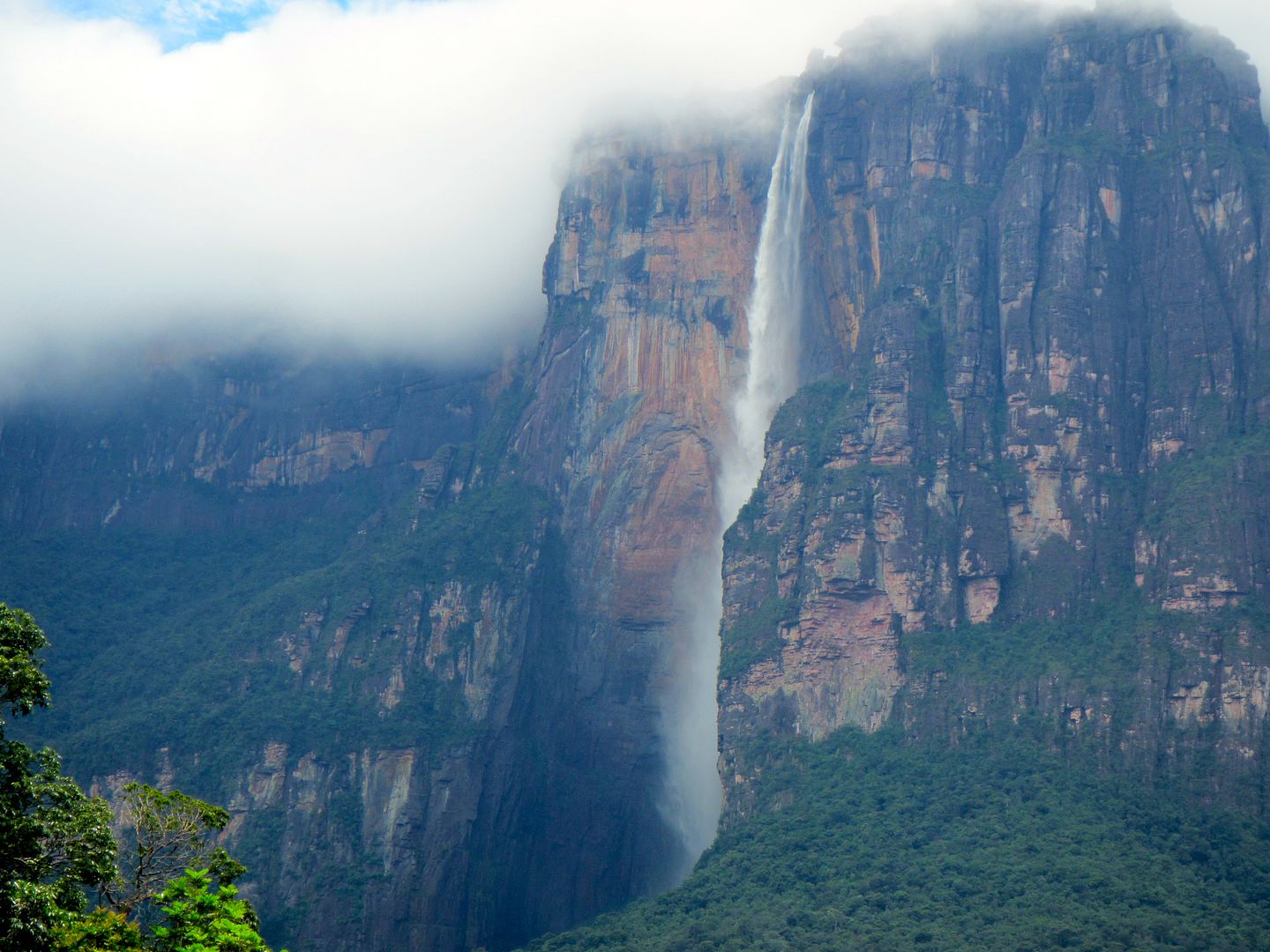
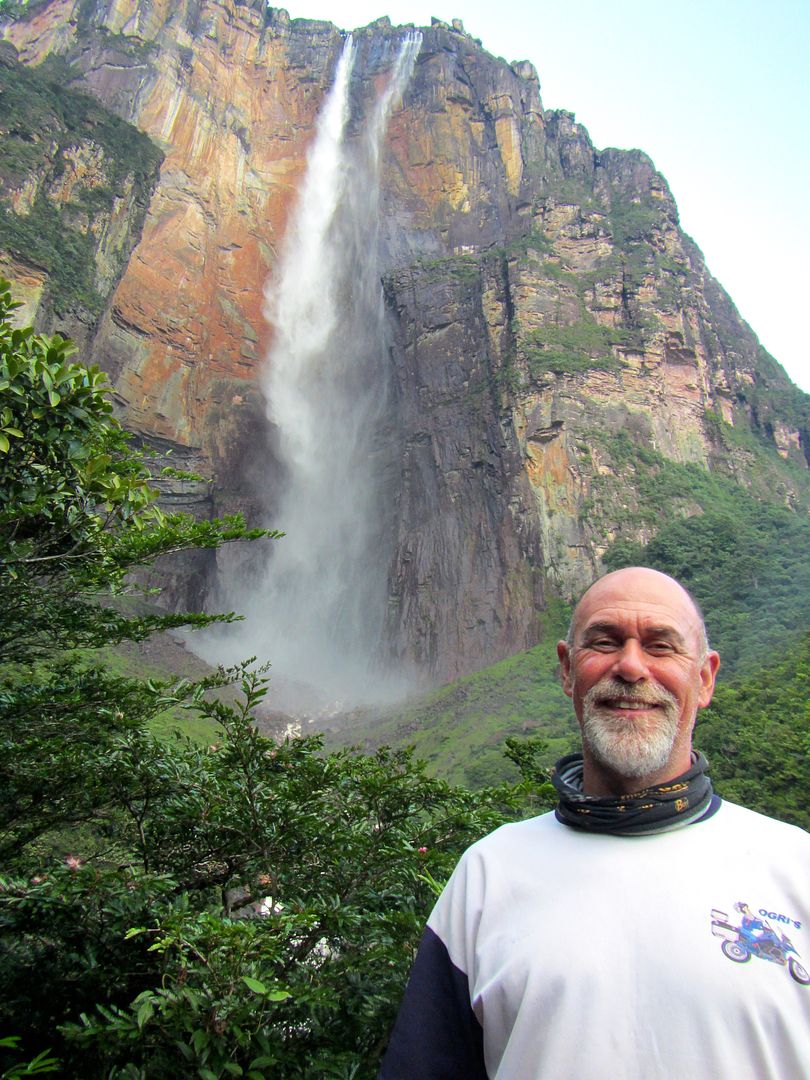
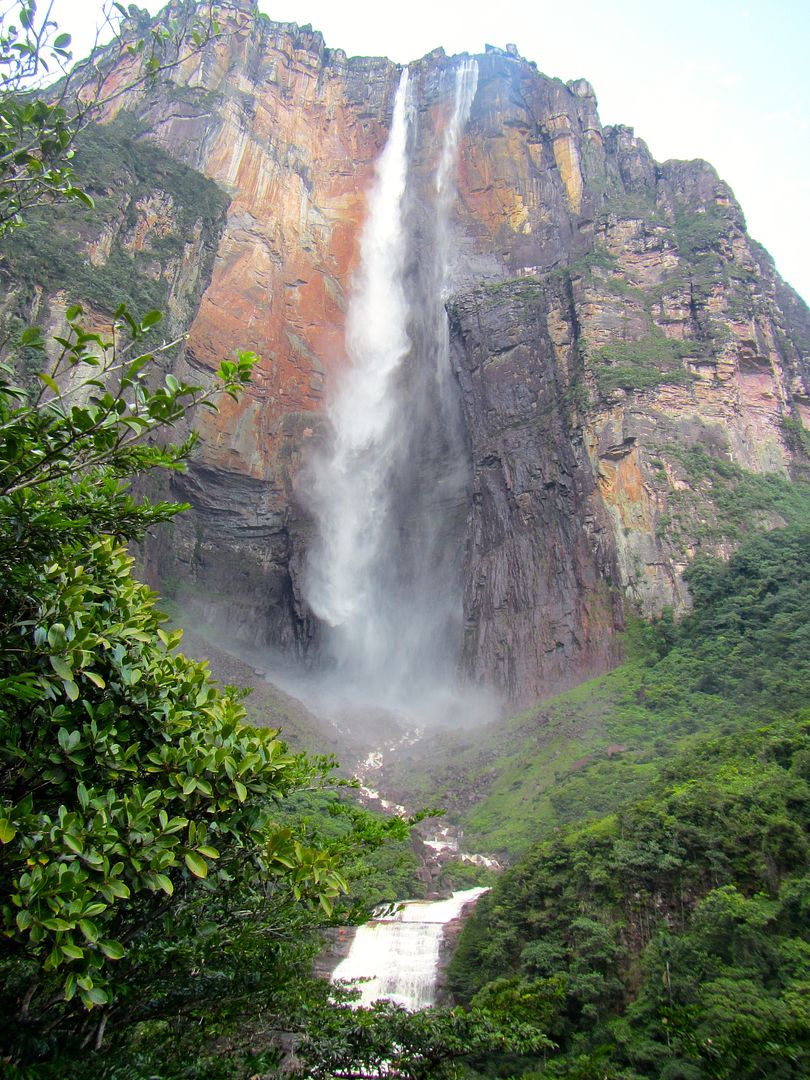
 Suddenly as we rounded a bend our first view of Angel Falls appeared, imposing at a distance with the bottom half obscured behind a large skirt of rock. 
The highest waterfall in the world at 979 metres was beckoning and compelling me with its majesty. Winding through some more jungle we came to our camp, a simple iron-clad shelter with a dozen hammocks hanging from the rafters. This was wet tropical rainforest at its virgin best. The smell of the water acting on the soil filled the nostrils with a freshness long forgotten in our busy cities; pure water laden with minerals and unpolluted flowing over sand and rocks from ancient times. The dank darkness of the forest has a welcoming feel like being hugged by a huge living blanket, the still air and humidity you can taste.
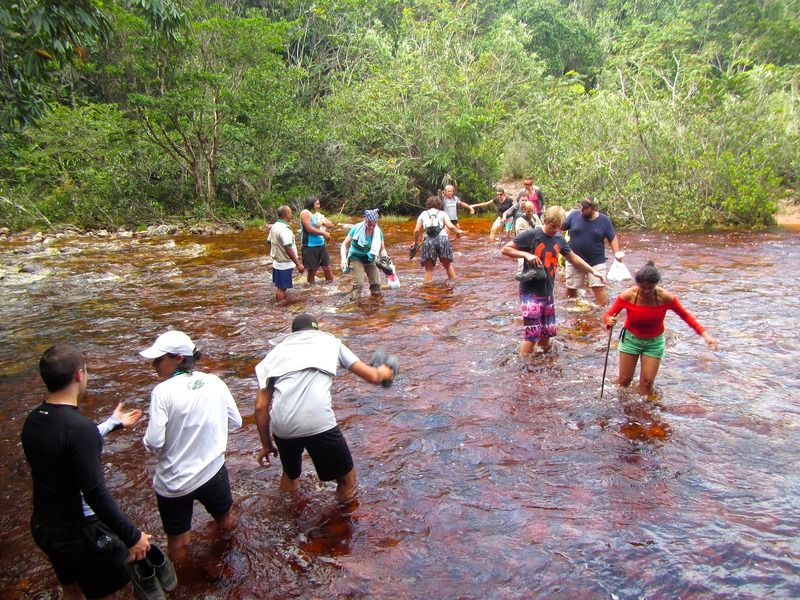
 We headed off immediately on the hour-long walk to the viewing point of the falls, firstly crossing a small flowing tributary less than knee deep and following the narrow path into the thick towering rainforest. 
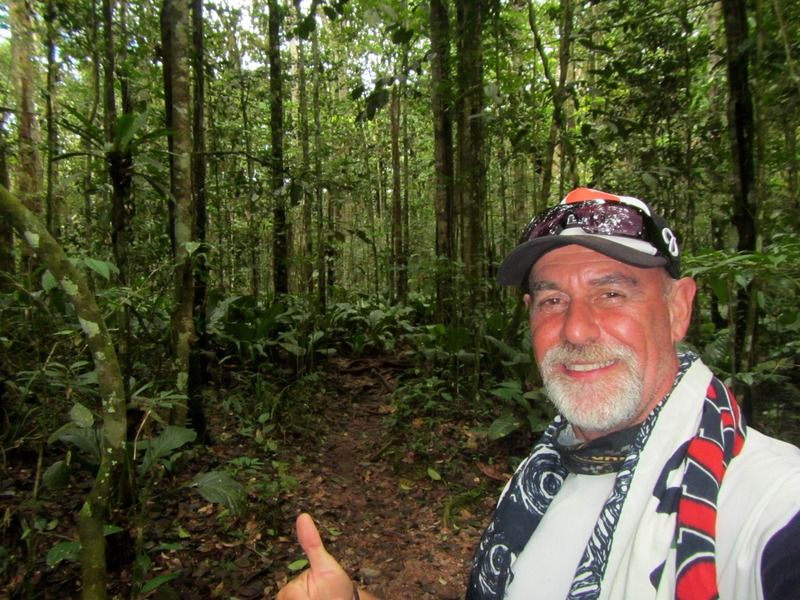
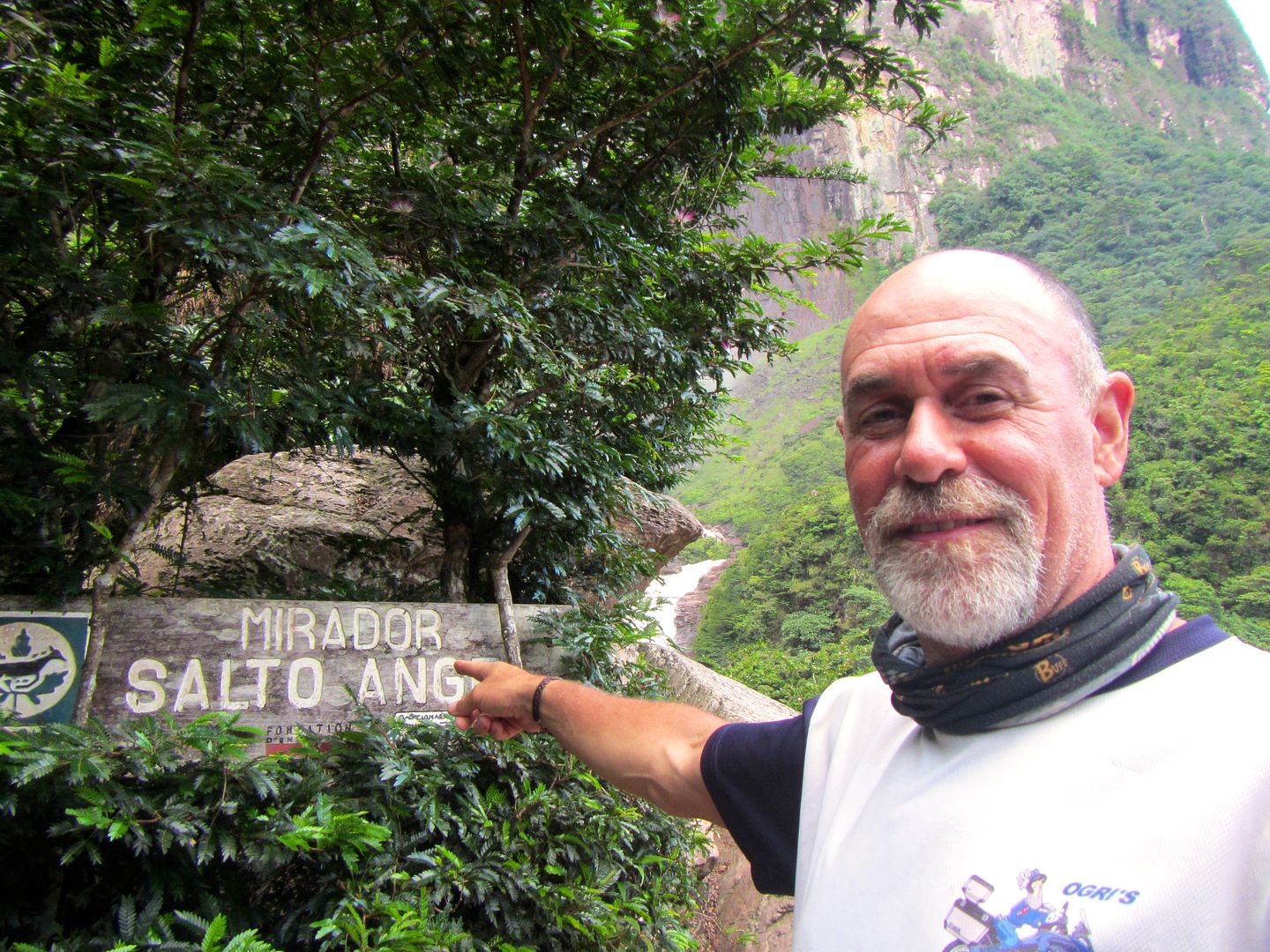
The path became rocky and entwined with an impossible mass of roots as we picked our way slowly forward. Halfway in the incline started as we climbed several hundred metres over rocks and tree roots, the barely detectable path winding through the darkness of the forest and the thundering sound of the falls becoming louder with every step. Up, up, up until as if by magic a hole opened up on the right in the vegetation with a large rock perched on the edge of the cliff. An old weathered sign read ‘Salto Angel Mirador’ as I climbed onto the rock and had my first real view of the majestic falls. 
What a sight. Stretching high into the sky to the top of the Auyantepu Plateau where recent rains had increased the flow, creating two flow points from the heights.
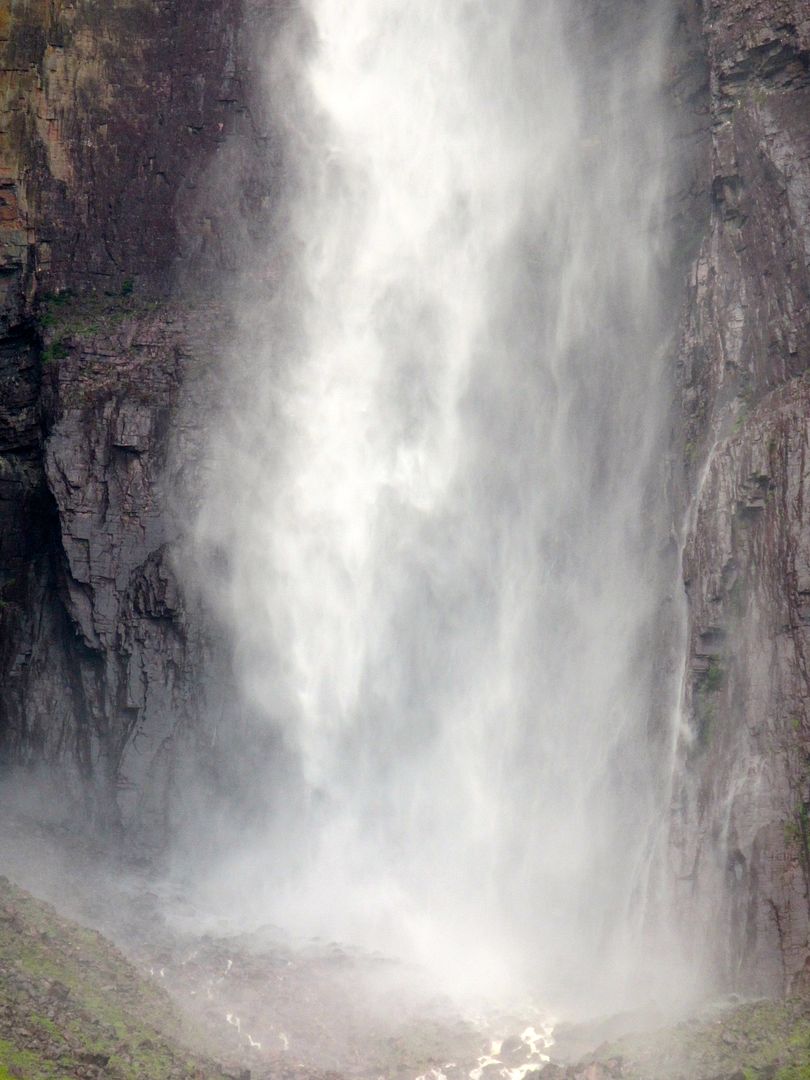
The incredible distance that the water needs to fall causes it to vaporise spreading wide, balls of vapour playing games of swirl and hide, the differing weight of vapour balls causing beautiful patterns and making the falls look like they are alive. At the base, the vapour lands over a wide area where it quickly joins into larger drops that develop into a raging torrent, flowing a few hundred metres to a powerful 15m high cascade into a pool, before thundering its way down to the river below. It is a mesmerising sight, one that I know I am privileged to see and a place that few people will ever have the opportunity to visit in their life. I sat and stared and meditated on this ancient hub of energy unable to imagine how many lives of men have passed while water drops continually to feed the river below. In 1937 when Jimmy Angel crashed his plane on the plateau above it must have been a life changing event, finding these falls that bear his name, a natural wonder that eclipses any engineering feat we cleverly build in this modern age.
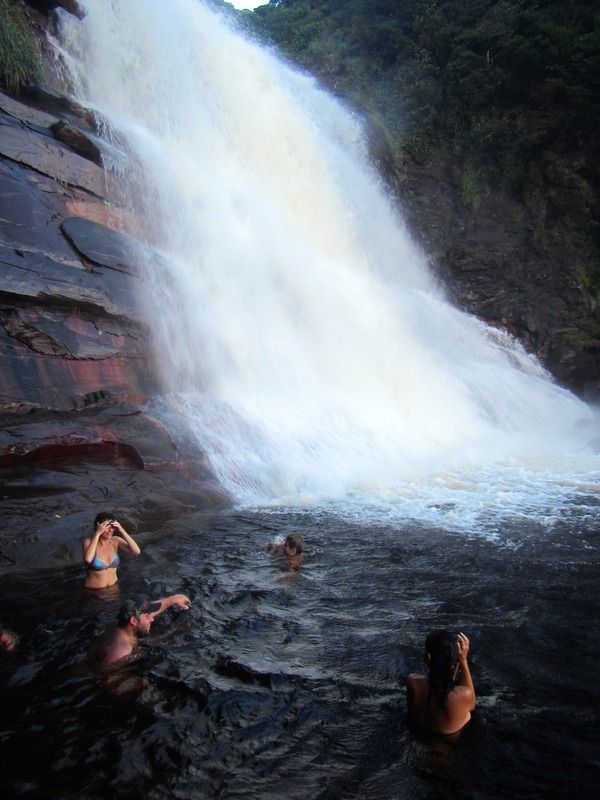
 Many photos and oohs and aahs later we walked down to the pool below the 15m falls and swam in the dark cold water, feeling the ancient planet’s energy in liquid form, refreshing us after a long day of travel. 
Eventually we made our way back to camp where our guide Carlos and his two boat handlers cooked us a basic meal of chicken, vegetables and rice.
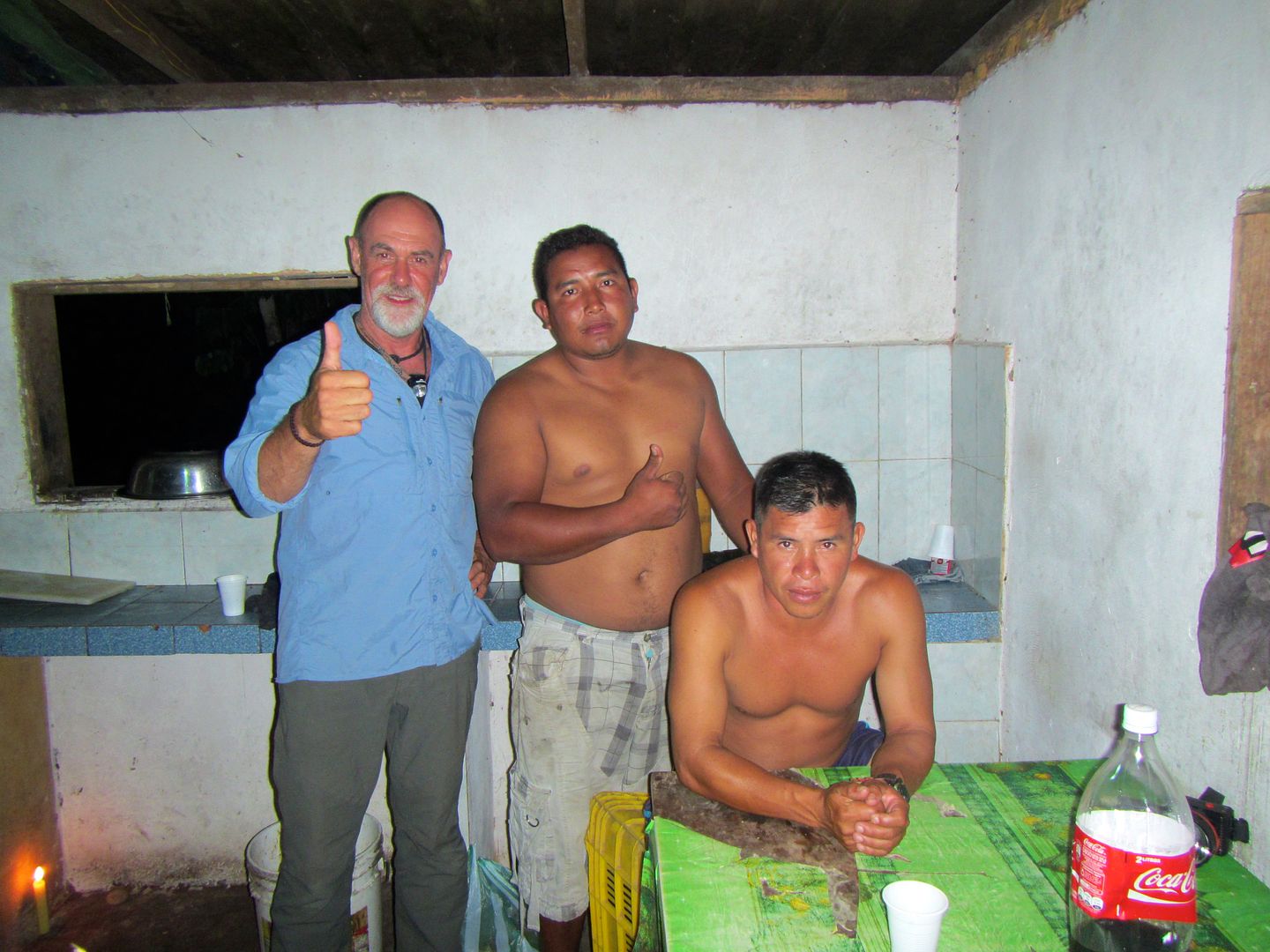
I sat and had a couple of rums with the guides and tried to explain that my family were living in Australia where the time was 16 hours ahead, a mind-blowing concept to men who have never been out of their village, let alone country or continent. It was funny watching their faces while describing the concept with a piece of round fruit and a torch.
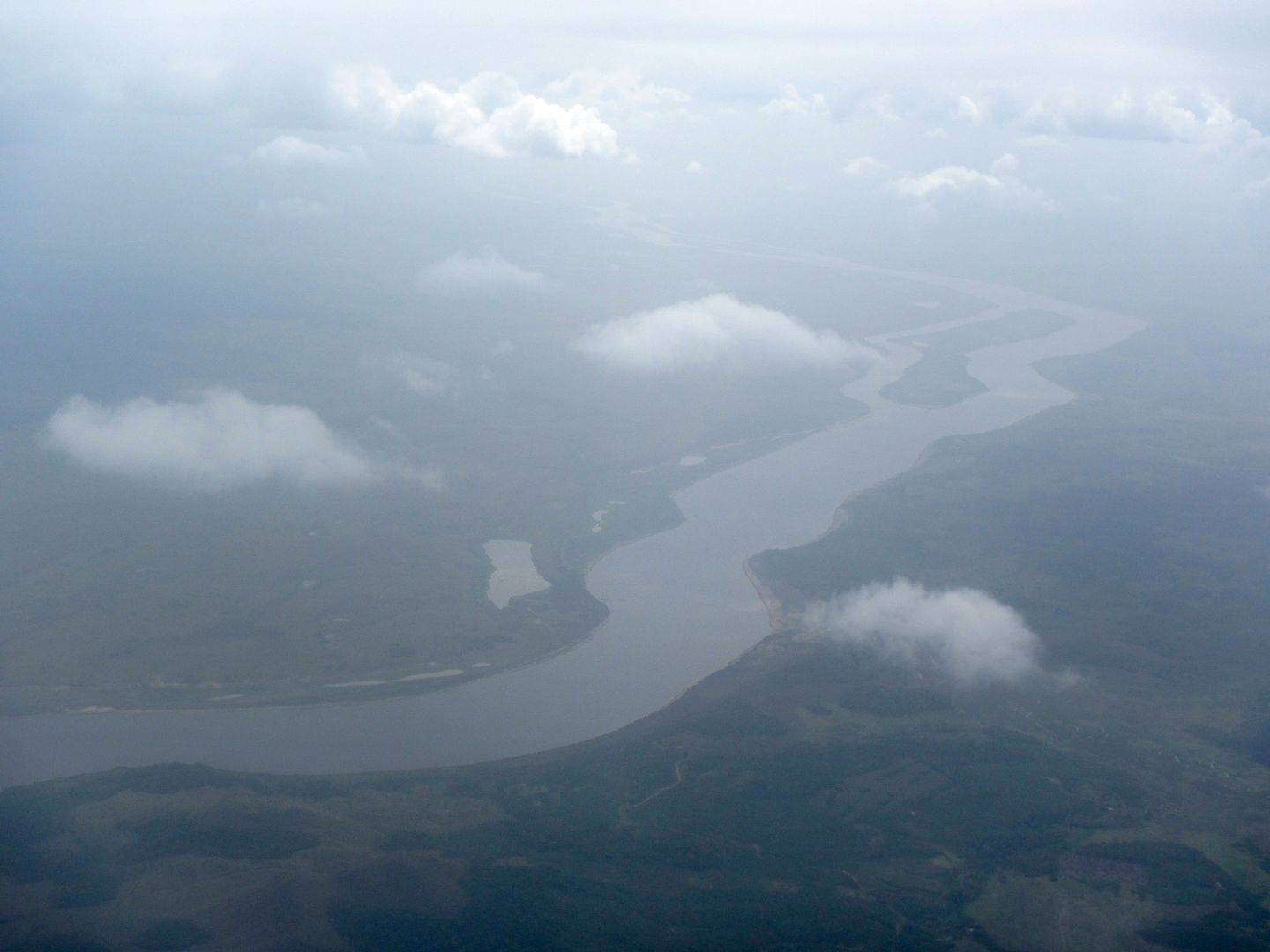
I peaceful night in the jungle, swinging in the hammock and it was time for a quick breakfast, packing up and back in the boat for the downstream return trip. Riding the rapids of the now clearly shallower river was fun and the skills of the driver apparent. The beautiful lush jungle with tepui mountains still filling our senses as the adventure wound into the plains and along the last stretches of river to the starting point in Canaima. 
As if scripted, a small Cessna plane flew some thirty or forty metres above the boat heading up the river, giving a dangerous and illegal thrill to the occupants, an experience I was to go through myself later that day.
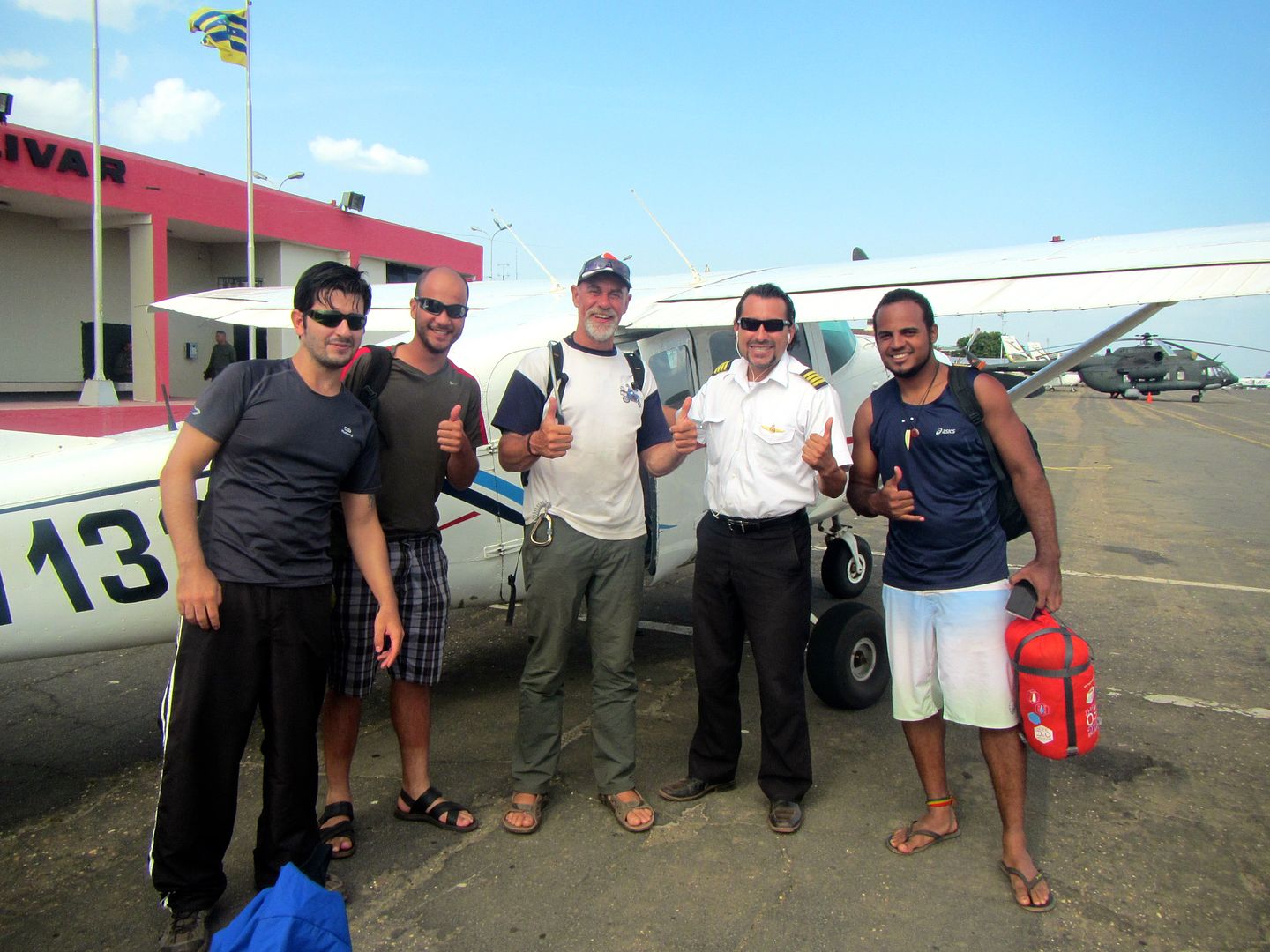
 A couple of hours later I was at the airport climbing into a tiny 6-seater Cessna that flew some ten or twenty metres above the Canaima Falls before tracking along the river in the manner we had seen previously today, the wings below the tree canopy, it was exciting and crazy but all five passengers had big smiles and wide eyes until we eventually climbed to 8000 feet and flew for an hour back to Ciudad Bolivar.